
FEATURE ARTICLE
The Language of Flowers: Discover the Meaning Behind Popular Blooms
Jul 8, 2026
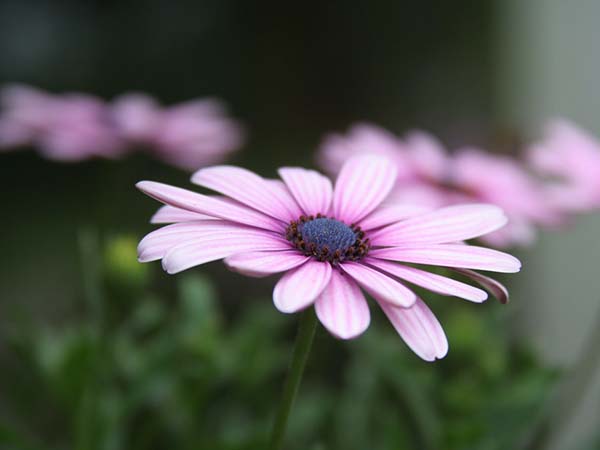
Nature has always found beautiful ways to communicate, and few expressions are as timeless as the language of flowers. Beyond their vibrant colors, delicate petals, and captivating fragrances, flowers have carried symbolic meanings for centuries across cultures and traditions.
Whether celebrating life's milestones, expressing sympathy, showing gratitude, or sharing affection, flowers often communicate emotions that words alone cannot. Understanding the meanings behind popular blooms can help you choose the perfect arrangement for any occasion and add a thoughtful, personal touch to every gift.
A Blossoming History: The Origins of Floral Symbolism
The practice of assigning meanings to flowers, known as floriography, dates back thousands of years. Ancient civilizations, including the Greeks, Romans, Egyptians, and Chinese, associated specific flowers with mythology, religion, and important life events.
Floriography reached its peak during the Victorian era when strict social customs limited open expressions of emotion. Carefully selected flowers became a discreet way to communicate love, admiration, friendship, regret, or even rejection. Every bouquet carried a hidden message, and recipients often understood the sentiment without a single spoken word.
Today, while communication has evolved, floral symbolism continues to influence everything from weddings and anniversaries to sympathy arrangements and everyday gift-giving.
A Kaleidoscope of Symbolism: Popular Flowers and Their Meanings
Flower symbolism varies widely across cultures, making it even more fascinating.
Peonies are treasured in China as symbols of prosperity, honor, romance, and good fortune. Marigolds play an important role during Mexico's Day of the Dead celebrations, where they are believed to help guide the spirits of loved ones.
Lotus flowers represent purity, enlightenment, and spiritual growth throughout many Asian cultures. Lavender has long symbolized serenity, healing, and calm in many European traditions.
Understanding these cultural meanings can help you choose flowers that are both beautiful and culturally meaningful when celebrating diverse traditions.
Choosing Flowers with Purpose
Selecting flowers based on their symbolism can make any bouquet more personal and memorable.
Consider these thoughtful pairings:
Flowers in Today's World
Although the Victorian language of flowers originated centuries ago, it remains remarkably relevant. Florists, event planners, and gift-givers continue to use floral symbolism when designing bouquets for weddings, birthdays, graduations, anniversaries, memorials, and corporate events.
Social media has also introduced a modern twist. Floral emojis, digital greeting cards, and virtual bouquets allow people to share thoughtful sentiments instantly while still embracing the timeless meanings behind their favorite blooms.
Let Flowers Tell Your Story
Flowers are more than beautiful decorations—they are enduring symbols of emotion, tradition, and human connection. Their meanings have crossed generations and cultures, making them one of the most heartfelt ways to celebrate life's happiest moments and offer comfort during difficult times.
The next time you give or receive flowers, take a moment to appreciate the story each bloom tells. Understanding the language of flowers transforms an ordinary bouquet into a meaningful expression that speaks directly from the heart.
Whether celebrating life's milestones, expressing sympathy, showing gratitude, or sharing affection, flowers often communicate emotions that words alone cannot. Understanding the meanings behind popular blooms can help you choose the perfect arrangement for any occasion and add a thoughtful, personal touch to every gift.
A Blossoming History: The Origins of Floral Symbolism
The practice of assigning meanings to flowers, known as floriography, dates back thousands of years. Ancient civilizations, including the Greeks, Romans, Egyptians, and Chinese, associated specific flowers with mythology, religion, and important life events.
Floriography reached its peak during the Victorian era when strict social customs limited open expressions of emotion. Carefully selected flowers became a discreet way to communicate love, admiration, friendship, regret, or even rejection. Every bouquet carried a hidden message, and recipients often understood the sentiment without a single spoken word.
Today, while communication has evolved, floral symbolism continues to influence everything from weddings and anniversaries to sympathy arrangements and everyday gift-giving.
A Kaleidoscope of Symbolism: Popular Flowers and Their Meanings
-
Roses
Perhaps the world's most recognizable symbolic flower, roses represent love, beauty, and deep emotion. Different colors carry unique meanings:- Red: Romantic love and passion
- White: Purity, innocence, and remembrance
- Pink: Gratitude, admiration, and appreciation
- Yellow: Friendship, joy, and happiness
- Orange: Enthusiasm and fascination
- Lavender: Enchantment and love at first sight
-
Lilies
Elegant and graceful, lilies symbolize renewal, hope, and devotion. Their meanings often vary by color:- White lilies: Purity, sympathy, and peace
- Orange lilies: Confidence, energy, and passion
- Pink lilies: Prosperity and admiration
-
Tulips
Tulips are classic symbols of perfect love and enduring affection. Their cheerful appearance also makes them popular spring flowers.- Red: True love
- Purple: Royalty and admiration
- Yellow: Happiness and cheerful thoughts
- White: Forgiveness and respect
-
Daisies
Simple yet charming, daisies symbolize innocence, loyalty, optimism, and new beginnings. They are often chosen for celebrations, baby showers, and occasions that honor fresh starts. -
Orchids
Known for their exotic beauty, orchids represent elegance, strength, luxury, and admiration. They also symbolize fertility, abundance, and success, making them thoughtful gifts for milestone celebrations and professional achievements. -
Carnations
Carnations remain one of the most versatile flowers due to their rich symbolism.- White: Pure love and good luck
- Pink: A mother's enduring love and gratitude
- Red: Admiration and affection
- Striped: Regret or disappointment
- Purple: Capriciousness or unpredictability
-
Sunflowers
Bright and uplifting, sunflowers symbolize happiness, optimism, loyalty, and resilience. Their ability to follow the sun has also made them symbols of hope, positivity, and unwavering devotion. -
Cherry Blossoms
Known as sakura in Japan, cherry blossoms remind us of the beauty and fleeting nature of life. Their brief blooming season encourages appreciation of the present moment while celebrating renewal and fresh beginnings.
Flower symbolism varies widely across cultures, making it even more fascinating.
Peonies are treasured in China as symbols of prosperity, honor, romance, and good fortune. Marigolds play an important role during Mexico's Day of the Dead celebrations, where they are believed to help guide the spirits of loved ones.
Lotus flowers represent purity, enlightenment, and spiritual growth throughout many Asian cultures. Lavender has long symbolized serenity, healing, and calm in many European traditions.
Understanding these cultural meanings can help you choose flowers that are both beautiful and culturally meaningful when celebrating diverse traditions.
Choosing Flowers with Purpose
Selecting flowers based on their symbolism can make any bouquet more personal and memorable.
Consider these thoughtful pairings:
- Anniversaries: Red roses or tulips
- Friendship: Yellow roses or sunflowers
- Graduations: Orchids or lilies
- Sympathy: White lilies or white roses
- Mother's Day: Pink carnations
- New beginnings: Daisies or cherry blossoms
Flowers in Today's World
Although the Victorian language of flowers originated centuries ago, it remains remarkably relevant. Florists, event planners, and gift-givers continue to use floral symbolism when designing bouquets for weddings, birthdays, graduations, anniversaries, memorials, and corporate events.
Social media has also introduced a modern twist. Floral emojis, digital greeting cards, and virtual bouquets allow people to share thoughtful sentiments instantly while still embracing the timeless meanings behind their favorite blooms.
Let Flowers Tell Your Story
Flowers are more than beautiful decorations—they are enduring symbols of emotion, tradition, and human connection. Their meanings have crossed generations and cultures, making them one of the most heartfelt ways to celebrate life's happiest moments and offer comfort during difficult times.
The next time you give or receive flowers, take a moment to appreciate the story each bloom tells. Understanding the language of flowers transforms an ordinary bouquet into a meaningful expression that speaks directly from the heart.