
FEATURE ARTICLE
How to Fix Slippery Car Floor Mats and Improve Driving Safety
Jul 8, 2026
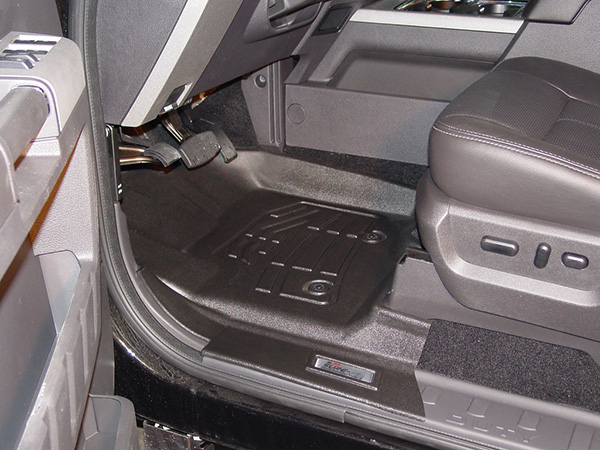
Slippery car floor mats are more than just an inconvenience—they can create a serious safety risk. A floor mat that slides out of position can interfere with your ability to operate the accelerator, brake, or clutch safely. Whether your mats are shifting across the floor or simply feel slick underfoot, addressing the problem promptly can help create a safer and more comfortable driving experience.
Fortunately, there are several simple and effective ways to restore traction, secure your mats, and reduce the risk of accidents.
Fortunately, there are several simple and effective ways to restore traction, secure your mats, and reduce the risk of accidents.
-
Clean and Maintain Your Floor Mats
One of the most common causes of slippery floor mats is the buildup of dirt, mud, grease, road salt, and other contaminants. As these materials accumulate, they reduce traction and make the mat surface slick.
Follow these cleaning steps:-
Remove the floor mats.
Take the mats out of your vehicle before cleaning to avoid getting moisture or cleaning products on the carpet. -
Shake off loose debris.
Remove dirt, gravel, leaves, and other loose particles by shaking the mats thoroughly. -
Vacuum thoroughly.
Use a vacuum with a brush or crevice attachment to remove embedded dirt from textured surfaces. -
Wash with a mild cleaner.
Mix warm water with a gentle detergent or automotive interior cleaner. Avoid harsh chemicals or bleach, which may damage rubber, vinyl, or carpeted mats. -
Scrub carefully.
Use a soft-bristle brush to clean stubborn stains and restore the mat's textured surface without causing unnecessary wear. -
Rinse and dry completely.
Rinse away any soap residue and allow the mats to air dry fully before reinstalling them. Installing damp mats can encourage mold, mildew, and unpleasant odors.
-
Remove the floor mats.
-
Add an Anti-Slip Backing
If the mats slide across the vehicle floor, adding an anti-slip backing can significantly improve stability.
Common options include:- Rubber gripper pads
- Non-slip rug grippers
- Automotive anti-skid matting
- Universal anti-slip mesh liners
- Measure each floor mat.
- Cut the anti-slip material to fit.
- Place it underneath the mat, covering as much of the surface as possible.
- Reinstall the mat and verify that it remains securely in place during normal use.
-
Check the Factory Retention Clips
Many modern vehicles include floor mat retention hooks or locking clips that keep mats from sliding forward while driving. Unfortunately, these clips are sometimes broken, missing, or simply not engaged after cleaning.
Inspect your vehicle to ensure:- The floor mat is correctly aligned.
- Retention hooks are fully engaged.
- Damaged clips are replaced promptly.
- Aftermarket mats are compatible with your vehicle's retention system.
-
Upgrade to Custom-Fit Floor Mats
If your original mats are worn, stretched, or no longer fit properly, replacing them with custom-fit floor mats may be the best long-term solution.
Custom-fit mats are designed specifically for your vehicle's make and model, providing:- Better coverage
- Improved traction
- Built-in retention compatibility
- Reduced movement during driving
-
Inspect Mats Regularly
Even well-maintained mats wear out over time. Regular inspections can help identify problems before they become safety hazards.
Look for:- Worn or smooth surfaces
- Torn edges
- Cracked rubber
- Curling corners
- Broken retention holes
- Excessive movement while driving
-
Avoid Stacking Floor Mats
One commonly overlooked mistake is placing one floor mat on top of another. Stacked mats can slide independently and may interfere with pedal movement.
For maximum safety:- Use only one properly fitted driver's side floor mat.
- Never place universal mats over factory-installed mats.
- Verify that the mat cannot move into the pedal area before driving.
- Drive Safer with Secure Floor Mats