
Stay Safe First
Severe weather can strike suddenly, damaging your vehicle in various ways—hail, floods, strong winds, falling trees, snow, or hurricanes. Your safety is the top priority. Before leaving your vehicle, check for dangers like downed power lines, flooding, debris, or unstable trees. Avoid driving through floodwaters, even shallow ones, to prevent getting stuck or causing further hazards.
Assess and Document the Damage
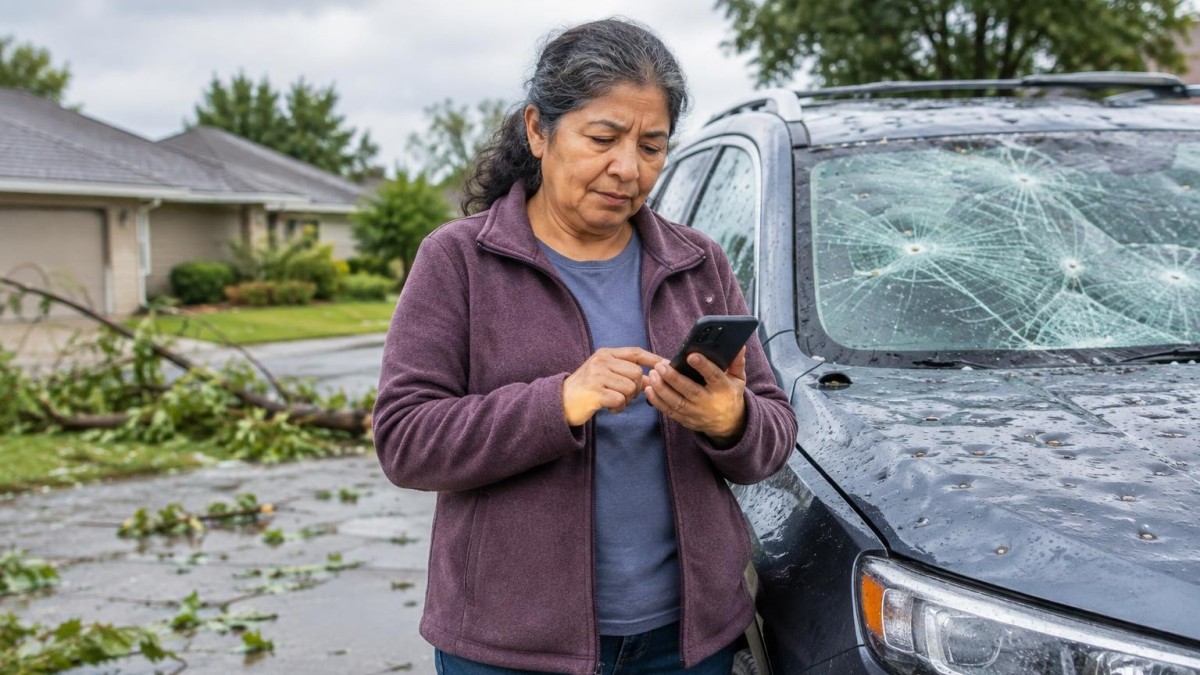
Once it's safe, carefully inspect your vehicle for damage. Take clear photos and videos from multiple angles to capture dents, broken windows, flooded interiors, tire damage, and surrounding hazards that contributed to the incident. This evidence will support insurance claims and repairs.
Also look for less obvious problems, like water inside the cabin, unusual odors, fluid leaks, warning lights on your dashboard, strange noises, or issues with steering and brakes. If your vehicle was flooded, don’t start it before a qualified mechanic checks it; starting can cause severe engine damage.
Contact Your Insurance and Arrange Inspections
Report the damage to your insurance company promptly. Many providers offer easy online or mobile app claim filing. Be ready to give details about the event, share your photos, and provide any police or incident reports. Your insurer will guide you on next steps, coverage specifics, and deductible information.
Schedule a professional inspection as soon as you can, whether through your insurer’s recommended repair shops or an adjuster’s assessment. This step ensures hidden damage won’t be overlooked and helps speed up your claim and repairs.
Take Temporary Actions to Protect Your Vehicle
Until permanent repairs can be made, take reasonable measures to avoid further damage. This might include covering broken windows with plastic sheeting, removing standing water from inside, securing loose parts, or moving the car to a sheltered area. Keep receipts for any temporary fixes or emergency purchases, since some costs may be reimbursed.
Plan Ahead to Minimize Future Damage
While no car is completely safe from severe weather, you can reduce risks by parking in garages or covered spots, watching weather updates, relocating your vehicle away from large trees during storms, and avoiding driving in dangerous conditions. Review your insurance policy to confirm you have comprehensive protection for weather-related damages.
Severe weather damage can be stressful, but acting quickly and thoughtfully helps protect your investment and gets you back on the road with fewer headaches.
Newsletter Station provides professionally written, ready-to-send newsletters customized for your market and brand.
EXPLORE NEWSLETTER OPTIONS