
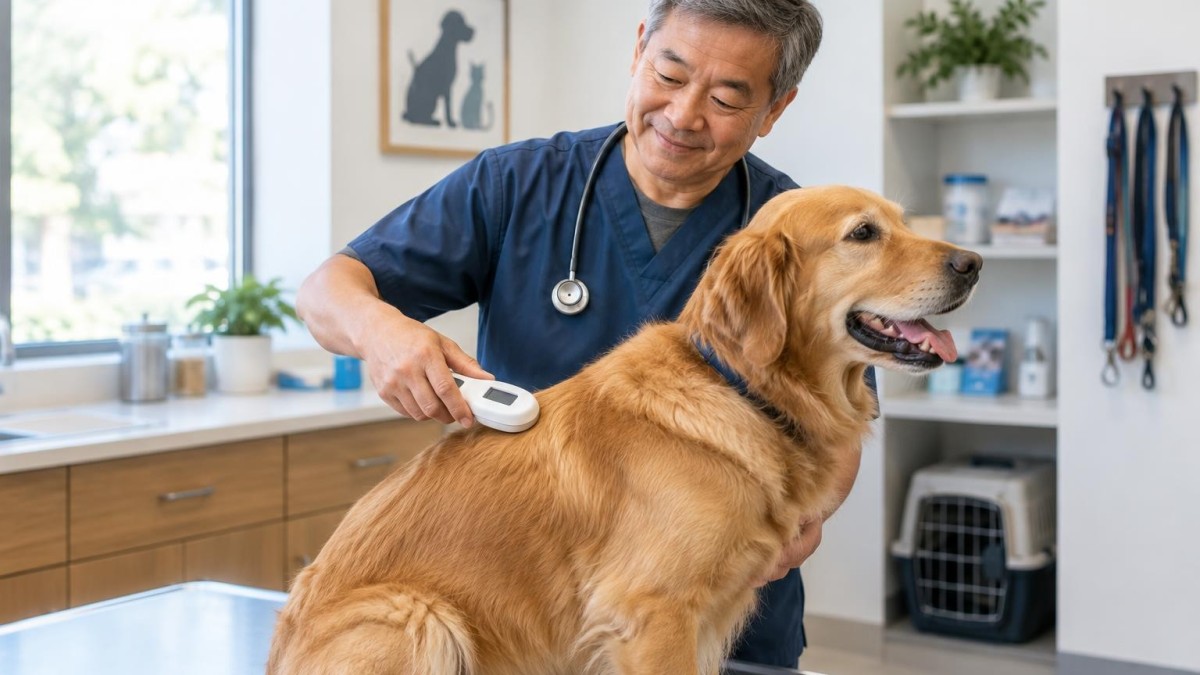
What is Microchipping and How Does It Work?
Microchipping your pet involves implanting a tiny, rice-sized electronic chip just beneath their skin, usually between the shoulder blades. This quick and safe procedure is similar to getting a vaccination and doesn’t require anesthesia. Each chip carries a unique ID number linked to a secure database containing your contact information. When a lost pet is found and scanned at a shelter or vet’s office, the ID connects the pet back to you, even if their collar or tags are missing.
Why Microchipping Is Essential for Your Pet’s Safety
Collars and ID tags are helpful but can fail — they might break, get lost, or become unreadable. A microchip, by contrast, is a permanent form of identification that stays with your pet for life, dramatically increasing the chance your furry friend will be returned to you if lost. Studies consistently show microchipped pets have far higher reunion rates with their owners compared to those without.
This small device needs no batteries or upkeep and remains safely under the skin, providing reliable identification at any time it’s scanned. It offers pet owners real peace of mind knowing that, in the event your pet wanders off or gets separated, there’s an extra reliable way to help bring them home.
When and How to Microchip Your Pet
The best time to microchip is as early as possible. Many shelters and breeders implant microchips before pet adoption. If you’re getting a new pet that isn’t microchipped yet, schedule the procedure promptly to ensure their protection starts right away. Vets often recommend implanting the microchip during spay or neuter surgeries to reduce stress and make the process easier, but it can be done at any routine veterinary visit — even for adult pets.
Traveling or moving to a new home can increase the chances your pet may get lost, so check your pet’s microchip registration is current before these life changes. It’s also smart to have your vet scan your pet’s microchip during regular wellness exams to confirm it’s readable and your information is up to date.
Microchips and ID Tags Work Together
Microchipping doesn’t replace collars and tags but complements them. Tags allow someone who finds your pet to reach you quickly, while microchips provide a permanent backup if tags are lost or damaged. Using both forms of identification gives your pet the best chance of a safe and speedy return.
Taking the simple step to microchip your pet is a small investment that can make a huge difference. Along with regular vet care and proper identification, it’s a practical way to protect your furry family member and ensure your bond stays strong no matter what happens.
Newsletter Station provides professionally written, ready-to-send newsletters customized for your market and brand.
EXPLORE NEWSLETTER OPTIONS