
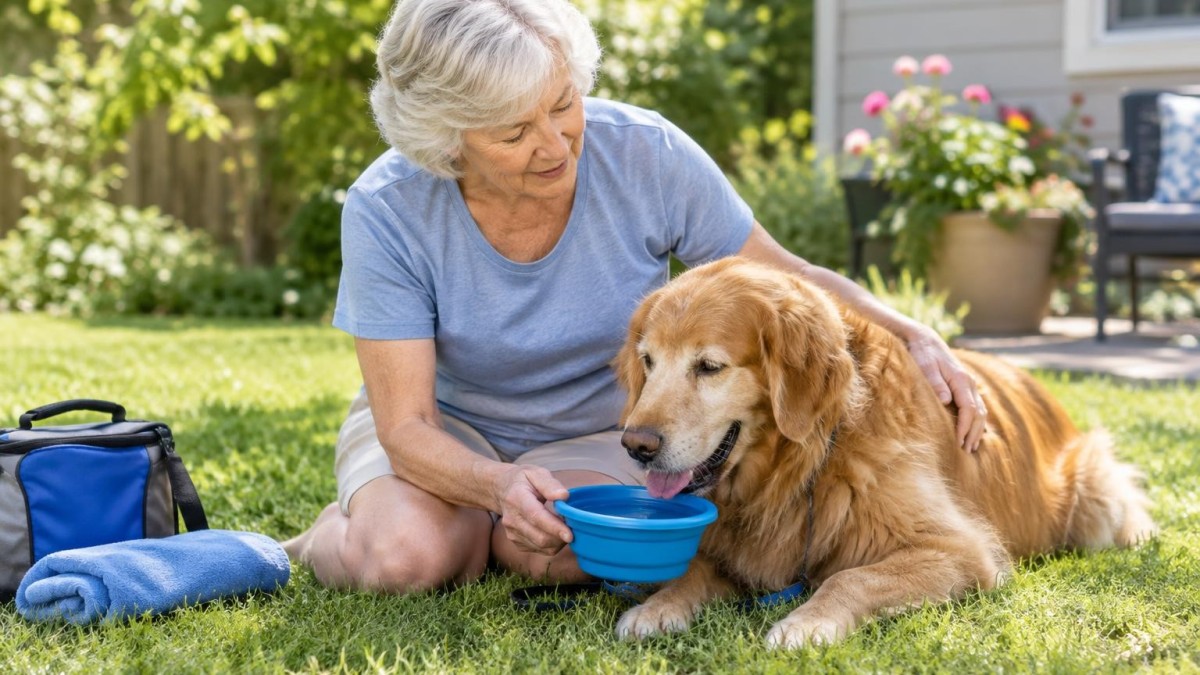
Understanding Heat Exhaustion in Pets
As temperatures rise, pets are at risk of heat exhaustion when their bodies cannot cool down effectively. Unlike humans, dogs cool primarily by panting, while cats rely on grooming and limited sweating through their paws. When these methods aren’t enough, overheating can lead to serious health issues, including potentially fatal heatstroke.
Certain pets are especially vulnerable, including puppies and kittens, senior animals, flat-faced breeds like Bulldogs and Persians, overweight pets, and those with heart or respiratory problems.
Identifying the Warning Signs
Spotting heat exhaustion early can be life-saving. Watch for heavy panting and drooling, which often signal temperature struggles. Rapid heartbeat and quick, shallow breaths show your pet’s body working hard to cool off. Lethargy, weakness, or reluctance to move are common red flags.
Additional symptoms include vomiting, diarrhea, and changes in gum color—gums that are very red, pale, or bluish require immediate vet attention. Severe signs like dizziness, disorientation, stumbling, or collapse indicate advancing heat stress and need emergency care.
Tips to Prevent Overheating
Fortunately, you can reduce the risk of heat exhaustion with simple steps. Always provide plenty of fresh, cool water and consider carrying a portable bowl on outings. Schedule exercise during cooler parts of the day, such as early mornings or evenings, and avoid walking pets on hot pavement to protect their paws.
Make sure your pet has access to shade and well-ventilated, cool resting spots, whether indoors or outside. Never leave pets unattended in parked cars, where temperatures can spike dangerously within minutes. Cooling mats, damp towels, or specially designed cooling gear can help regulate body temperature—just avoid direct ice contact.
Regular grooming helps remove excess fur and improves air circulation, but consult your vet before shaving breeds with thick or double coats.
Immediate Actions if Heat Exhaustion Occurs
If you notice signs of overheating, move your pet to a cooler area immediately. Offer small amounts of cool (not icy) water and gently cool them with damp towels on their neck, chest, and paws. Contact your veterinarian right away, even if your pet seems to recover, since timely treatment is critical.
By recognizing heat exhaustion symptoms early, taking preventive measures, and responding swiftly, you can protect your furry friends and ensure they stay safe and comfortable during the hottest months.
Newsletter Station provides professionally written, ready-to-send newsletters customized for your market and brand.
EXPLORE NEWSLETTER OPTIONS