
FEATURE ARTICLE
How Far Apart Should You Plant Trees? A Guide to Proper Tree Spacing
Jul 8, 2026
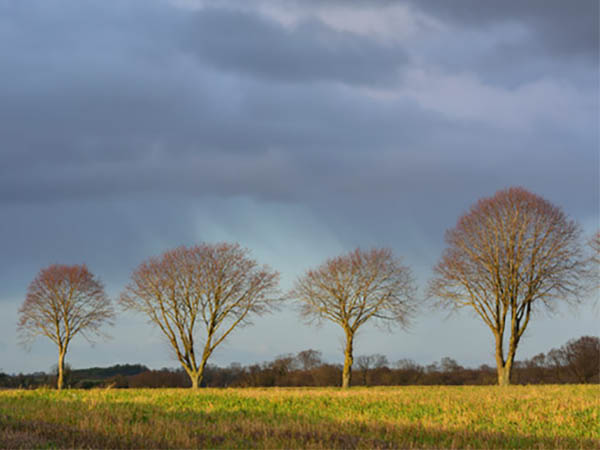
Planting trees is one of the best investments you can make for your property and the environment. Trees improve air quality, provide cooling shade, reduce stormwater runoff, increase property value, support wildlife, and create beautiful outdoor spaces that can be enjoyed for generations.
However, one of the most important decisions when planting trees often receives the least attention: proper spacing. Giving trees enough room to mature helps them develop healthy root systems, strong branch structures, and full canopies while reducing future maintenance problems.
Whether you're planting a single ornamental tree or creating a backyard woodland, understanding proper tree spacing will help ensure long-term success.
Why Tree Spacing Matters
Tree spacing refers to the distance between individual trees at the time of planting. While young trees may appear small and far apart, they will continue growing for decades.
Planting trees too closely together can lead to:
Finding the right spacing allows each tree to thrive while contributing to a healthy landscape.
Know Your Tree's Mature Size
One of the biggest mistakes homeowners make is planting based on a tree's current size rather than its mature dimensions.
Before planting, research:
Consider Environmental Conditions
Every landscape is unique, and local conditions should influence your planting plan.
Factors to evaluate include:
Soil Quality
Healthy, well-drained soil encourages stronger root development. Poor soils may require wider spacing if trees must compete for limited nutrients.
Water Availability
In dry climates, additional spacing allows each tree better access to available moisture. In regions with regular rainfall, trees may tolerate slightly closer spacing.
Sunlight
Most shade trees perform best with adequate sunlight throughout the day. Proper spacing prevents overcrowding and ensures each tree receives sufficient light.
Wind Exposure
In windy locations, thoughtful spacing helps trees develop stronger trunks while reducing branch interference as they mature.
Match Spacing to Your Landscaping Goals
Your planting objectives should also determine how far apart to plant trees.
Shade Trees
If your goal is to create cooling shade around your home or patio, plant trees close enough that their mature canopies will eventually overlap slightly without competing excessively.
Privacy Screens
Evergreens used for privacy are often planted closer together than shade trees. Following the recommended spacing for each species creates an effective screen while maintaining healthy growth.
Natural Woodlands
If you're establishing a woodland or wildlife habitat, varying the spacing creates a more natural appearance while supporting biodiversity.
Ornamental Landscapes
Decorative trees often benefit from additional space so their unique branching patterns and seasonal color can become focal points within the landscape.
Plan for Future Growth
One of the easiest ways to avoid expensive landscaping mistakes is to think 10, 20, or even 30 years ahead.
Remember to account for:
Don't Forget Underground Utilities
Before digging, always contact your local utility locating service to mark underground gas, electric, water, communication, and sewer lines.
Knowing what's below the surface protects both your property and essential infrastructure while helping you select the safest planting location.
Consult a Tree Care Professional
If you're unsure about species selection or spacing, consider working with a certified arborist or local landscaping professional.
They can recommend:
Plant Today for a Healthier Tomorrow
Thoughtful tree spacing is one of the most important steps in creating a healthy, attractive landscape. By considering mature tree size, environmental conditions, planting goals, and future growth, you can establish trees that flourish for decades with fewer maintenance challenges.
A well-planned landscape not only enhances curb appeal but also provides lasting environmental benefits, from cleaner air and cooler outdoor spaces to improved wildlife habitat. Taking the time to plant trees correctly today will reward you with stronger, healthier trees for generations to come.
However, one of the most important decisions when planting trees often receives the least attention: proper spacing. Giving trees enough room to mature helps them develop healthy root systems, strong branch structures, and full canopies while reducing future maintenance problems.
Whether you're planting a single ornamental tree or creating a backyard woodland, understanding proper tree spacing will help ensure long-term success.
Why Tree Spacing Matters
Tree spacing refers to the distance between individual trees at the time of planting. While young trees may appear small and far apart, they will continue growing for decades.
Planting trees too closely together can lead to:
- Competition for sunlight
- Reduced airflow
- Limited access to water and nutrients
- Increased risk of fungal diseases
- Greater vulnerability to insect infestations
- Weak or uneven growth
Finding the right spacing allows each tree to thrive while contributing to a healthy landscape.
Know Your Tree's Mature Size
One of the biggest mistakes homeowners make is planting based on a tree's current size rather than its mature dimensions.
Before planting, research:
- Mature height
- Mature canopy width
- Root spread
- Growth rate
- Sunlight requirements
- Small ornamental trees: 10–20 feet apart
- Medium-sized shade trees: 20–30 feet apart
- Large shade trees: 30–50 feet apart or more
Consider Environmental Conditions
Every landscape is unique, and local conditions should influence your planting plan.
Factors to evaluate include:
Soil Quality
Healthy, well-drained soil encourages stronger root development. Poor soils may require wider spacing if trees must compete for limited nutrients.
Water Availability
In dry climates, additional spacing allows each tree better access to available moisture. In regions with regular rainfall, trees may tolerate slightly closer spacing.
Sunlight
Most shade trees perform best with adequate sunlight throughout the day. Proper spacing prevents overcrowding and ensures each tree receives sufficient light.
Wind Exposure
In windy locations, thoughtful spacing helps trees develop stronger trunks while reducing branch interference as they mature.
Match Spacing to Your Landscaping Goals
Your planting objectives should also determine how far apart to plant trees.
Shade Trees
If your goal is to create cooling shade around your home or patio, plant trees close enough that their mature canopies will eventually overlap slightly without competing excessively.
Privacy Screens
Evergreens used for privacy are often planted closer together than shade trees. Following the recommended spacing for each species creates an effective screen while maintaining healthy growth.
Natural Woodlands
If you're establishing a woodland or wildlife habitat, varying the spacing creates a more natural appearance while supporting biodiversity.
Ornamental Landscapes
Decorative trees often benefit from additional space so their unique branching patterns and seasonal color can become focal points within the landscape.
Plan for Future Growth
One of the easiest ways to avoid expensive landscaping mistakes is to think 10, 20, or even 30 years ahead.
Remember to account for:
- Mature canopy spread
- Expanding root systems
- Nearby buildings
- Sidewalks and driveways
- Utility lines
- Underground pipes
- Neighboring properties
Don't Forget Underground Utilities
Before digging, always contact your local utility locating service to mark underground gas, electric, water, communication, and sewer lines.
Knowing what's below the surface protects both your property and essential infrastructure while helping you select the safest planting location.
Consult a Tree Care Professional
If you're unsure about species selection or spacing, consider working with a certified arborist or local landscaping professional.
They can recommend:
- Trees suited to your climate
- Proper planting distances
- Soil improvements
- Long-term maintenance strategies
- Native species that support local wildlife and pollinators
Plant Today for a Healthier Tomorrow
Thoughtful tree spacing is one of the most important steps in creating a healthy, attractive landscape. By considering mature tree size, environmental conditions, planting goals, and future growth, you can establish trees that flourish for decades with fewer maintenance challenges.
A well-planned landscape not only enhances curb appeal but also provides lasting environmental benefits, from cleaner air and cooler outdoor spaces to improved wildlife habitat. Taking the time to plant trees correctly today will reward you with stronger, healthier trees for generations to come.