
FEATURE ARTICLE
What to Do If You Think You're Having a Heart Attack
Jul 8, 2026
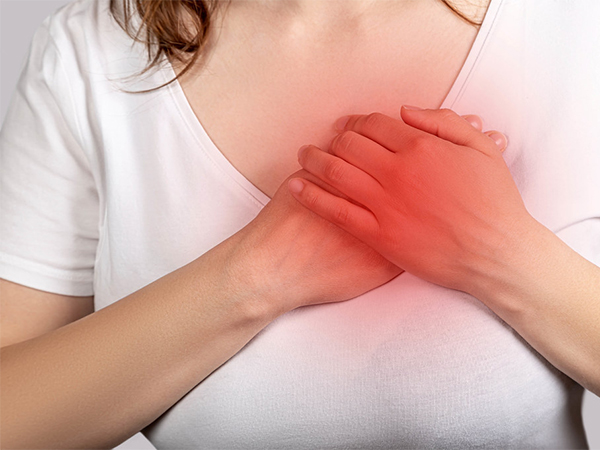
A heart attack is a life-threatening medical emergency that occurs when blood flow to part of the heart muscle is blocked, preventing oxygen from reaching the heart. Without prompt treatment, permanent heart damage can occur within minutes. Knowing the warning signs and taking immediate action can significantly improve the chances of survival and recovery.
Whether you're experiencing symptoms yourself or helping someone else, understanding what to do during a suspected heart attack could save a life.
Recognize the Warning Signs
Heart attack symptoms can vary from person to person. While chest pain is the most recognized symptom, not everyone experiences the same warning signs. Women, older adults, and people with diabetes may have less typical symptoms.
Common signs include:
Call Emergency Services Immediately
If you suspect a heart attack, call 911 (or your local emergency number) immediately.
Do not wait to see if the symptoms improve. Emergency medical professionals can begin treatment en route to the Hospital, greatly improving the chances of limiting heart damage.
The sooner blood flow is restored, the better the outcome.
Take Aspirin Only If Recommended
If emergency dispatchers or your healthcare provider advise it, chew one regular-strength (325 mg) or four low-dose (81 mg) aspirin tablets, provided you:
Stay Calm and Rest
While waiting for emergency responders:
Have Someone Stay With You
If possible, do not remain alone.
A family member, friend, coworker, or bystander can:
Never Drive Yourself to the Hospital
Unless there is absolutely no other option, never attempt to drive yourself if you believe you're having a heart attack.
Your condition can rapidly worsen, increasing the risk of losing consciousness behind the wheel and putting yourself and others in danger. Ambulance crews are equipped with medications, oxygen, monitoring equipment, and lifesaving treatments that begin before you reach the Hospital.
Know Your Risk Factors
While heart attacks can happen unexpectedly, understanding your risk factors can help you take preventive steps.
Common risk factors include:
A heart attack is always a medical emergency. Recognizing the warning signs, calling emergency services immediately, staying calm, and avoiding delays in treatment can save heart muscle—and save lives.
If you ever think you or someone nearby may be having a heart attack, don't ignore the symptoms or hope they'll pass. Fast action is the most important step toward a better outcome.
Whether you're experiencing symptoms yourself or helping someone else, understanding what to do during a suspected heart attack could save a life.
Recognize the Warning Signs
Heart attack symptoms can vary from person to person. While chest pain is the most recognized symptom, not everyone experiences the same warning signs. Women, older adults, and people with diabetes may have less typical symptoms.
Common signs include:
- Chest pain, pressure, tightness, or discomfort that lasts several minutes or comes and goes
- Pain or discomfort that spreads to the arms, shoulders, back, neck, jaw, or upper stomach
- Shortness of breath, even while resting
- Cold sweats
- Nausea or vomiting
- Lightheadedness, dizziness, or fainting
- Unusual fatigue, especially in women, which may begin hours or even days before a heart attack
Call Emergency Services Immediately
If you suspect a heart attack, call 911 (or your local emergency number) immediately.
Do not wait to see if the symptoms improve. Emergency medical professionals can begin treatment en route to the Hospital, greatly improving the chances of limiting heart damage.
The sooner blood flow is restored, the better the outcome.
Take Aspirin Only If Recommended
If emergency dispatchers or your healthcare provider advise it, chew one regular-strength (325 mg) or four low-dose (81 mg) aspirin tablets, provided you:
- Are not allergic to aspirin.
- Have not been told to avoid aspirin because of another medical condition.
- Are not experiencing signs of a stroke instead of a heart attack.
Stay Calm and Rest
While waiting for emergency responders:
- Sit or lie down in a comfortable position.
- Avoid walking or physical activity.
- Loosen tight clothing.
- Focus on slow, steady breathing if possible.
Have Someone Stay With You
If possible, do not remain alone.
A family member, friend, coworker, or bystander can:
- Monitor your symptoms.
- Unlock the door for emergency responders.
- Provide important medical information.
- Begin CPR if you lose consciousness and stop breathing.
Never Drive Yourself to the Hospital
Unless there is absolutely no other option, never attempt to drive yourself if you believe you're having a heart attack.
Your condition can rapidly worsen, increasing the risk of losing consciousness behind the wheel and putting yourself and others in danger. Ambulance crews are equipped with medications, oxygen, monitoring equipment, and lifesaving treatments that begin before you reach the Hospital.
Know Your Risk Factors
While heart attacks can happen unexpectedly, understanding your risk factors can help you take preventive steps.
Common risk factors include:
- High blood pressure
- High cholesterol
- Diabetes
- Smoking or tobacco use
- Obesity
- Physical inactivity
- Chronic stress
- Family history of heart disease
A heart attack is always a medical emergency. Recognizing the warning signs, calling emergency services immediately, staying calm, and avoiding delays in treatment can save heart muscle—and save lives.
If you ever think you or someone nearby may be having a heart attack, don't ignore the symptoms or hope they'll pass. Fast action is the most important step toward a better outcome.