
FEATURE ARTICLE
5 Reasons Why Every Gardener Should Test Their Soil
Jul 1, 2026
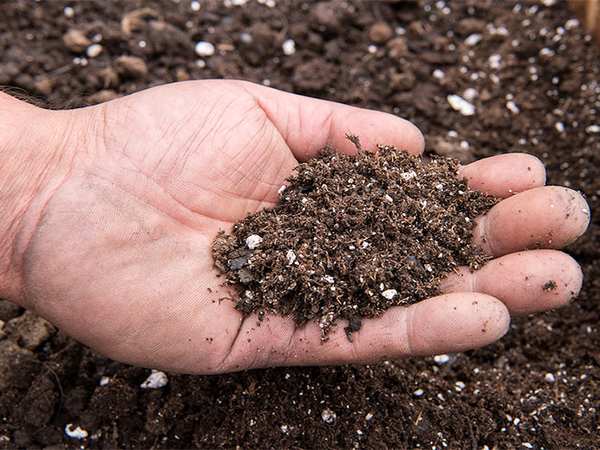
Healthy soil is the foundation of every thriving garden, landscape, or farm. Whether you're growing vegetables, flowers, shrubs, or a lush lawn, your plants depend on nutrient-rich, well-balanced soil to flourish. While it's tempting to guess what your soil needs, a professional soil test removes the uncertainty and provides valuable information that helps you grow healthier plants while saving time and money.
Here are five important reasons why testing your soil should be part of your regular gardening routine.
For most home gardens, testing the soil every two to three years is recommended. However, annual testing may be beneficial if you're growing vegetables, establishing new planting beds, or making significant soil amendments.
Testing before planting gives you time to make any necessary adjustments before the growing season begins.
Healthy Soil Creates Healthy Gardens
A soil test is one of the smartest investments you can make for your garden or landscape. By understanding your soil's nutrient levels, pH, and overall health, you can make informed decisions that lead to stronger plants, higher yields, and fewer gardening frustrations. Regular soil testing also helps reduce unnecessary fertilizer use, lowers gardening costs, and promotes environmentally responsible practices.
Healthy soil is the key to long-term gardening success. By making soil testing a regular part of your gardening routine, you'll create the ideal foundation for vibrant flowers, productive vegetable gardens, and beautiful landscapes year after year.
Here are five important reasons why testing your soil should be part of your regular gardening routine.
-
Customize Your Nutrient Management
Every plant requires the right balance of essential nutrients, including nitrogen, phosphorus, potassium, and various micronutrients, to grow strong and healthy.
A soil test identifies which nutrients are:- Deficient
- Sufficient
- Present in excess
-
Optimize Soil pH
Soil pH has a significant impact on how well plants absorb nutrients. Even nutrient-rich soil can limit plant growth if the pH falls outside the ideal range.
A soil test measures your soil's pH, allowing you to make adjustments when necessary.
For example:- Blueberries, azaleas, and rhododendrons prefer acidic soil.
- Many vegetables grow best in slightly acidic to neutral soil.
- Some ornamental plants thrive in more alkaline conditions.
-
Save Money on Fertilizers and Soil Amendments
Applying fertilizer without knowing what your soil actually needs often results in unnecessary expenses.
A soil test helps you purchase only the nutrients and amendments your garden requires, reducing waste while improving results.
This cost-effective approach can lower spending on:- Fertilizers
- Lime
- Sulfur
- Compost
- Other soil conditioners
-
Protect the Environment
Using more fertilizer than necessary doesn't just waste money—it can also harm the environment.
Excess nutrients may wash into nearby streams, ponds, lakes, and groundwater during heavy rains, contributing to water pollution and harmful algae blooms.
By following soil test recommendations, you can:- Reduce fertilizer runoff
- Protect local waterways
- Improve soil health naturally
- Practice more sustainable gardening
-
Improve Gardening Success
Gardening becomes much easier when you understand what's happening beneath the surface.
A soil test provides valuable information about your soil's condition, helping you make informed decisions before planting.
Instead of spending time troubleshooting poor plant growth, you'll have a clear roadmap to improve soil quality and maximize plant performance.
Healthy soil supports:- Stronger root development
- Better moisture retention
- Improved disease resistance
- Increased flower and vegetable production
For most home gardens, testing the soil every two to three years is recommended. However, annual testing may be beneficial if you're growing vegetables, establishing new planting beds, or making significant soil amendments.
Testing before planting gives you time to make any necessary adjustments before the growing season begins.
Healthy Soil Creates Healthy Gardens
A soil test is one of the smartest investments you can make for your garden or landscape. By understanding your soil's nutrient levels, pH, and overall health, you can make informed decisions that lead to stronger plants, higher yields, and fewer gardening frustrations. Regular soil testing also helps reduce unnecessary fertilizer use, lowers gardening costs, and promotes environmentally responsible practices.
Healthy soil is the key to long-term gardening success. By making soil testing a regular part of your gardening routine, you'll create the ideal foundation for vibrant flowers, productive vegetable gardens, and beautiful landscapes year after year.