
FEATURE ARTICLE
How to Train Your Dog for Safe and Reliable Off-Leash Adventures
Jul 1, 2026
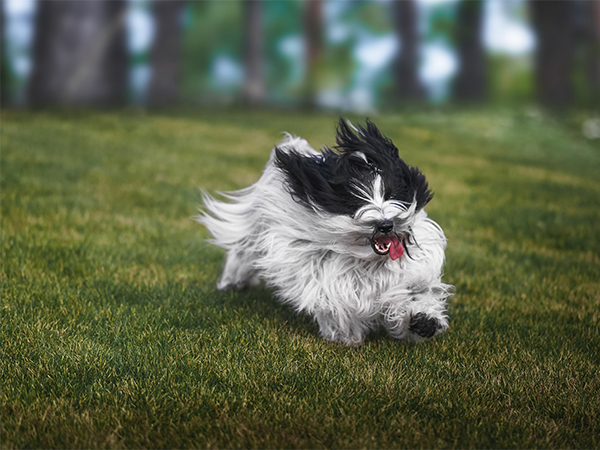
Training your dog to be reliable off-leash is one of the most rewarding milestones you can achieve as a pet owner. It opens the door to safer outdoor adventures, greater exercise, and a stronger bond built on trust and communication. However, off-leash freedom should always be earned through consistent training rather than assumed. Every dog learns at a different pace, so patience and positive reinforcement are key to long-term success.
Whether your goal is to enjoy hikes, take trips to the park, or have confidence in your dog's recall, these proven training techniques will help your canine companion become a safe and dependable off-leash partner.
Training your dog for off-leash reliability takes dedication, consistency, and patience, but the rewards are well worth the effort. A dependable recall, solid obedience skills, and positive reinforcement create a confident dog that can safely enjoy greater freedom while giving you peace of mind.
Remember that every training session strengthens the bond between you and your dog. By practicing regularly, rewarding success, and progressing at your dog's pace, you'll build the trust needed for many enjoyable off-leash adventures together.
Whether your goal is to enjoy hikes, take trips to the park, or have confidence in your dog's recall, these proven training techniques will help your canine companion become a safe and dependable off-leash partner.
-
Build a Strong Foundation with On-Leash Training
Before removing the leash, your dog should consistently respond to basic obedience commands while on a standard leash. Focus on mastering commands such as:- Sit
- Stay
- Come
- Heel
- Leave it
-
Make Recall Your Top Priority
A dependable recall command is the most important skill for off-leash safety. Your dog should immediately return when called, regardless of distractions.
Start practicing in a quiet, enclosed area and reward every successful recall with:- High-value treats
- Enthusiastic praise
- Favorite toys
- Playtime
-
Use a Long Training Lead
A long training lead, typically 20 to 50 feet long, gives your dog more freedom while allowing you to maintain control.
This training tool lets you:- Reinforce recall from greater distances
- Prevent dangerous runaways
- Build your dog's confidence safely
- Practice in larger outdoor spaces
-
Choose Safe Training Environments
Start off-leash practice in secure, fenced areas with minimal distractions.
Ideal locations include:- Fully fenced backyards
- Secure dog training facilities
- Enclosed dog parks during quiet hours
-
Be Consistent with Rules and Boundaries
Dogs thrive on consistency. Everyone in your household should use the same commands and enforce the same expectations.
For example, if your dog must:- Wait before going through doors
- Stay off furniture
- Walk calmly beside you
-
Reward Good Behavior Frequently
Modern dog training emphasizes positive reinforcement because it builds trust and encourages dogs to repeat desirable behaviors.
Reward your dog immediately after they:- Come when called
- Ignore distractions
- Stay close during walks
- Check in with you voluntarily
-
Watch Your Dog's Body Language
Learning to recognize your dog's body language helps you prevent problems before they occur.
Pay attention to signs such as:- Fixating on wildlife
- Raised ears and intense staring
- Nervous pacing
- Fearful posture
- Overexcitement around other dogs
-
Prioritize Socialization
A well-socialized dog is generally more confident and less reactive in unfamiliar environments.
Continue exposing your dog to:- New people
- Friendly dogs
- Different walking trails
- Busy parks
- Various sounds and environments
-
Progress Gradually
Resist the temptation to move too quickly. Successful off-leash training happens in small, manageable steps.
Increase:- Distance from you
- Time spent
- off-leash Environmental distractions
- Duration of outings
-
Put Safety First
Even the best-trained dogs may need to remain on a leash in certain situations.
Keep your dog leashed when:- Near busy roads
- Around unfamiliar or reactive dogs
- In areas with heavy wildlife activity
- During crowded public events
- Where leash laws require it
Training your dog for off-leash reliability takes dedication, consistency, and patience, but the rewards are well worth the effort. A dependable recall, solid obedience skills, and positive reinforcement create a confident dog that can safely enjoy greater freedom while giving you peace of mind.
Remember that every training session strengthens the bond between you and your dog. By practicing regularly, rewarding success, and progressing at your dog's pace, you'll build the trust needed for many enjoyable off-leash adventures together.