
FEATURE ARTICLE
The Best Way to Mulch Around Trees for Healthier Growth and Stronger Roots
Jul 1, 2026
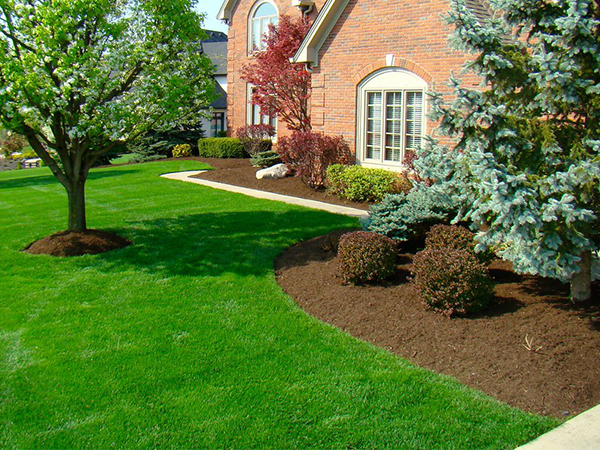
Trees are one of the most valuable parts of any landscape. They provide shade, improve air quality, support wildlife, and enhance the overall beauty of your outdoor space. Proper care is essential to keep them healthy for decades, and one of the simplest yet most effective maintenance practices is mulching around the base.
When done correctly, mulching helps conserve soil moisture, regulate temperature, suppress weeds, and improve soil structure over time. However, improper mulching can do more harm than good. Here’s how to do it the right way for healthier, stronger trees.
Choose the Right Type of Mulch
Selecting the right mulch is the first step in protecting your trees and improving soil health.
The best choices are organic mulches, such as:
Avoid using:
Apply the Correct Depth of Mulch
Mulch depth plays a major role in tree health.
Aim for:
Clear the Area Before Mulching
Before applying mulch, properly prepare the base of the tree.
Remove:
A clean base also reduces pest activity and prevents weeds from growing through the mulch layer.
Create a Proper Mulch Ring (Avoid “Volcano Mulching”)
One of the most common landscaping mistakes is piling mulch directly against the tree trunk—often called “volcano mulching.” This can lead to bark decay, disease, and pest issues.
Instead:
Water After Applying Mulch
Once mulch is applied, water the area thoroughly.
This helps:
Maintain and Refresh Mulch Annually
Mulch naturally breaks down over time, so regular maintenance is important.
Best practices include:
Enhance Soil Health with Organic Additions
To further improve soil quality, you can mix in:
Why Proper Mulching Matters
When done correctly, mulching offers long-term benefits, including:
A Simple Step with Lasting Impact
Mulching around trees may seem like a small task, but it plays a major role in maintaining a healthy and sustainable landscape. By choosing the right materials, applying the right depth, and avoiding common mistakes such as piling mulch against the trunk, you can significantly improve the health and lifespan of your trees.
Consistent, proper mulching supports stronger root systems, healthier soil, and more resilient trees—helping your landscape thrive for years to come.
When done correctly, mulching helps conserve soil moisture, regulate temperature, suppress weeds, and improve soil structure over time. However, improper mulching can do more harm than good. Here’s how to do it the right way for healthier, stronger trees.
Choose the Right Type of Mulch
Selecting the right mulch is the first step in protecting your trees and improving soil health.
The best choices are organic mulches, such as:
- Shredded bark
- Wood chips
- Pine needles
- Compost blends
- Leaf mulch
Avoid using:
- Rubber mulch
- Landscape fabric as a primary barrier
- Plastic sheeting
Apply the Correct Depth of Mulch
Mulch depth plays a major role in tree health.
Aim for:
- 2 to 4 inches of mulch for most trees
- Slightly less for young or shallow-rooted trees
Clear the Area Before Mulching
Before applying mulch, properly prepare the base of the tree.
Remove:
- Grass
- Weeds
- Old compacted mulch
- Debris or stones
A clean base also reduces pest activity and prevents weeds from growing through the mulch layer.
Create a Proper Mulch Ring (Avoid “Volcano Mulching”)
One of the most common landscaping mistakes is piling mulch directly against the tree trunk—often called “volcano mulching.” This can lead to bark decay, disease, and pest issues.
Instead:
- Form a wide, even mulch ring around the tree
- Extend mulch out to the drip line when possible (the area beneath the outer branches)
- Keep mulch a few inches away from the trunk at all times
Water After Applying Mulch
Once mulch is applied, water the area thoroughly.
This helps:
- Settle the mulch into place
- Improve soil contact
- Begin natural decomposition
- Enhance moisture retention in the root zone
Maintain and Refresh Mulch Annually
Mulch naturally breaks down over time, so regular maintenance is important.
Best practices include:
- Replenishing mulch once a year, typically in spring or fall
- Removing compacted or excess old mulch before adding new layers
- Maintaining consistent depth to avoid buildup over time
Enhance Soil Health with Organic Additions
To further improve soil quality, you can mix in:
- Compost for added nutrients
- Shredded leaves to encourage beneficial organisms
- Organic matter to improve soil structure
Why Proper Mulching Matters
When done correctly, mulching offers long-term benefits, including:
- Healthier root development
- Improved drought resistance
- Reduced weed competition
- Better soil temperature regulation
- Enhanced overall tree vitality
A Simple Step with Lasting Impact
Mulching around trees may seem like a small task, but it plays a major role in maintaining a healthy and sustainable landscape. By choosing the right materials, applying the right depth, and avoiding common mistakes such as piling mulch against the trunk, you can significantly improve the health and lifespan of your trees.
Consistent, proper mulching supports stronger root systems, healthier soil, and more resilient trees—helping your landscape thrive for years to come.