
FEATURE ARTICLE
Recognizing the Signs of a Concussion: What You Need to Know
Jul 1, 2026
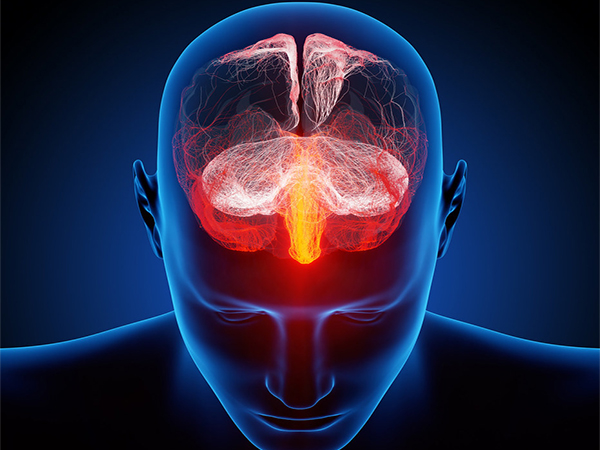
Concussions are among the most common types of traumatic brain injuries and can occur after a blow, bump, or sudden jolt to the head or body. Although often described as "mild" brain injuries, concussions should never be ignored. Even seemingly minor head injuries can have serious short- and long-term effects if not properly evaluated and managed.
Knowing how to recognize the signs of a concussion and seeking prompt medical care can help reduce the risk of complications and support a safe recovery.
What Is a Concussion?
A concussion is a traumatic brain injury (TBI) that temporarily affects how the brain functions. It may occur during sports, falls, motor vehicle accidents, workplace injuries, or any event involving a sudden impact.
Contrary to popular belief, a person does not have to lose consciousness to have a concussion. In fact, most concussions occur without a loss of consciousness.
Symptoms may appear immediately after the injury or develop gradually over several hours or even days.
Common Signs and Symptoms of a Concussion
Because every concussion is different, symptoms can vary from person to person. Common warning signs include:
Headache or Pressure in the Head
One of the most common symptoms is a headache that develops after a head injury. The pain may range from mild to severe and can worsen with physical or mental activity.
Dizziness or Balance Problems
A concussion can affect the brain's ability to process balance and coordination, leading to:
Confusion or Difficulty Concentrating
People with concussions often report:
Memory Problems
Memory loss surrounding the injury is common. A person may have difficulty remembering:
Changes in Speech
Slurred speech, difficulty finding words, or speaking more slowly than usual may indicate a concussion and should be evaluated promptly.
Fatigue and Sleep Changes
Concussions frequently affect normal sleep patterns. Some people may:
Loss of Consciousness
Although loss of consciousness can occur, it is not required for a concussion diagnosis. Even if someone never blacks out, they may still have a significant brain injury.
What to Do If You Suspect a Concussion
If you or someone else may have suffered a concussion, taking the right steps immediately is important.
Seek Medical Evaluation
A healthcare professional should evaluate any suspected concussion. Prompt assessment helps rule out more serious brain injuries and ensures appropriate treatment recommendations.
Rest the Brain and Body
Current concussion management emphasizes a brief period of relative physical and cognitive rest, followed by a gradual return to normal activities under medical guidance as symptoms improve.
Avoid activities that worsen symptoms, including:
Only take medications approved by your healthcare provider.
Monitor Symptoms Closely
Watch for changes during the first 24 to 48 hours after the injury. If symptoms worsen or new symptoms develop, seek immediate medical attention.
Keeping notes about symptoms can help healthcare providers monitor recovery.
Emergency Warning Signs
Seek emergency medical care immediately if the injured person experiences:
Returning to Normal Activities
Recovery varies from person to person. Some individuals recover within a few days, while others may need several weeks.
Returning to work, school, sports, or strenuous activity too quickly can prolong symptoms and increase the risk of another concussion before the brain has fully healed.
Follow your healthcare provider's recommendations for a gradual return to daily activities, and don't rush the recovery process.
Protect Your Brain Health
Recognizing the signs of a concussion is one of the most important steps in preventing complications after a head injury. Early medical evaluation, appropriate rest, and careful monitoring can significantly improve recovery and reduce the risk of long-term problems.
Whether the injury occurs during sports, at work, at home, or in a motor vehicle accident, every head injury should be taken seriously. If you suspect a concussion, seek medical care promptly and follow your healthcare provider's guidance to support a safe and complete recovery.
Knowing how to recognize the signs of a concussion and seeking prompt medical care can help reduce the risk of complications and support a safe recovery.
What Is a Concussion?
A concussion is a traumatic brain injury (TBI) that temporarily affects how the brain functions. It may occur during sports, falls, motor vehicle accidents, workplace injuries, or any event involving a sudden impact.
Contrary to popular belief, a person does not have to lose consciousness to have a concussion. In fact, most concussions occur without a loss of consciousness.
Symptoms may appear immediately after the injury or develop gradually over several hours or even days.
Common Signs and Symptoms of a Concussion
Because every concussion is different, symptoms can vary from person to person. Common warning signs include:
Headache or Pressure in the Head
One of the most common symptoms is a headache that develops after a head injury. The pain may range from mild to severe and can worsen with physical or mental activity.
Dizziness or Balance Problems
A concussion can affect the brain's ability to process balance and coordination, leading to:
- Dizziness
- Feeling unsteady
- Difficulty walking
- Loss of balance
- Nausea or Vomiting
Confusion or Difficulty Concentrating
People with concussions often report:
- Feeling mentally "foggy"
- Difficulty focusing
- Trouble following conversations
- Slower thinking
Memory Problems
Memory loss surrounding the injury is common. A person may have difficulty remembering:
- What happened before the injury
- Events immediately afterward
- Recent conversations or activities
- Sensitivity to Light and Noise
Changes in Speech
Slurred speech, difficulty finding words, or speaking more slowly than usual may indicate a concussion and should be evaluated promptly.
Fatigue and Sleep Changes
Concussions frequently affect normal sleep patterns. Some people may:
- Feel unusually tired
- Sleep more than usual
- Have trouble falling asleep
- Wake frequently during the night
- Mood or Emotional Changes
- Irritability
- Anxiety
- Sadness
- Mood swings
- Increased emotional sensitivity
Loss of Consciousness
Although loss of consciousness can occur, it is not required for a concussion diagnosis. Even if someone never blacks out, they may still have a significant brain injury.
What to Do If You Suspect a Concussion
If you or someone else may have suffered a concussion, taking the right steps immediately is important.
Seek Medical Evaluation
A healthcare professional should evaluate any suspected concussion. Prompt assessment helps rule out more serious brain injuries and ensures appropriate treatment recommendations.
Rest the Brain and Body
Current concussion management emphasizes a brief period of relative physical and cognitive rest, followed by a gradual return to normal activities under medical guidance as symptoms improve.
Avoid activities that worsen symptoms, including:
- Strenuous exercise
- Heavy lifting
- Contact sports
- Extended screen time if it increases symptoms
- Avoid Alcohol and Recreational Drugs
Only take medications approved by your healthcare provider.
Monitor Symptoms Closely
Watch for changes during the first 24 to 48 hours after the injury. If symptoms worsen or new symptoms develop, seek immediate medical attention.
Keeping notes about symptoms can help healthcare providers monitor recovery.
Emergency Warning Signs
Seek emergency medical care immediately if the injured person experiences:
- Repeated vomiting
- Increasing confusion
- Difficulty waking up
- Seizures
- Weakness or numbness
- Slurred speech that worsens
- Unequal pupil size
- Severe or worsening headache
- Loss of consciousness
- Increasing drowsiness or unusual behavior
Returning to Normal Activities
Recovery varies from person to person. Some individuals recover within a few days, while others may need several weeks.
Returning to work, school, sports, or strenuous activity too quickly can prolong symptoms and increase the risk of another concussion before the brain has fully healed.
Follow your healthcare provider's recommendations for a gradual return to daily activities, and don't rush the recovery process.
Protect Your Brain Health
Recognizing the signs of a concussion is one of the most important steps in preventing complications after a head injury. Early medical evaluation, appropriate rest, and careful monitoring can significantly improve recovery and reduce the risk of long-term problems.
Whether the injury occurs during sports, at work, at home, or in a motor vehicle accident, every head injury should be taken seriously. If you suspect a concussion, seek medical care promptly and follow your healthcare provider's guidance to support a safe and complete recovery.