
FEATURE ARTICLE
How to Tell If Your Seeds Are Still Good: A Complete Guide to Seed Viability
Jun 24, 2026
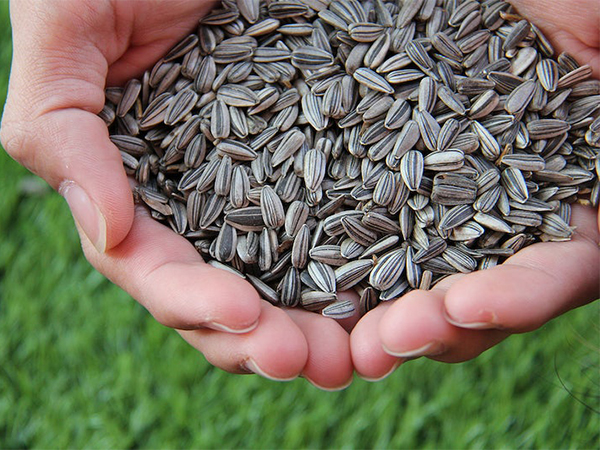
Seeds are the foundation of every successful garden. Whether you're growing flowers, vegetables, or herbs, healthy seeds are essential for strong germination and productive plants. However, seeds don’t last forever, and planting old or non-viable seeds can lead to poor germination rates, wasted effort, and disappointing results.
Knowing how to check if your seeds are still viable can save time, improve planting success, and help you plan a more productive growing season.
Why Seed Viability Matters
Seed viability refers to a seed’s ability to germinate and grow into a healthy plant. Over time, seeds naturally lose their ability to sprout due to age, improper storage, or environmental exposure.
By testing seed viability before planting, you can:
To get the best results from your seeds:
Even if some seeds don’t make the cut, it’s an opportunity to refresh your collection and introduce new plant varieties to your garden. With a little preparation, you can ensure a healthier, more productive growing season from the very start.
Knowing how to check if your seeds are still viable can save time, improve planting success, and help you plan a more productive growing season.
Why Seed Viability Matters
Seed viability refers to a seed’s ability to germinate and grow into a healthy plant. Over time, seeds naturally lose their ability to sprout due to age, improper storage, or environmental exposure.
By testing seed viability before planting, you can:
- Improve germination rates
- Avoid wasted garden space
- Save money on unnecessary planting
- Plan your garden more effectively
-
Check the Seed Packet Date
Most seed packets include a “packed for” or expiration date, which gives a general guideline for freshness. While this date isn’t absolute, it is a helpful starting point.
Keep in mind:- Some seeds remain viable beyond their printed date
- Germination rates typically decline over time
- Fresh seeds usually produce stronger, more uniform seedlings
-
Perform a Simple Seed Germination Test
One of the most reliable ways to check seed viability is with a paper towel germination test.
Steps:- Moisten a paper towel (damp, not soaking wet)
- Place 10–20 seeds evenly across the surface
- Fold the towel over the seeds
- Seal it in a plastic bag or container to retain moisture
- Store in a warm location (around 70–80°F / 21–27°C)
- Check daily for sprouting over 7–14 days
- High sprouting rate = seeds are viable
- Partial sprouting = reduced viability
- Little to no sprouting = replace seeds
-
Inspect Seed Appearance
Visual inspection can provide helpful clues about seed quality.
Look for:-
Size and Shape
Healthy seeds are typically firm, plump, and uniform. Shrivelled or cracked seeds may struggle to germinate. -
Color
Seeds that retain their natural color are more likely to be viable. Fading, discoloration, or dark spots can indicate aging or damage. -
Texture
Good seeds feel hard and solid. Soft, brittle, or damaged seeds may no longer be viable.
-
Size and Shape
-
Evaluate Storage Conditions
Proper storage plays a major role in preserving seed life. Even high-quality seeds can lose viability if stored incorrectly.
Ideal storage conditions include:- Cool temperatures
- Dry environment (low humidity)
- Dark storage location
- Airtight containers or sealed packets
-
Understand Seed Longevity by Type
Different seeds have different lifespans. For example:- Short-lived seeds: onions, parsley, lettuce
- Medium lifespan: beans, carrots, peppers
- Long-lasting seeds: tomatoes, cucumbers, squash
To get the best results from your seeds:
- Start with fresh seeds when possible
- Use quality potting soil for planting
- Maintain consistent moisture (not soggy)
- Provide proper warmth and light conditions
- Label and organize seed storage by date
Even if some seeds don’t make the cut, it’s an opportunity to refresh your collection and introduce new plant varieties to your garden. With a little preparation, you can ensure a healthier, more productive growing season from the very start.