
FEATURE ARTICLE
Bent Wheels vs Wheel Imbalance: Causes, Symptoms, and Solutions
Jun 24, 2026
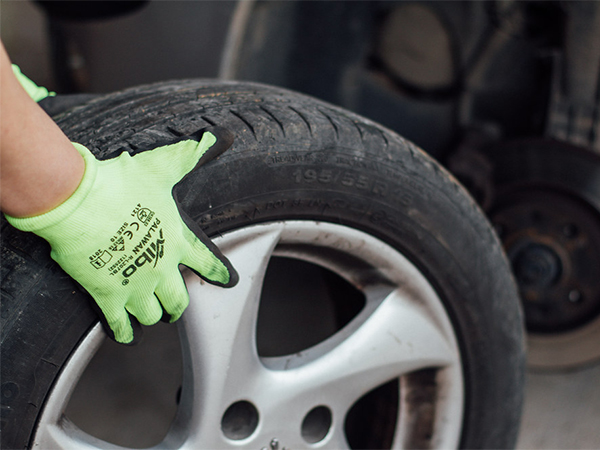
Your vehicle’s wheels play a critical role in safety, comfort, and overall driving performance. When something is wrong, your car often gives clear warning signs such as vibrations, uneven tire wear, steering pull, or unusual noises. Ignoring these symptoms can lead to reduced tire life, poor handling, and potential safety risks.
Two of the most common wheel-related issues are bent wheels and wheel imbalance. While they may feel similar when driving, their causes and solutions differ. Understanding how to identify each issue can help you take timely action and prevent further damage.
What Is a Bent Wheel?
A bent wheel occurs when the rim is deformed by impact or stress. This is often caused by hitting potholes, curbs, road debris, or minor collisions. Even a small bend can affect how your vehicle drives.
Common Causes of Bent Wheels
Solutions for Bent Wheels
What Is Wheel Imbalance?
Wheel imbalance occurs when the weight distribution around the wheel and tire assembly is uneven. Unlike a bent wheel, the rim may be structurally fine, but uneven weight causes instability while driving.
Common Causes of Wheel Imbalance
Solutions for Wheel Imbalance
Bent Wheel vs Wheel Imbalance: Key Differences
Although both issues can cause vibrations, they are different problems:
Why Prompt Attention Matters
Ignoring wheel issues can lead to:
Prevention Tips for Healthier Wheels
To reduce the risk of wheel damage and imbalance:
Regular maintenance, careful driving, and timely professional inspections are the best ways to ensure a smooth, safe, and reliable ride every time you get behind the wheel.
Two of the most common wheel-related issues are bent wheels and wheel imbalance. While they may feel similar when driving, their causes and solutions differ. Understanding how to identify each issue can help you take timely action and prevent further damage.
What Is a Bent Wheel?
A bent wheel occurs when the rim is deformed by impact or stress. This is often caused by hitting potholes, curbs, road debris, or minor collisions. Even a small bend can affect how your vehicle drives.
Common Causes of Bent Wheels
- Driving into potholes or rough road surfaces
- Hitting curbs while parking or turning
- Road accidents or minor collisions
- Pothole damage during seasonal weather changes
- Steering wheel vibration, especially at higher speeds
- Vehicle pulling to one side while driving straight
- Uneven or premature tire wear
- Visible rim damage, such as dents or bends
- Loss of smooth ride quality
Solutions for Bent Wheels
- Professional inspection to assess damage severity
- Wheel straightening repair using specialized equipment (if repairable)
- Wheel replacement for severely damaged rims
- Tire inspection and balancing after repair or replacement
What Is Wheel Imbalance?
Wheel imbalance occurs when the weight distribution around the wheel and tire assembly is uneven. Unlike a bent wheel, the rim may be structurally fine, but uneven weight causes instability while driving.
Common Causes of Wheel Imbalance
- Normal tire wear over time
- Loss of wheel weights
- Improper tire installation or rotation
- New tire installation without proper balancing
- Vibration in steering wheel or seat at certain speeds
- Steering wobble or shaking
- Uneven tire wear patterns
- Tire cupping or scalloped wear
- Reduced ride comfort at highway speeds
Solutions for Wheel Imbalance
- Wheel balancing service using professional equipment
- Adding or adjusting wheel weights for proper balance
- Tire rotation and inspection
- Rebalancing after tire replacement or repair
Bent Wheel vs Wheel Imbalance: Key Differences
Although both issues can cause vibrations, they are different problems:
- Bent wheels = physical damage to the rim
- Wheel imbalance = uneven weight distribution
- Bent wheels often require repair or replacement
- Imbalance is usually corrected with wheel weights
Why Prompt Attention Matters
Ignoring wheel issues can lead to:
- Increased tire wear and replacement costs
- Poor fuel efficiency
- Reduced steering control and safety
- Suspension strain and additional repairs
Prevention Tips for Healthier Wheels
To reduce the risk of wheel damage and imbalance:
- Avoid potholes and rough road edges when possible
- Drive cautiously over uneven surfaces
- Schedule regular tire rotations and balancing
- Inspect tires monthly for wear or damage
- Repair minor issues early before they worsen
Regular maintenance, careful driving, and timely professional inspections are the best ways to ensure a smooth, safe, and reliable ride every time you get behind the wheel.