
FEATURE ARTICLE
How to Create High-Converting Landing Pages: A Practical Guide for Digital Marketing Success
Jun 24, 2026
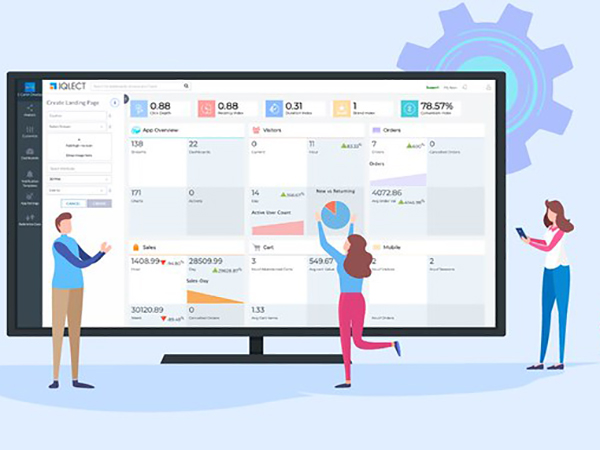
In digital marketing, landing pages are one of the most important tools for turning website traffic into qualified leads. A well-designed landing page can significantly improve conversion rates by guiding visitors toward a single, focused action—whether that’s signing up, downloading, or making a purchase.
However, effective landing page design goes far beyond visuals and text. It requires strategic messaging, user-focused design, and continuous optimization to perform well in today’s competitive digital landscape.
Below are the essential elements and best practices for building landing pages that convert.
A successful landing page is never truly finished. It evolves alongside your audience, your goals, and your marketing performance.
However, effective landing page design goes far beyond visuals and text. It requires strategic messaging, user-focused design, and continuous optimization to perform well in today’s competitive digital landscape.
Below are the essential elements and best practices for building landing pages that convert.
-
Write a Clear, Benefit-Driven Headline
Your headline is the first impression visitors get, and it must immediately communicate value.
A strong landing page headline should:- Be clear and concise
- Highlight a specific benefit or solution
- Match the visitor’s intent or ad source
- Encourage users to keep reading
-
Use Engaging and Relevant Visuals
Visual content helps reinforce your message and improve user engagement. People process images faster than text, making visuals a key conversion tool.
Effective visuals include:- High-quality product or service images
- Short explainer videos
- Simple graphics that support key points
- Brand-consistent design elements
-
Craft Persuasive, Benefit-Focused Copy
Landing page copy should be simple, direct, and focused on solving a problem or delivering value.
Best practices include:- Focus on benefits, not just features
- Use short paragraphs and bullet points
- Address customer pain points directly
- Maintain a conversational tone
-
Create a Strong, Action-Oriented CTA
Your call-to-action (CTA) is the most important conversion element on the page.
To improve performance:- Use clear action verbs (e.g., “Get Started,” “Download Now”)
- Make the CTA visually prominent
- Reinforce the value of clicking
- Limit distractions near the button
-
Build Trust with Social Proof
Trust is a major factor in online conversions. Visitors are more likely to take action when they see evidence that others have had a positive experience.
Effective trust signals include:- Customer testimonials
- Online reviews and ratings
- Case studies
- Security badges or certifications
-
Optimize Forms for Higher Conversions
If your landing page includes a form, simplicity is key. Long or complicated forms often lead to drop-offs.
To improve form completion rates:- Request only essential information
- Use clear labels and instructions
- Consider multi-step forms for longer processes
- Ensure mobile-friendly design
-
Ensure Mobile Responsiveness and Speed
With most users browsing on mobile devices, responsive design is no longer optional.
Key mobile optimization tips:- Ensure fast page load times
- Use responsive layouts for all screen sizes
- Keep buttons large and easy to tap
- Avoid cluttered designs on small screens
-
Use A/B Testing to Improve Performance
Even small changes can significantly impact landing page results. A/B testing helps you understand what works best for your audience.
Test elements such as:- Headlines
- CTA wording and placement
- Images and videos
- Form length and layout
-
Create a Strategic Thank You Page
The user journey doesn’t end after conversion. A well-designed thank-you page reinforces trust and encourages further engagement.
You can use it to:- Confirm the action was successful
- Provide next steps or onboarding instructions
- Offer additional resources
- Encourage social sharing or referrals
-
Track Analytics and Continuously Improve
Landing page optimization is an ongoing process. Regularly reviewing performance data helps you identify opportunities for improvement.
Key metrics to monitor:- Conversion rate
- Bounce rate
- Time on page
- Traffic sources
A successful landing page is never truly finished. It evolves alongside your audience, your goals, and your marketing performance.