
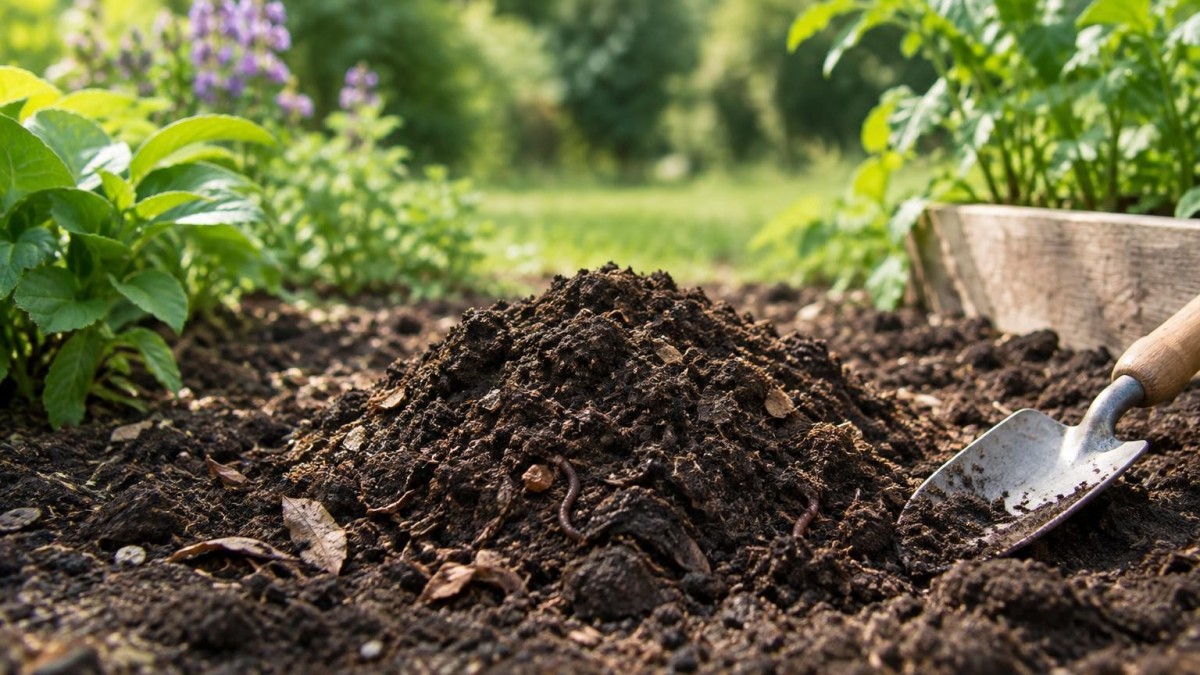
Understanding Humus and Its Value in Soil
Humus is the dark, organic material found in the soil after plant and animal matter has decomposed over time. Unlike fresh organic debris, humus is stable and can nourish the soil for years, giving healthy soil its rich, dark appearance. It plays an essential role in promoting plant growth and maintaining a thriving soil ecosystem.
How Humus Benefits Your Landscape
Humus acts like a natural reservoir, storing key nutrients such as nitrogen, phosphorus, potassium, calcium, and magnesium. These nutrients are released slowly, ensuring your plants receive a steady supply without waste. This slow nutrient release supports long-lasting soil fertility and helps reduce the need for frequent fertilization.
One of humus's standout features is its excellent water retention. It can hold significant moisture, helping soils stay damp during dry spells and reducing how often you need to water. This is especially beneficial for landscapes and gardens facing drought or irregular rainfall.
Humus also improves soil texture by binding soil particles into stable clumps. This enhances aeration and drainage while creating an ideal environment for roots to spread and access nutrients. Additionally, it helps buffer soil pH, stabilizing conditions so plants can thrive without stress from sudden pH fluctuations.
Beyond this, humus supports a flourishing community of beneficial soil organisms like bacteria, fungi, and earthworms. These creatures play a key role in breaking down organic matter, cycling nutrients, and maintaining soil health. Humus even helps prevent soil erosion by holding particles together, protecting your landscape from wind and water damage.
The Journey of Humus Formation
Humus develops through decomposition, where fallen leaves, grass clippings, dead plants, and other organic matter are broken down by microbes, insects, and earthworms. As decomposition continues, some materials undergo humification—a process that converts them into stable humic substances resistant to further decay.
This formation process depends on factors like soil temperature, moisture, oxygen, texture, and pH. Generally, warm, moist, and moderately acidic to neutral soils foster faster humus development. It can take months to years for humus to build up, but the benefits last much longer.
Encouraging Humus Build-Up in Your Soil
To boost humus levels, integrate organic practices such as adding compost, mulching, leaving grass clippings on lawns, planting cover crops, rotating crops, and minimizing soil disturbance. Reducing synthetic fertilizer use also supports the natural processes that create humus.
By focusing on humus, landscapers, gardeners, and growers can cultivate healthier, more resilient soils that require less water and chemical inputs. This improves plant vitality and supports sustainable landscapes for the long term.
Next time you admire lush, vibrant greenery, remember humus is the unseen powerhouse fueling that growth—nourishing your soil to help your plants flourish season after season.
Newsletter Station provides professionally written, ready-to-send newsletters customized for your market and brand.
EXPLORE NEWSLETTER OPTIONS