
FEATURE ARTICLE
Why One-Handed Shooting Is an Essential Firearms Skill
Jun 17, 2026
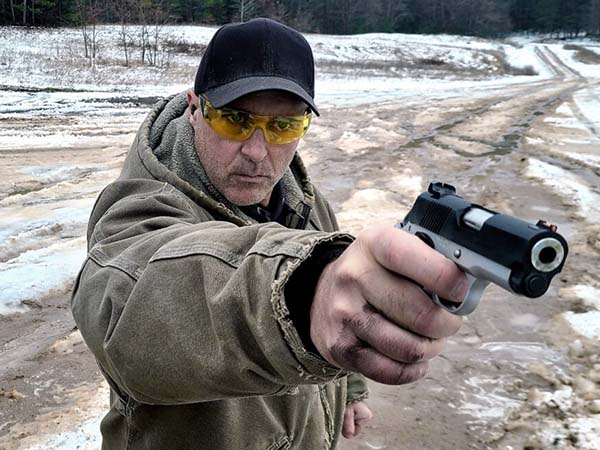
When it comes to firearms training, most shooters focus heavily on two-handed techniques for stability, control, and accuracy. While that foundation is critical, one-handed shooting is an equally important skill that is often overlooked in modern firearm training programs.
Developing the ability to safely and effectively operate a firearm with one hand improves adaptability, confidence, and real-world preparedness. In dynamic situations where conditions change quickly, this skill can make a meaningful difference in performance and safety.
Below are key reasons why incorporating one-handed shooting into your training routine is so valuable.
Whether you are training for personal defense, professional preparedness, or competitive shooting, incorporating one-handed techniques into your practice routine can help you become a more capable and well-rounded firearm user.
Developing the ability to safely and effectively operate a firearm with one hand improves adaptability, confidence, and real-world preparedness. In dynamic situations where conditions change quickly, this skill can make a meaningful difference in performance and safety.
Below are key reasons why incorporating one-handed shooting into your training routine is so valuable.
-
Real-World Self-Defense Situations
In a real self-defense scenario, conditions are rarely ideal. You may need to react while:- Carrying an object or protecting someone
- Moving through tight spaces
- Recovering from physical imbalance or disruption
-
Injury or Limited Mobility Scenarios
One of the most important reasons to learn one-handed shooting is the possibility of injury. In high-stress situations, you may not have full use of both arms.
Training for one-handed control ensures you can still:- Operate your firearm safely
- Maintain trigger discipline
- Engage effectively if necessary
-
Close-Quarters and Confined Spaces
Environments such as hallways, vehicles, stairwells, or crowded areas can limit movement and restrict two-handed positioning.
One-handed techniques allow you to:- Maintain control in tight spaces
- Move more freely during engagement scenarios
- Keep your firearm accessible while navigating obstacles
-
Improved Use of Cover and Angles
One-handed shooting can significantly improve your ability to use cover effectively. It allows you to:- Lean around barriers more efficiently
- Reduce exposure to potential threats
- Maintain better body positioning behind cover
-
Developing Ambidextrous Skills
Training your non-dominant hand is a key component of becoming a well-rounded shooter. Ambidextrous ability is valuable when:- Switching hands due to injury or fatigue
- Adjusting shooting angles around cover
- Improving overall coordination and control
-
Building Confidence Under Stress
Confidence plays a major role in safe and effective firearm handling. Knowing you can operate your firearm with either hand helps reduce hesitation during stressful situations.
Benefits include:- Better focus under pressure
- Improved decision-making speed
- Greater comfort with adaptive shooting positions
-
Competitive Shooting Advantages
In many competitive shooting sports, one-handed shooting is a required or highly beneficial skill. Practicing these techniques can improve:- Speed and transition control
- Accuracy under varied conditions
- Overall shooting discipline and consistency
Safety and Responsible Training
One-handed shooting should always be practiced under proper supervision and in a controlled environment. Prioritizing firearm safety is essential, including:- Following all range rules
- Using certified instructors when possible
- Practicing with unloaded or training-safe equipment when appropriate
Whether you are training for personal defense, professional preparedness, or competitive shooting, incorporating one-handed techniques into your practice routine can help you become a more capable and well-rounded firearm user.