
FEATURE ARTICLE
Natural Ways to Support Thinning Hair and Promote Healthier Growth
Jun 17, 2026
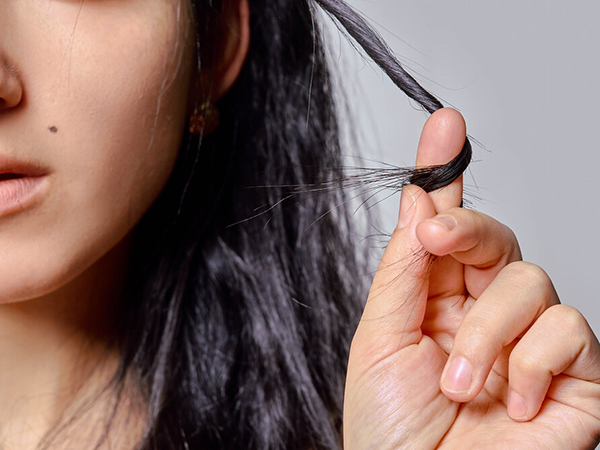
Thinning hair is a common concern for both men and women, especially as we age. While some hair changes are a natural part of the aging process, factors such as genetics, stress, hormonal shifts, nutritional deficiencies, and harsh hair care routines can all contribute to increased shedding and reduced volume.
The good news is that many people can support healthier, stronger hair using natural, consistent lifestyle and care practices. While results take time and patience, a holistic approach can make a noticeable difference in overall hair health.
Below are practical, natural strategies to help support hair growth and reduce thinning over time.
While natural methods may not deliver instant results, many people see gradual improvements in hair strength and fullness with continued care. If hair thinning becomes severe or persistent, consulting a dermatologist or healthcare professional is recommended to rule out underlying conditions.
The good news is that many people can support healthier, stronger hair using natural, consistent lifestyle and care practices. While results take time and patience, a holistic approach can make a noticeable difference in overall hair health.
Below are practical, natural strategies to help support hair growth and reduce thinning over time.
-
Eat a Nutrient-Rich, Hair-Supportive Diet
Healthy hair starts from within. Since hair is primarily made of keratin (a protein), adequate nutrition is essential for growth and strength.
Focus on including:- Lean proteins such as chicken, fish, eggs, and legumes
- Iron-rich foods like spinach, lentils, and red meat
- Biotin sources such as eggs, almonds, and sweet potatoes
- Omega-3 fatty acids from salmon, chia seeds, and walnuts
- Vitamins A, C, D, and E for scalp and follicle health
-
Stimulate the Scalp with Regular Massage
Scalp massage is a simple but effective way to encourage circulation to hair follicles.
Try this routine:- Massage your scalp for 5–10 minutes several times per week
- Use gentle circular motions with fingertips
- Add natural oils like rosemary, peppermint, or lavender for added benefit
-
Switch to Gentle, Natural Hair Care Products
Many conventional shampoos and styling products contain sulfates, parabens, and harsh detergents that can strip natural oils and weaken hair over time.
Consider switching to:- Sulfate-free shampoos
- Silicone-free conditioners
- Plant-based or organic hair care products
- Scalp-friendly formulas designed for sensitive skin
-
Use Aloe Vera for Scalp Health
Aloe vera is widely used in natural hair care for its soothing and hydrating properties. It may help reduce scalp irritation and support a healthy environment for hair growth.
How to use it:- Apply fresh aloe vera gel directly to the scalp
- Leave it on for 20–30 minutes
- Rinse thoroughly with a mild shampoo
-
Try Coconut Oil Treatments
Coconut oil remains a popular natural remedy for strengthening hair and reducing protein loss.
Benefits include:- Deep moisture retention
- Reduced breakage
- Improved hair texture and shine
-
Manage Stress for Healthier Hair
Chronic stress is closely linked to increased hair shedding and slowed growth cycles. Managing stress can support overall wellness, including hair health.
Helpful practices include:- Meditation or mindfulness exercises
- Yoga or light daily movement
- Deep breathing techniques
- Regular outdoor activity and sleep routines
-
Stay Properly Hydrated
Hydration is often overlooked but essential for healthy hair. Dehydration can lead to dry, brittle strands that are more prone to breakage.
Aim to:- Drink enough water throughout the day
- Limit excessive caffeine and alcohol intake
- Include water-rich foods like fruits and vegetables
-
Avoid Tight Hairstyles and Excess Tension
Hairstyles that pull tightly on the scalp can contribute to a condition known as traction-related hair loss.
To reduce stress on hair follicles:- Avoid tight ponytails, buns, or braids
- Use soft hair ties instead of elastic bands
- Alternate hairstyles regularly
- Give your hair regular “rest days”
While natural methods may not deliver instant results, many people see gradual improvements in hair strength and fullness with continued care. If hair thinning becomes severe or persistent, consulting a dermatologist or healthcare professional is recommended to rule out underlying conditions.