
FEATURE ARTICLE
How to Prevent Fly Eggs from Hatching in Your Home
Jun 17, 2026
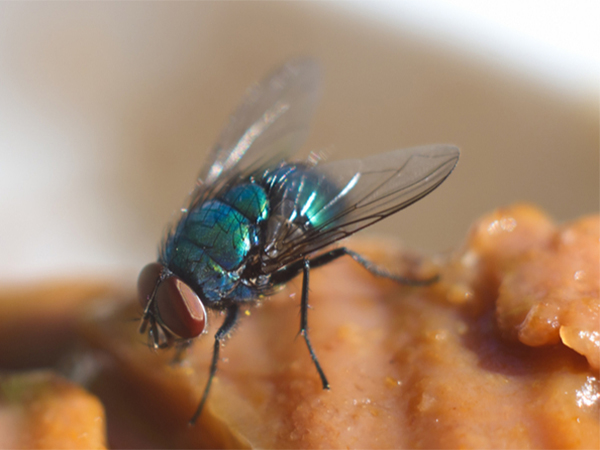
Flies are more than just an annoyance—they can carry bacteria, contaminate food, and quickly multiply if allowed to breed inside your home. A single fly can lay hundreds of eggs, which hatch into larvae, commonly known as maggots, in a short period. Once an infestation begins, it can be difficult and unpleasant to control.
Fortunately, preventing fly eggs from hatching is often much easier than dealing with an active infestation. By maintaining a clean environment and eliminating breeding opportunities, you can significantly reduce the likelihood of flies taking over your living space. Here are some practical and effective strategies to help keep your home fly-free.
If fly activity persists despite your prevention efforts, it may be time to consult a professional pest control service. Persistent infestations can indicate hidden breeding sites behind walls, in crawl spaces, under appliances, or within drainage systems.
A trained pest management professional can identify the source of the problem and recommend targeted treatment options to eliminate the infestation and prevent future outbreaks.
Preventing fly eggs from hatching in your home requires a proactive approach centered on cleanliness, proper waste management, moisture control, and routine inspections. By removing breeding opportunities and making your home less attractive to flies, you can dramatically reduce the risk of infestations.
Consistent maintenance and good sanitation practices go a long way toward protecting your home, food, and family from the health risks associated with flies. With the right prevention strategies in place, you can enjoy a cleaner, healthier, and more comfortable living environment year-round.
Fortunately, preventing fly eggs from hatching is often much easier than dealing with an active infestation. By maintaining a clean environment and eliminating breeding opportunities, you can significantly reduce the likelihood of flies taking over your living space. Here are some practical and effective strategies to help keep your home fly-free.
-
Eliminate Potential Breeding Sites
Flies are attracted to warm, moist areas that contain decaying organic matter. These environments provide ideal conditions for laying eggs.
Common breeding sites include:- Garbage containers
- Compost bins
- Food waste
- Pet waste
- Drains
- Damp cleaning cloths
- Outdoor trash storage areas
-
Practice Proper Waste Management
Proper garbage handling is one of the most effective ways to prevent fly infestations.
To reduce fly activity:- Use trash cans with tight-fitting lids.
- Empty indoor trash frequently.
- Clean garbage containers regularly.
- Double-bag food waste when possible.
- Keep outdoor bins away from entry points.
-
Store Food Securely
Exposed food can quickly attract flies, particularly during warmer months.
Protect your food by:- Using airtight storage containers.
- Covering fruits and vegetables.
- Promptly cleaning food spills.
- Avoiding leaving pet food out for extended periods.
- Storing pantry items properly.
-
Maintain a Clean Kitchen
The kitchen is often the primary target for flies because it contains food, moisture, and waste.
Focus on:- Wiping countertops daily.
- Cleaning under appliances.
- Sweeping and mopping floors regularly.
- Emptying crumb trays.
- Sanitizing sinks and drains.
-
Install and Maintain Screens
Keeping flies from entering your home is one of the easiest forms of prevention.
Inspect and maintain:- Window screens
- Screen doors
- Vent covers
- Garage openings
-
Use Natural Fly Repellents
Many homeowners prefer natural solutions to discourage flies without relying solely on chemical treatments.
Popular natural repellents include:- Peppermint oil
- Lavender oil
- Eucalyptus oil
- Lemongrass oil
- Vinegar-based cleaning solutions
- Citrus-scented cleaners
-
Set Up Fly Traps
Fly traps can help reduce adult fly populations before they have the opportunity to reproduce.
Effective options include:- Commercial fly traps
- Sticky traps
- UV light traps
- Homemade vinegar traps
-
Keep Pet Areas Clean
Pet waste is a common source of fly activity, both indoors and outdoors.
To minimize risk:- Remove pet waste promptly.
- Clean litter boxes frequently.
- Wash pet bedding regularly.
- Sanitize feeding areas.
-
Pay Attention to Moisture Problems
Flies often seek damp environments where eggs and larvae can survive.
Inspect your home for:- Leaking pipes
- Standing water
- Damp basements
- Poor drainage
- Condensation issues
-
Schedule Regular Home Inspections
Routine inspections can help you identify potential fly breeding sites before they become major problems.
Look for:- Accumulated debris
- Hidden food sources
- Unsealed garbage containers
- Signs of fly activity near windows or drains
- Maggots or larvae in damp areas
If fly activity persists despite your prevention efforts, it may be time to consult a professional pest control service. Persistent infestations can indicate hidden breeding sites behind walls, in crawl spaces, under appliances, or within drainage systems.
A trained pest management professional can identify the source of the problem and recommend targeted treatment options to eliminate the infestation and prevent future outbreaks.
Preventing fly eggs from hatching in your home requires a proactive approach centered on cleanliness, proper waste management, moisture control, and routine inspections. By removing breeding opportunities and making your home less attractive to flies, you can dramatically reduce the risk of infestations.
Consistent maintenance and good sanitation practices go a long way toward protecting your home, food, and family from the health risks associated with flies. With the right prevention strategies in place, you can enjoy a cleaner, healthier, and more comfortable living environment year-round.