
FEATURE ARTICLE
Common Causes of Hair Breakage and How to Prevent Damaged, Weak Hair
Jun 10, 2026
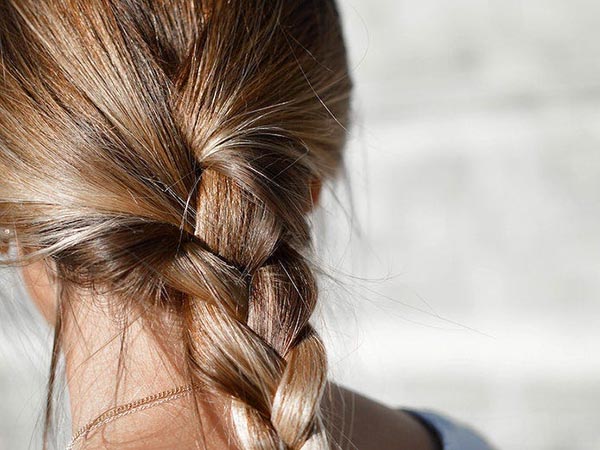
Healthy, strong hair is often associated with confidence, beauty, and overall well-being. However, hair breakage is a common concern that can leave strands looking dry, brittle, and dull. Breakage occurs when the hair shaft becomes weak and snaps due to physical stress, moisture loss, or internal health factors.
The good news is that most causes of hair breakage are preventable. By understanding what damages your hair and adopting healthier habits, you can restore strength, shine, and resilience over time.
With the right balance of protection, nourishment, and patience, your hair can regain its natural shine, softness, and resilience. Small changes in your routine today can lead to noticeably healthier hair in the long run.
The good news is that most causes of hair breakage are preventable. By understanding what damages your hair and adopting healthier habits, you can restore strength, shine, and resilience over time.
-
Heat Styling Damage
Frequent use of heat-styling tools such as blow-dryers, flat irons, and curling wands can significantly weaken hair. High temperatures strip moisture from the hair shaft, making it more prone to breakage and split ends.
To reduce damage:- Always apply a heat protectant spray before styling
- Use the lowest effective heat setting
- Limit heat styling to a few times per week
- Allow hair to air-dry whenever possible
-
Chemical Treatments and Coloring
Chemical processes such as bleaching, perming, relaxing, and frequent hair coloring can alter hair structure and weaken its protein bonds. Over time, this can lead to significant breakage if proper care is not taken.
To protect your hair:- Space out chemical treatments to allow recovery time
- Use deep conditioning and bond-repair treatments
- Choose professional salon services when possible
- Follow up with moisturizing hair care routines
-
Overwashing and Harsh Products
Washing your hair too frequently can strip away natural oils that protect and nourish the scalp and strands. This leads to dryness, brittleness, and increased breakage.
To maintain balance:- Wash hair 2–3 times per week, depending on hair type
- Use sulfate-free, gentle shampoos
- Follow with hydrating conditioners or masks
- Focus shampoo on the scalp rather than the ends
-
Tight Hairstyles and Excess Tension
Styles that pull tightly on the hair—such as high ponytails, braids, buns, or extensions—can cause traction stress on the hair follicle. Over time, this repeated tension can lead to breakage and thinning.
To reduce strain:- Alternate hairstyles regularly
- Avoid overly tight pulling at the roots
- Use soft hair ties like scrunchies or spiral bands
- Give your hair “rest days” between styled looks
-
Improper Brushing and Detangling
Brushing hair aggressively or detangling it while wet can cause strands to snap easily. Wet hair is especially fragile because its structure temporarily weakens when saturated.
Best practices include:- Use a wide-tooth comb or detangling brush
- Start from the ends and work upward
- Apply leave-in conditioner for slip and ease
- Be gentle and patient when removing knots
-
Environmental Stressors
Daily exposure to sunlight, pollution, wind, and dry air can weaken hair over time. UV rays can degrade protein structure, while pollution can lead to buildup and dryness.
Protect your hair by:- Wearing hats or protective coverings in strong sun
- Using leave-in conditioners with UV protection
- Rinsing hair after heavy outdoor exposure
- Keeping hair moisturized in harsh climates
-
Nutritional Deficiencies
Hair health is closely tied to nutrition. A lack of key nutrients can weaken hair from within, making it more prone to breakage and slow growth.
Important nutrients include:- Protein (for keratin production)
- Biotin and B vitamins
- Vitamin E and antioxidants
- Iron and zinc
- Healthy fats (omega-3s)
-
Stress and Lifestyle Factors
Chronic stress can impact hormone levels and disrupt the natural hair growth cycle. In some cases, it may contribute to increased shedding, thinning, and weakened strands.
To support hair health through lifestyle:- Practice stress management techniques such as meditation or yoga
- Prioritize sleep and hydration
- Maintain a consistent self-care routine
- Stay physically active
With the right balance of protection, nourishment, and patience, your hair can regain its natural shine, softness, and resilience. Small changes in your routine today can lead to noticeably healthier hair in the long run.