
Responding Quickly to Wet Carpet
When your carpet gets wet due to a spill, plumbing issue, or weather event, acting swiftly is essential. Moisture trapped in carpet fibers and padding can create the perfect conditions for mold growth within just 24 to 48 hours. To protect your home and avoid costly damage, start drying as soon as you notice the problem.
Ensuring Safety Before Cleanup
Before you start, prioritize safety. Turn off electricity in affected areas, especially if water is near outlets or appliances. Wear gloves and protective footwear, and avoid contact with potentially contaminated water. If you suspect sewage or floodwater contamination, it’s best to call water damage professionals instead of attempting cleanup yourself.
Removing Water and Improving Drying Conditions
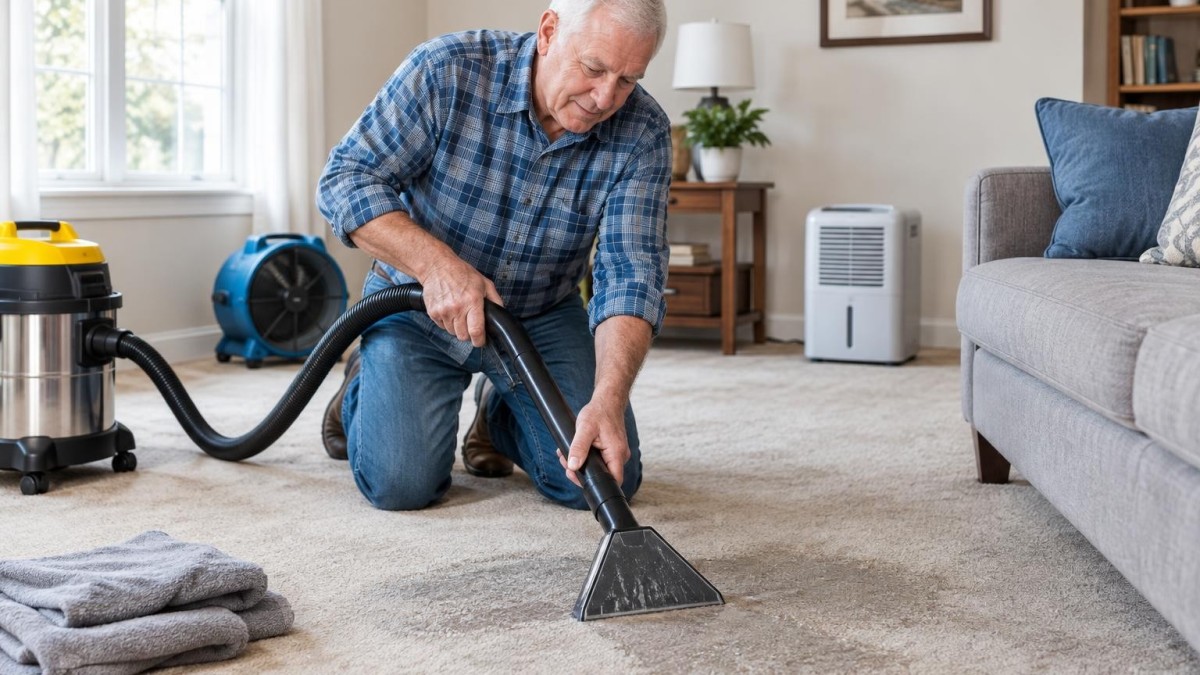
Begin by removing standing water using wet/dry vacuums, absorbent towels, or mops. When using towels, blot gently rather than scrubbing to avoid pushing water deeper into the carpet. Move furniture and belongings out of the way to increase airflow and prevent stains—placing foil or plastic under furniture legs can reduce water absorption.
Enhance ventilation by opening windows and doors if humidity is low, and place fans to blow air across the carpet’s surface. Ceiling fans and air conditioning can also help circulate air. Running a dehumidifier is especially effective in humid conditions, speeding the drying process by removing moisture from the air.
Drying and Checking Below the Surface
If water has soaked through the carpet into the padding, lift a corner to inspect underneath. Use plastic containers or blocks to raise the carpet and allow air to circulate below. Saturated padding often needs to be replaced since it retains moisture longer than the carpet surface.
Consider using carpet extraction or steam cleaning equipment carefully to remove trapped moisture, but avoid over-wetting the carpet. Follow manufacturer instructions and focus on extraction rather than deep cleaning to prevent extending drying time.
Preventing Odors and Monitoring Moisture
To combat musty odors, sprinkle baking soda over damp areas after moisture removal. Let it sit for several hours or overnight, then vacuum once the carpet is dry. For persistent smells, a professional cleaning might be necessary.
Even if the carpet feels dry, moisture can linger underneath. Using a moisture meter to check carpet fibers, padding, subflooring, and nearby walls helps ensure thorough drying and prevents hidden mold growth or structural issues.
When to Call in the Experts
Most minor wet carpet situations can be handled at home, but professional water damage restoration specialists are essential if the affected area is large, water is contaminated, moisture extends to walls or floors, the carpet has been wet over a day, or mold and odors appear. These experts use specialized equipment to fully restore your carpet and home.
With prompt, careful action and proper drying techniques, you can often save a wet carpet and keep your home safe and comfortable. Tailor your response to the specific situation, and never hesitate to seek professional help when needed.
Newsletter Station provides professionally written, ready-to-send newsletters customized for your market and brand.
EXPLORE NEWSLETTER OPTIONS