
FEATURE ARTICLE
Why Mulching Is One of the Best Things You Can Do for Your Lawn
Jun 10, 2026
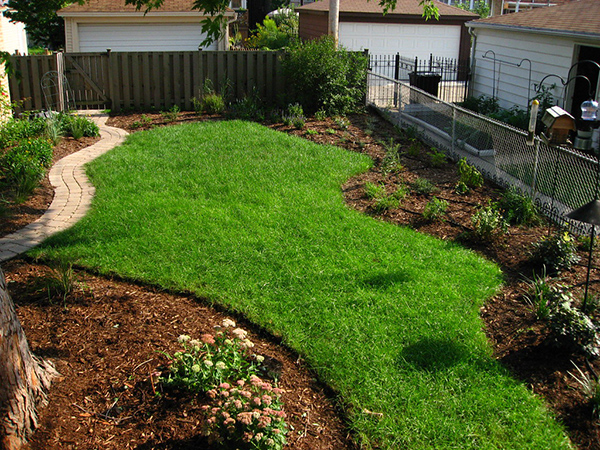
A lush, healthy lawn is a source of pride for many homeowners, but maintaining vibrant grass requires more than regular mowing and watering. One of the most effective yet often overlooked lawn care practices is mulching.
Mulching offers numerous benefits that go beyond improving curb appeal. From conserving water and suppressing weeds to enriching soil and protecting grass roots, mulching is a simple, environmentally friendly solution that can help your lawn thrive year-round.
What Is Mulching?
Mulching involves applying a protective layer of material over the soil surface around plants, trees, garden beds, and lawn areas. This layer acts as a shield, helping regulate soil conditions while supporting healthy plant growth.
Common mulch materials include:
To maximize the benefits of mulching:
Mulching is one of the simplest and most effective ways to promote a healthier, more resilient lawn. It helps retain moisture, suppress weeds, improve soil fertility, regulate temperature, and prevent erosion—all while enhancing the beauty of your outdoor space.
Whether you're maintaining a small backyard or a large landscape, incorporating mulching into your lawn care routine can provide long-term benefits for both your property and the environment. A small investment of time and effort today can help create a greener, healthier lawn for years to come.
Mulching offers numerous benefits that go beyond improving curb appeal. From conserving water and suppressing weeds to enriching soil and protecting grass roots, mulching is a simple, environmentally friendly solution that can help your lawn thrive year-round.
What Is Mulching?
Mulching involves applying a protective layer of material over the soil surface around plants, trees, garden beds, and lawn areas. This layer acts as a shield, helping regulate soil conditions while supporting healthy plant growth.
Common mulch materials include:
- Shredded bark
- Wood chips
- Compost
- Pine needles
- Leaves
- Grass clippings
- Straw
-
Conserves Moisture and Reduces Water Usage
One of the biggest advantages of mulching is its ability to retain soil moisture.
Mulch helps:- Slow water evaporation
- Keep soil moist longer
- Reduce watering frequency
- Protect lawns during drought conditions
-
Naturally Suppresses Weeds
Weeds compete with your lawn for sunlight, nutrients, and water. Left unchecked, they can quickly take over and weaken healthy grass.
Mulch helps prevent weed growth by:- Blocking sunlight from reaching weed seeds
- Limiting weed germination
- Reducing the need for chemical herbicides
-
Improves Soil Health and Fertility
Healthy lawns start with healthy soil.
As organic mulch decomposes, it:- Adds nutrients to the soil
- Increases organic matter
- Encourages beneficial microorganisms
- Improves soil structure
- Enhances nutrient retention
-
Regulates Soil Temperature
Grass roots are sensitive to extreme temperature fluctuations.
Mulch acts as an insulating layer that helps:- Keep soil cooler during summer
- Protect roots from excessive heat
- Reduce temperature swings
- Insulate soil during colder months
-
Prevents Soil Erosion
Heavy rainfall, wind, and irrigation runoff can wash away valuable topsoil and nutrients.
Mulch helps protect the soil surface by:- Reducing water impact
- Slowing runoff
- Holding soil in place
- Preserving valuable nutrients
-
Enhances Lawn Appearance
Beyond its practical benefits, mulch adds a clean, polished look to your landscape.
Fresh mulch can:- Create visual contrast around trees and flower beds
- Define landscape features
- Improve curb appeal
- Give your property a well-maintained appearance
-
Supports Sustainable Lawn Care
Homeowners are increasingly looking for eco-friendly ways to maintain their properties.
Mulching supports sustainable landscaping by:- Conserving water
- Reducing chemical use
- Recycling organic materials
- Improving soil naturally
- Supporting beneficial soil organisms
To maximize the benefits of mulching:
- Apply mulch 2–4 inches deep
- Avoid piling mulch directly against tree trunks
- Refresh organic mulch annually as needed
- Use quality mulch free from contaminants
- Choose mulch types appropriate for your landscape
Mulching is one of the simplest and most effective ways to promote a healthier, more resilient lawn. It helps retain moisture, suppress weeds, improve soil fertility, regulate temperature, and prevent erosion—all while enhancing the beauty of your outdoor space.
Whether you're maintaining a small backyard or a large landscape, incorporating mulching into your lawn care routine can provide long-term benefits for both your property and the environment. A small investment of time and effort today can help create a greener, healthier lawn for years to come.