
FEATURE ARTICLE
Tongue Piercings and Oral Health: Risks to Teeth, Gums, and How to Protect Your Smile
Jun 10, 2026
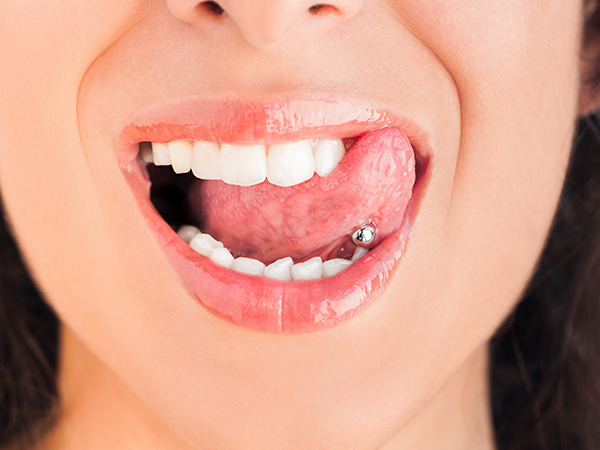
Tongue piercings have become a popular form of self-expression and body modification, especially among younger adults seeking a unique personal style. While they can be visually appealing and meaningful for some individuals, it is important to understand their potential impact on oral health.
Because the tongue is highly sensitive and constantly in motion, a piercing in this area can interact with teeth, gums, and surrounding oral tissues in ways that may lead to long-term dental concerns. Understanding these risks can help you make informed decisions and take preventive steps if you already have a tongue piercing.
Understanding Tongue Piercings
A standard tongue piercing typically involves placing a small metal barbell through the midline of the tongue. The tongue contains a rich network of blood vessels and nerves, which is why it heals relatively quickly but can also be prone to swelling and complications during recovery.
Since the jewelry remains in constant contact with teeth and soft tissues, even subtle movements during speaking, chewing, or sleeping can create repeated friction over time.
How Tongue Piercings Affect Teeth
If you already have a tongue piercing—or are considering one—there are several ways to minimize potential oral health complications.
Tongue piercings can be a form of personal expression, but they come with important oral health considerations. The constant interaction between jewelry, teeth, and gums can increase the risk of enamel damage, gum recession, and infection if not properly managed.
With high-quality jewelry, strong oral hygiene habits, and regular dental checkups, many of these risks can be reduced. However, staying informed and attentive to changes in your oral health is key to protecting your smile.
If you already have a tongue piercing and are concerned about discomfort or dental changes, consulting a dental professional is always the safest course of action.
Because the tongue is highly sensitive and constantly in motion, a piercing in this area can interact with teeth, gums, and surrounding oral tissues in ways that may lead to long-term dental concerns. Understanding these risks can help you make informed decisions and take preventive steps if you already have a tongue piercing.
Understanding Tongue Piercings
A standard tongue piercing typically involves placing a small metal barbell through the midline of the tongue. The tongue contains a rich network of blood vessels and nerves, which is why it heals relatively quickly but can also be prone to swelling and complications during recovery.
Since the jewelry remains in constant contact with teeth and soft tissues, even subtle movements during speaking, chewing, or sleeping can create repeated friction over time.
How Tongue Piercings Affect Teeth
-
Tooth Chipping and Fractures
One of the most common concerns with tongue piercings is mechanical damage to the teeth. The metal jewelry can repeatedly strike the enamel during everyday movements.
This may lead to:- Chipped or cracked teeth
- Weakened enamel over time
- Increased sensitivity
- In severe cases, tooth loss or restoration needs
-
Enamel Wear and Long-Term Damage
Continuous tapping or rubbing of jewelry against teeth can cause enamel erosion. Once enamel is damaged, it cannot regenerate, making prevention especially important.
Long-term effects may include:- Increased risk of cavities
- Tooth sensitivity to hot or cold foods
- Visible wear patterns on front teeth
- How Tongue Piercings Affect Gums
-
Gum Irritation and Recession
Constant contact between piercing jewelry and gum tissue can lead to irritation and inflammation. Over time, this may contribute to gum recession, where the gum tissue pulls away from the tooth surface.
Consequences can include:- Exposed tooth roots
- Increased sensitivity
- Higher risk of gum disease
- Aesthetic changes in the smile
-
Increased Risk of Oral Infection
The mouth naturally contains many bacteria, making tongue piercings more susceptible to infection, especially during the healing phase.
Signs of infection may include:- Swelling and redness
- Persistent pain or tenderness
- Pus or unusual discharge
- Fever in more severe cases
-
Inflammation and Healing Challenges
The initial healing period often involves swelling, discomfort, and difficulty speaking or eating. This can temporarily interfere with brushing and flossing routines, increasing the risk of plaque buildup and gum problems.
If oral hygiene is neglected during this time, conditions such as gingivitis may develop more easily. -
Allergic Reactions
Some individuals may experience sensitivity or allergic reactions to certain metals used in piercing jewelry, especially lower-quality materials.
Symptoms may include:- Local irritation
- Swelling
- Persistent discomfort
-
Speech and Chewing Issues
Tongue jewelry can sometimes interfere with normal oral function, especially when first inserted or if improperly sized. This may affect speech clarity and chewing efficiency until adjustment occurs.
If you already have a tongue piercing—or are considering one—there are several ways to minimize potential oral health complications.
- Choose Safe, High-Quality Jewelry
- Opt for implant-grade titanium or surgical stainless steel
- Avoid low-quality or unknown metal alloys
- Ensure proper sizing to reduce excess movement
- Maintain Excellent Oral Hygiene
- Brush at least twice daily with a soft-bristled toothbrush
- Clean the tongue gently, including around the piercing
- Floss daily to reduce plaque buildup
- Use alcohol-free antibacterial mouthwash
- Schedule Regular Dental Visits
- Be Mindful of Daily Habits
- Avoid playing with or clicking the jewelry against teeth
- Be cautious while eating hard or crunchy foods
- Reduce unnecessary movement of the piercing
- Watch for Warning Signs
- Persistent pain or swelling
- Tooth sensitivity or visible damage
- Bleeding gums or recession
- Signs of infection
Tongue piercings can be a form of personal expression, but they come with important oral health considerations. The constant interaction between jewelry, teeth, and gums can increase the risk of enamel damage, gum recession, and infection if not properly managed.
With high-quality jewelry, strong oral hygiene habits, and regular dental checkups, many of these risks can be reduced. However, staying informed and attentive to changes in your oral health is key to protecting your smile.
If you already have a tongue piercing and are concerned about discomfort or dental changes, consulting a dental professional is always the safest course of action.