
FEATURE ARTICLE
How to Get Rid of Fleas on Dogs: Effective Prevention and Treatment Tips
Jun 10, 2026
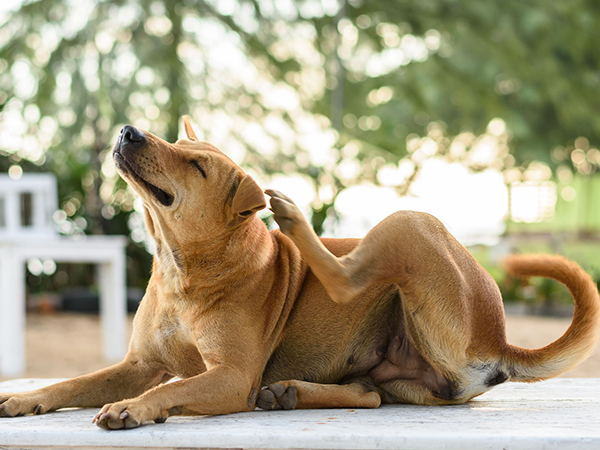
Fleas are among the most common and frustrating pests that affect dogs. These tiny parasites may seem like a minor nuisance at first, but they can quickly become a serious problem if left untreated. Fleas can cause intense itching, skin irritation, allergic reactions, and, in severe cases, anemia or the transmission of certain diseases and parasites.
As a responsible pet owner, taking proactive steps to prevent and eliminate fleas is essential for your dog's health and comfort. Fortunately, a combination of regular grooming, environmental management, and veterinarian-approved flea prevention can help keep your canine companion flea-free year-round.
The most successful flea control plans focus on prevention rather than reaction. Consider these best practices:
Fleas can quickly become a frustrating and uncomfortable problem for both dogs and their owners. Fortunately, with consistent grooming, regular cleaning, effective flea-prevention products, and proper environmental management, you can protect your pet from infestations.
The key to long-term success is staying proactive. By identifying flea problems early and maintaining a preventive routine year-round, you can help keep your dog healthy, comfortable, and free from unwanted pests.
As a responsible pet owner, taking proactive steps to prevent and eliminate fleas is essential for your dog's health and comfort. Fortunately, a combination of regular grooming, environmental management, and veterinarian-approved flea prevention can help keep your canine companion flea-free year-round.
-
Make Regular Grooming a Priority
Routine grooming is one of the simplest and most effective ways to monitor your dog for fleas. Brushing your dog's coat regularly allows you to spot fleas, flea dirt, or signs of skin irritation before an infestation becomes severe.
Using a flea comb can be especially helpful for detecting fleas hidden deep within the coat. Regular grooming also helps remove loose hair, dirt, and flea eggs before they can develop into adult fleas.
Bathing your dog occasionally with a veterinarian-recommended flea shampoo may provide additional relief during an active infestation. However, grooming should be combined with other prevention methods for the best results. -
Vacuum and Clean Your Home Thoroughly
Many pet owners focus solely on treating their dog, but fleas spend a significant portion of their life cycle in the environment. Eggs, larvae, and pupae can be found throughout your home, making environmental treatment critical.
Pay special attention to:- Carpets and rugs
- Upholstered furniture
- Pet sleeping areas
- Baseboards and cracks
- Vehicle interiors where pets travel
-
Wash Bedding, Blankets, and Toys Regularly
Your dog's favorite sleeping spots can become breeding grounds for fleas if not cleaned regularly.
Wash pet bedding, blankets, soft toys, and removable furniture covers in hot water whenever possible. High temperatures help eliminate fleas, eggs, and larvae that may be hiding in fabrics.
Maintaining a clean environment not only supports flea control but also promotes a healthier living space for both pets and family members. -
Use Veterinarian-Recommended Flea Prevention Products
Modern flea prevention products are more effective and convenient than ever. Options include:- Topical treatments
- Oral flea medications
- Flea collars
- Flea sprays
- Combination parasite prevention products
Because every dog has unique health needs, consult your veterinarian before choosing a flea prevention product. Factors such as age, breed, weight, lifestyle, and existing medical conditions should all be considered when selecting the most appropriate treatment. -
Treat Your Yard and Outdoor Spaces
Fleas can thrive in outdoor environments, especially in shaded, moist areas where pets spend time.
To reduce flea activity outdoors:- Keep grass trimmed short
- Remove leaf piles and yard debris
- Limit areas with excessive moisture
- Maintain landscaping around the home
- Consider pet-safe yard treatments when necessary
By reducing flea habitats around your property, you can decrease the likelihood of fleas making their way indoors. -
Be Cautious in High-Risk Areas
Dogs can pick up fleas anywhere other animals frequent. While socialization and exercise remain important, it's wise to remain aware of environments where flea exposure may be higher.
Potential high-risk areas include:- Dog parks
- Boarding facilities
- Animal shelters
- Grooming facilities
- Outdoor events with large numbers of pets
-
Know the Signs of a Flea Problem
Early detection makes flea treatment far easier and more effective.
Watch for common symptoms such as:- Excessive scratching or biting
- Hair loss
- Red or irritated skin
- Restlessness
- Flea dirt (small black specks resembling pepper)
- Visible fleas moving through the coat
-
Seek Professional Assistance When Needed
Sometimes a flea infestation becomes too extensive for home treatment alone. If you've consistently used preventative measures and continue to struggle with fleas, professional help may be needed.
Your veterinarian can:- Confirm the presence of fleas
- Recommend stronger treatment options
- Address flea-related skin conditions
- Develop a customized prevention plan
The most successful flea control plans focus on prevention rather than reaction. Consider these best practices:
- Keep pets on year-round flea prevention.
- Inspect pets after outdoor activities.
- Maintain a consistent cleaning schedule.
- Schedule regular veterinary wellness visits.
- Treat all pets in the household when fleas are present.
Fleas can quickly become a frustrating and uncomfortable problem for both dogs and their owners. Fortunately, with consistent grooming, regular cleaning, effective flea-prevention products, and proper environmental management, you can protect your pet from infestations.
The key to long-term success is staying proactive. By identifying flea problems early and maintaining a preventive routine year-round, you can help keep your dog healthy, comfortable, and free from unwanted pests.