
Understanding Animal Threats to Your Trees
Trees enhance the beauty and value of any outdoor space, offering shade, oxygen, and a natural habitat. Yet, they often face threats from local wildlife and pets that can cause significant harm. From nibbling deer to bark-chewing rodents, these creatures can weaken trees, slow their growth, and increase vulnerability to diseases.
Effective Protective Measures
Identifying which animals are causing damage is crucial for selecting the right protection. Deer tend to browse on leaves and buds, rabbits chew bark near the base of trees, and rodents often target roots and lower trunks. Squirrels can strip bark, while raccoons may damage branches when climbing. Even pets like dogs can harm bark and compact soil around tree roots.
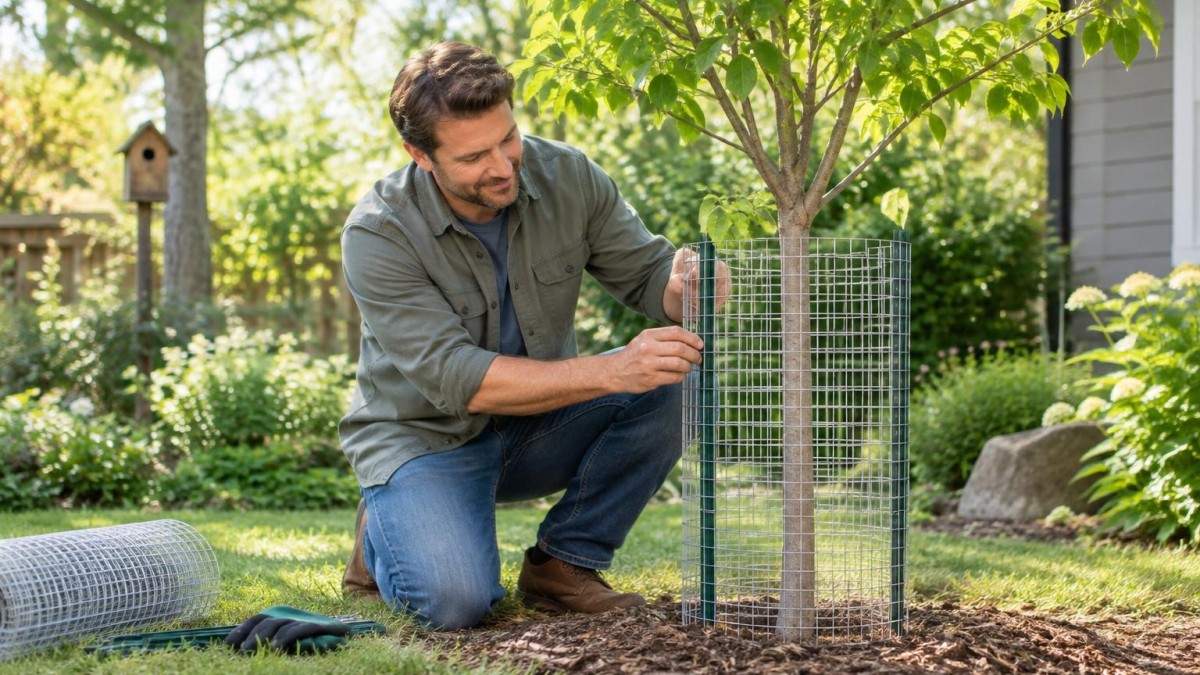
Physical barriers offer a dependable defense. For younger trees, consider using tree guards or trunk wraps to prevent bark chewing, or wire mesh cylinders to keep rabbits and rodents at bay. Deer fencing can safeguard groups of trees, and protective cages shield saplings during vulnerable early stages. Regularly check and adjust these barriers to prevent restricting tree growth.
Choosing tree species less appealing to wildlife also helps reduce damage. Trees like cedar, spruce, cypress, holly, and certain pines are typically avoided by many animals. Consulting with local arborists can guide you to the best choices for your area and enhance your landscape’s resilience.
Animal repellents, often made from natural ingredients like garlic, hot pepper extracts, or essential oils, can discourage feeding. When using them, carefully follow instructions, reapply after rain, and rotate different types to maintain effectiveness. Though best combined with physical barriers, repellents are a useful part of a comprehensive protection plan.
Maintaining Tree Health and Surroundings
Regular pruning strengthens trees by removing weak or damaged branches, improving air circulation, and minimizing easy access for climbing animals. Keeping branches trimmed away from roofs and other structures reduces pathways for wildlife.
Keeping your yard clean also helps deter animals. Remove fallen fruit, nuts, and seeds promptly, clear brush and debris, secure compost bins, and store pet food and birdseed properly. Minimizing available food and shelter lowers wildlife presence near your trees.
Humane deterrents like motion-activated sprinklers, lights, reflective ornaments, and wind chimes can discourage animals without harm, especially when combined with other methods.
Supporting a balanced ecosystem encourages natural predators such as birds of prey and owls, which help control rodent populations that damage trees. Installing birdhouses and providing nesting habitats enhance this natural balance.
Finally, regular monitoring of your trees helps you spot early signs of damage like missing bark, chewed branches, or unusual leaf loss. Prompt attention to issues can prevent minor damage from worsening.
By combining these strategies—protective barriers, smart planting, repellents, maintenance, and monitoring—you can effectively protect your trees, ensuring they remain healthy and vibrant features of your landscape for years to come.
Newsletter Station provides professionally written, ready-to-send newsletters customized for your market and brand.
EXPLORE NEWSLETTER OPTIONS