
FEATURE ARTICLE
Feng Shui Tips for Creating a Balanced and Harmonious Home
Jun 10, 2026
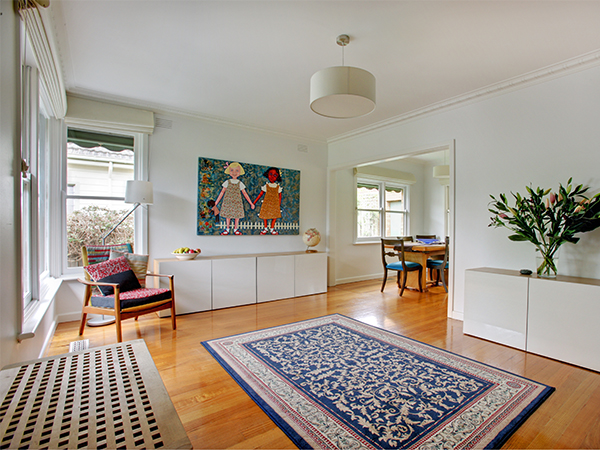
In today's busy world, our homes serve as more than just places to eat and sleep—they are spaces where we recharge, relax, and connect with loved ones. Creating a peaceful and welcoming environment can have a significant impact on our mood, productivity, and overall well-being.
One approach that has helped homeowners design more balanced living spaces for centuries is Feng Shui. Rooted in ancient Chinese philosophy, Feng Shui focuses on arranging your environment to encourage the smooth flow of energy, often referred to as "chi." While modern Feng Shui has evolved, its core principles continue to inspire homeowners seeking greater comfort, balance, and harmony in their living spaces.
Whether you're redesigning an entire home or simply refreshing a room, these Feng Shui decorating tips can help create a more positive and inviting atmosphere.
Start by Clearing Clutter
One of the foundational principles of Feng Shui is eliminating clutter. Excess belongings can make a space feel crowded, stressful, and disorganized, potentially disrupting the flow of energy throughout the home.
Take time to evaluate each room and remove items that no longer serve a purpose or bring you joy. Organize storage areas, clear countertops, and create open spaces wherever possible.
A clutter-free environment often feels calmer, more spacious, and easier to maintain while allowing positive energy to circulate more freely.
Understand the Bagua Map
The Bagua Map is a key Feng Shui tool used to identify different areas of life represented within your home. These areas typically relate to aspects such as:
While interpretations may vary among Feng Shui practitioners, the Bagua Map remains a useful framework for creating intentional living spaces.
Maximize Natural Light
Natural light is often associated with vitality, positivity, and growth in Feng Shui.
Open curtains and blinds during the day whenever possible to let sunlight into your home. Clean windows regularly to maximize brightness and strengthen the connection to the outdoors.
If certain rooms receive limited natural light, consider layered lighting with floor lamps, table lamps, and warm LED bulbs to create a welcoming atmosphere.
Bright, well-lit spaces tend to feel more open, uplifting, and inviting.
Improve Air Quality
Fresh air plays an important role in creating a healthy and comfortable home environment.
Whenever weather permits, open windows to encourage air circulation. Indoor plants can also contribute to a fresher atmosphere while adding natural beauty to your décor.
Popular houseplants often used in Feng Shui-inspired spaces include:
Balance the Five Feng Shui Elements
Feng Shui incorporates five natural elements that work together to create balance:
Wood
Represents growth, vitality, and creativity.
Examples:
Examples:
Examples:
Examples:
Examples:
Choose Colors Intentionally
Color can significantly influence the mood and feel of a room.
Soft blues and greens are often associated with calmness and relaxation, making them excellent choices for bedrooms and reading areas.
Warm tones such as reds, oranges, and yellows can add energy and vibrancy to gathering spaces like kitchens and living rooms.
Neutral colors help create balance and flexibility while providing a timeless backdrop for décor.
Rather than following strict rules, select colors that align with both your personal preferences and the atmosphere you want to create.
Arrange Furniture for Better Flow
Furniture placement plays a major role in Feng Shui.
Aim to create clear pathways throughout each room and avoid blocking doorways or major walking routes. Arrange seating to encourage conversation and connection while maintaining a sense of openness.
Whenever possible:
Create a Relaxing Bedroom
The bedroom is one of the most important areas in Feng Shui because it directly affects rest and recovery.
To create a peaceful retreat:
Use Mirrors Strategically
Mirrors can enhance light, create a sense of spaciousness, and reflect positive energy throughout a room.
However, placement matters. Consider positioning mirrors where they reflect attractive views, natural light, or beautiful décor features.
Avoid placing mirrors where they create visual clutter or contribute to feelings of restlessness. Thoughtful placement helps maximize their benefits while maintaining balance.
Personalize Your Space
While Feng Shui provides useful design principles, your home should still reflect your personality and lifestyle.
Display meaningful artwork, family photographs, treasured keepsakes, and décor that brings you happiness. Personal touches help create emotional comfort and make a house feel like home.
The most successful Feng Shui-inspired spaces combine balance and functionality with authenticity and personal expression.
Feng Shui offers a thoughtful approach to creating a home that feels balanced, peaceful, and welcoming. By reducing clutter, maximizing natural light, incorporating natural elements, choosing colors intentionally, and arranging furniture thoughtfully, you can create a space that supports comfort and well-being.
Whether you embrace every Feng Shui principle or adopt a few key ideas, small changes can make a meaningful difference in how your home looks and feels. The goal is not perfection but creating an environment that promotes harmony, relaxation, and positive energy for everyone who lives there.
One approach that has helped homeowners design more balanced living spaces for centuries is Feng Shui. Rooted in ancient Chinese philosophy, Feng Shui focuses on arranging your environment to encourage the smooth flow of energy, often referred to as "chi." While modern Feng Shui has evolved, its core principles continue to inspire homeowners seeking greater comfort, balance, and harmony in their living spaces.
Whether you're redesigning an entire home or simply refreshing a room, these Feng Shui decorating tips can help create a more positive and inviting atmosphere.
Start by Clearing Clutter
One of the foundational principles of Feng Shui is eliminating clutter. Excess belongings can make a space feel crowded, stressful, and disorganized, potentially disrupting the flow of energy throughout the home.
Take time to evaluate each room and remove items that no longer serve a purpose or bring you joy. Organize storage areas, clear countertops, and create open spaces wherever possible.
A clutter-free environment often feels calmer, more spacious, and easier to maintain while allowing positive energy to circulate more freely.
Understand the Bagua Map
The Bagua Map is a key Feng Shui tool used to identify different areas of life represented within your home. These areas typically relate to aspects such as:
- Health and wellness
- Career and life path
- Relationships
- Family
- Wealth and prosperity
- Creativity
- Knowledge and personal growth
- Reputation and recognition
- Helpful people and travel
While interpretations may vary among Feng Shui practitioners, the Bagua Map remains a useful framework for creating intentional living spaces.
Maximize Natural Light
Natural light is often associated with vitality, positivity, and growth in Feng Shui.
Open curtains and blinds during the day whenever possible to let sunlight into your home. Clean windows regularly to maximize brightness and strengthen the connection to the outdoors.
If certain rooms receive limited natural light, consider layered lighting with floor lamps, table lamps, and warm LED bulbs to create a welcoming atmosphere.
Bright, well-lit spaces tend to feel more open, uplifting, and inviting.
Improve Air Quality
Fresh air plays an important role in creating a healthy and comfortable home environment.
Whenever weather permits, open windows to encourage air circulation. Indoor plants can also contribute to a fresher atmosphere while adding natural beauty to your décor.
Popular houseplants often used in Feng Shui-inspired spaces include:
- Peace lilies
- Snake plants
- Pothos
- Bamboo palms
- Spider plants
Balance the Five Feng Shui Elements
Feng Shui incorporates five natural elements that work together to create balance:
Wood
Represents growth, vitality, and creativity.
Examples:
- Wooden furniture
- Houseplants
- Green accents
- Fire
Examples:
- Candles
- Warm lighting
- Red, orange, or purple accents
- Earth
Examples:
- Stone décor
- Ceramics
- Neutral and earthy color palettes
- Metal
Examples:
- Metallic décor
- Metal frames
- White and gray tones
- Water
Examples:
- Mirrors
- Water features
- Blue and black accents
Choose Colors Intentionally
Color can significantly influence the mood and feel of a room.
Soft blues and greens are often associated with calmness and relaxation, making them excellent choices for bedrooms and reading areas.
Warm tones such as reds, oranges, and yellows can add energy and vibrancy to gathering spaces like kitchens and living rooms.
Neutral colors help create balance and flexibility while providing a timeless backdrop for décor.
Rather than following strict rules, select colors that align with both your personal preferences and the atmosphere you want to create.
Arrange Furniture for Better Flow
Furniture placement plays a major role in Feng Shui.
Aim to create clear pathways throughout each room and avoid blocking doorways or major walking routes. Arrange seating to encourage conversation and connection while maintaining a sense of openness.
Whenever possible:
- Avoid overcrowding rooms with furniture.
- Ensure chairs and sofas have adequate space around them.
- Position key furniture pieces so occupants can comfortably see room entrances.
Create a Relaxing Bedroom
The bedroom is one of the most important areas in Feng Shui because it directly affects rest and recovery.
To create a peaceful retreat:
- Position the bed where you can see the doorway without being directly in line with it.
- Choose calming colors and soft textures.
- Minimize electronic devices when possible.
- Use comfortable bedding and supportive furniture.
- Keep clutter to a minimum.
Use Mirrors Strategically
Mirrors can enhance light, create a sense of spaciousness, and reflect positive energy throughout a room.
However, placement matters. Consider positioning mirrors where they reflect attractive views, natural light, or beautiful décor features.
Avoid placing mirrors where they create visual clutter or contribute to feelings of restlessness. Thoughtful placement helps maximize their benefits while maintaining balance.
Personalize Your Space
While Feng Shui provides useful design principles, your home should still reflect your personality and lifestyle.
Display meaningful artwork, family photographs, treasured keepsakes, and décor that brings you happiness. Personal touches help create emotional comfort and make a house feel like home.
The most successful Feng Shui-inspired spaces combine balance and functionality with authenticity and personal expression.
Feng Shui offers a thoughtful approach to creating a home that feels balanced, peaceful, and welcoming. By reducing clutter, maximizing natural light, incorporating natural elements, choosing colors intentionally, and arranging furniture thoughtfully, you can create a space that supports comfort and well-being.
Whether you embrace every Feng Shui principle or adopt a few key ideas, small changes can make a meaningful difference in how your home looks and feels. The goal is not perfection but creating an environment that promotes harmony, relaxation, and positive energy for everyone who lives there.