
FEATURE ARTICLE
Essential Car Fluids Every Vehicle Owner Should Check Regularly
Jun 10, 2026
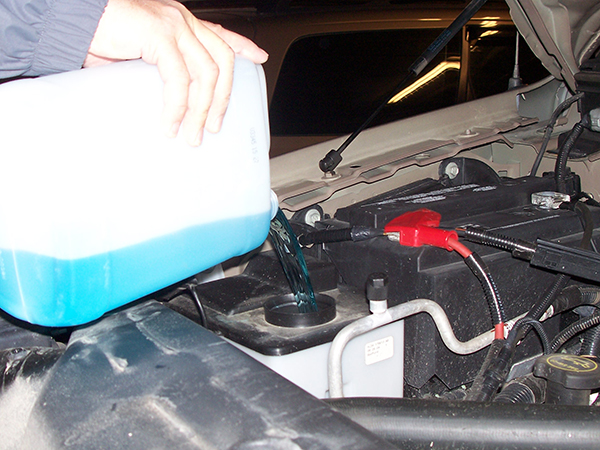
Keeping your vehicle in top condition requires more than routine oil changes and tire rotations. One of the most important—and often overlooked—aspects of car maintenance is monitoring your vehicle's fluids. These fluids help critical systems function properly, improve performance, and protect expensive components from unnecessary wear.
By checking key fluids regularly, you can catch potential issues early, avoid costly repairs, and help ensure your vehicle remains safe and reliable for years to come.
Why Checking Car Fluids Matters
Your vehicle relies on several fluids to lubricate moving parts, regulate temperature, transfer power, and maintain visibility. Low, contaminated, or neglected fluids can lead to decreased performance, reduced fuel efficiency, and even major mechanical failures.
Benefits of regular fluid inspections include:
Depending on your vehicle, you may also want to inspect periodically:
Create a Simple Maintenance Schedule
A monthly fluid check only takes a few minutes and can save hundreds—or even thousands—of dollars in future repairs.
Consider checking:
Regularly checking your vehicle's fluids is one of the easiest and most effective ways to protect your investment. Engine oil, coolant, brake fluid, power steering fluid, transmission fluid, and windshield washer fluid all play critical roles in your vehicle's performance and safety.
By making fluid inspections part of your routine maintenance schedule, you can reduce the risk of breakdowns, improve reliability, and extend your vehicle's lifespan. A few minutes spent checking fluids today can help prevent major repairs tomorrow.
By checking key fluids regularly, you can catch potential issues early, avoid costly repairs, and help ensure your vehicle remains safe and reliable for years to come.
Why Checking Car Fluids Matters
Your vehicle relies on several fluids to lubricate moving parts, regulate temperature, transfer power, and maintain visibility. Low, contaminated, or neglected fluids can lead to decreased performance, reduced fuel efficiency, and even major mechanical failures.
Benefits of regular fluid inspections include:
- Improved vehicle performance
- Enhanced safety on the road
- Extended engine and component life
- Reduced repair costs
- Better fuel efficiency
- Increased vehicle reliability
-
Engine Oil
Engine oil is often considered the lifeblood of your vehicle. It lubricates internal engine components, reduces friction, minimizes wear, and helps control operating temperatures.
How to Check It- Park on a level surface.
- Turn off the engine and allow it to cool.
- Remove the dipstick and wipe it clean.
- Reinsert the dipstick fully and remove it again.
- Check the oil level and condition.
- Low oil levels
- Dark, gritty, or sludgy oil
- Burning oil smell
- Dashboard oil warning light
-
Coolant (Antifreeze)
Coolant regulates engine temperature and protects against overheating in summer and freezing temperatures in winter. Modern coolant also helps prevent corrosion inside the cooling system.
How to Check It
Locate the coolant reservoir and verify the fluid level is between the minimum and maximum markings.
Important: Never remove the radiator cap while the engine is hot.
Signs of a Problem- Engine overheating
- Coolant leaks under the vehicle
- Sweet smell from the engine compartment
- Low coolant warning light
-
Brake Fluid
Brake fluid transfers pressure from the brake pedal to the braking system. Without sufficient brake fluid, your stopping ability can be compromised.
How to Check It
Locate the brake fluid reservoir under the hood and verify the fluid level falls within the recommended range.
Warning Signs- Soft or spongy brake pedal
- Brake warning light
- Reduced braking performance
- Fluid levels dropping unexpectedly
-
Power Steering Fluid
For vehicles equipped with hydraulic power steering systems, power steering fluid helps deliver smooth, responsive steering.
How to Check It
Locate the power steering reservoir and ensure the fluid level remains within the indicated range.
Signs of Low Fluid- Difficulty turning the steering wheel
- Whining noises when steering
- Fluid leaks near the front of the vehicle
-
Transmission Fluid
Transmission fluid lubricates transmission components and helps facilitate smooth shifting.
Why It's Important
Neglected transmission fluid can lead to rough shifting, overheating, and expensive transmission repairs.
Check for:- Proper fluid level
- Clean, red or pink fluid appearance
- No burnt odor
-
Windshield Washer Fluid
While it doesn't directly affect vehicle performance, windshield washer fluid is essential for maintaining visibility and driving safely.
Keep It Filled
Regularly top off washer fluid, especially before:- Long road trips
- Winter driving
- Bug-heavy summer travel
- Rainy seasons
Depending on your vehicle, you may also want to inspect periodically:
- Differential fluid
- Transfer case fluid (for four-wheel-drive vehicles)
- Clutch fluid
- Battery electrolyte levels (for serviceable batteries)
Create a Simple Maintenance Schedule
A monthly fluid check only takes a few minutes and can save hundreds—or even thousands—of dollars in future repairs.
Consider checking:
- Engine oil: Monthly
- Coolant: Monthly
- Brake fluid: Every few months
- Power steering fluid: Every few months
- Transmission fluid: As recommended by manufacturer
- Washer fluid: As needed
Regularly checking your vehicle's fluids is one of the easiest and most effective ways to protect your investment. Engine oil, coolant, brake fluid, power steering fluid, transmission fluid, and windshield washer fluid all play critical roles in your vehicle's performance and safety.
By making fluid inspections part of your routine maintenance schedule, you can reduce the risk of breakdowns, improve reliability, and extend your vehicle's lifespan. A few minutes spent checking fluids today can help prevent major repairs tomorrow.