
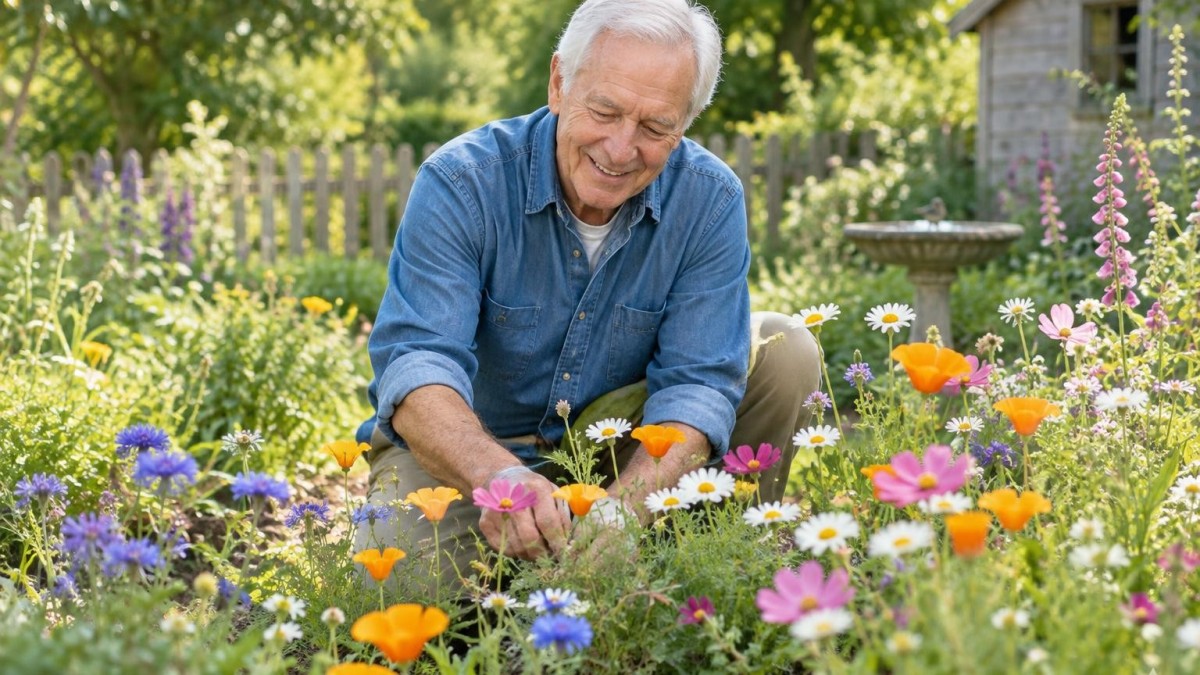
Effortless Beauty with Self-Seeding Flowers
Imagine a backyard that bursts with vibrant color and humming life, where flowers naturally return each year without the need for replanting. Self-seeding flowers offer exactly that—a low-maintenance way to enjoy a lively, thriving garden filled with blooms that support local pollinators and create a charming, natural atmosphere.
These plants are ideal for busy gardeners or anyone who prefers a sustainable and eco-friendly landscape. Once established, they drop seeds that sprout in future seasons, often flourishing and spreading with minimal care. They help reduce watering needs and fill in bare spots, contributing to a healthy, balanced outdoor space.
Top Self-Seeding Flowers to Consider
• Nigella (Love-in-a-Mist): Known for airy, delicate blooms in blues and pinks, Nigella’s decorative seed pods also add interest after flowering.
• California Poppy: Bright orange and yellow flowers that thrive in poor soil and sun, great for dry landscaping and attracting pollinators.
• Cosmos: Easy to grow with soft, daisy-like flowers in various colors, blooming late into the season and drawing butterflies.
• Lupine: Tall, colorful flower spikes that improve soil nitrogen levels and attract bees and hummingbirds.
• Columbine: Unique bell-shaped flowers in vibrant shades, perfect for shaded areas and hummingbird gardens.
• Forget-Me-Nots: Tiny blue clusters that produce soft carpets of color, especially good for shaded, moist spots.
• Foxglove: Dramatic spikes in pinks and purples that thrive in partial shade and draw hummingbirds and bees.
• Black-Eyed Susan: Cheerful yellow flowers with dark centers that tolerate heat and drought, ideal for longer bloom seasons.
• Sweet Alyssum: Small, fragrant clusters great for ground cover or garden edges, popular with pollinators.
• Mullein: Tall yellow spikes and silvery leaves, drought-tolerant and loved by beneficial insects.
• Oriental Poppies: Bold, large blooms in reds and pinks creating striking garden focal points.
• Oxeye Daisy: Classic white and yellow wildflower look that spreads easily for a countryside feel.
• Shirley Poppy: Soft, pastel tissue-like petals lending gentle movement and romantic charm.
• Verbena Bonariensis: Tall stems topped with purple flowers, perfect for adding height and attracting butterflies.
• Bachelor’s Button (Cornflower): Bright blue and other colorful flowers that reseed readily, great for cutting gardens.
Maintaining a Healthy Self-Seeding Garden
Even though these flowers are low-maintenance, a few tips can help your garden stay healthy and visually balanced. Let seed heads mature before deadheading so plants can naturally reseed. Thin crowded seedlings in spring to keep air flowing and reduce competition. Mixing a variety of flowers encourages biodiversity and staggered blooming.
Selecting species suited to your local climate and soil helps prevent invasive growth and supports native pollinators. Mulching young plants conserves moisture and suppresses weeds, encouraging stronger growth.
Enjoy a Vibrant, Sustainable Outdoor Space
Choosing self-seeding flowers means your garden can flourish with minimal effort, offering continuous blooms and vital habitat for bees, butterflies, and hummingbirds. This approach supports sustainable gardening by cutting down on planting work, watering, and chemical use.
Whether you prefer a wildflower meadow, a classic cottage garden, or a pollinator-focused landscape, self-seeding flowers provide natural beauty that renews itself year after year. Embracing these resilient plants lets you create a backyard oasis that feels alive, welcoming, and full of seasonal charm with less fuss.
Newsletter Station provides professionally written, ready-to-send newsletters customized for your market and brand.
EXPLORE NEWSLETTER OPTIONS