
FEATURE ARTICLE
Why Is My Dog or Cat Coughing? Common Causes and When to See a Veterinarian
Jun 3, 2026
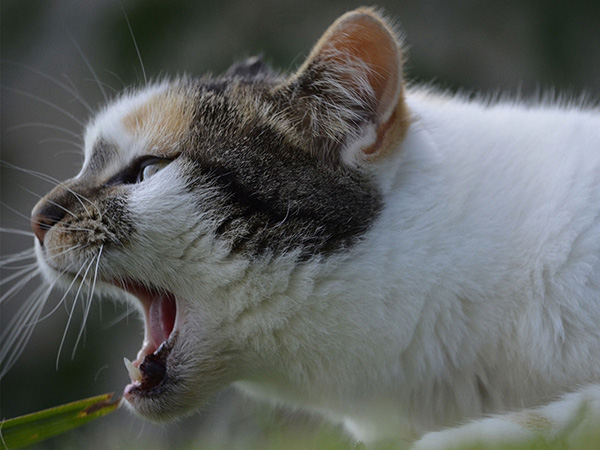
We all know that a persistent cough can be bothersome—not only for people but also for our beloved pets. If you've ever heard your dog or cat coughing, it's natural to wonder what might be causing it. While an occasional cough may be harmless, frequent or persistent coughing can signal an underlying health issue that requires attention.
Coughing in pets can stem from a variety of causes, ranging from minor irritations and allergies to more serious conditions affecting the respiratory system or heart. Understanding the potential causes can help you recognize when it's time to seek veterinary care and take steps to support your pet's overall health.
Respiratory Infections
Respiratory infections are among the most common causes of coughing in both dogs and cats. Viruses, bacteria, or both may cause these infections and can affect either the upper or lower respiratory tract.
Common respiratory illnesses include:
Because respiratory infections can spread quickly and sometimes worsen without treatment, it's important to contact your veterinarian if symptoms persist or worsen.
Allergies and Environmental Irritants
Just like humans, pets can develop allergies that affect their respiratory systems. Exposure to allergens or irritants may trigger coughing, sneezing, and throat irritation.
Common triggers include:
Heart Disease
Coughing can sometimes be linked to heart disease, particularly in older dogs and cats. When the heart is unable to pump blood efficiently, fluid may accumulate in or around the lungs, leading to coughing and breathing difficulties.
Signs that may accompany a heart-related cough include:
Collapsing Trachea
A collapsing trachea is a condition most commonly seen in small dog breeds such as Chihuahuas, Yorkshire Terriers, Pomeranians, and Toy Poodles.
The trachea, or windpipe, is supported by cartilage rings. Over time, these rings can weaken and flatten, causing partial airway obstruction. This often produces a distinctive honking cough that may worsen with excitement, exercise, collar pulling, or hot weather.
Treatment options vary depending on severity and may include:
Foreign Objects and Airway Irritation
Dogs and cats are naturally curious, which can sometimes lead them to inhale or swallow objects that irritate their throats or airways.
Potential causes include:
Chronic Bronchitis and Asthma
Chronic respiratory conditions can also cause recurring coughing episodes.
In dogs, chronic bronchitis causes inflammation of the airways, leading to a persistent cough lasting several weeks or longer. In cats, asthma is a common respiratory condition that can trigger coughing, wheezing, and breathing difficulties.
Symptoms may include:
Parasites and Other Medical Conditions
Certain parasites can affect the respiratory system and cause coughing in pets.
Examples include:
Other less common causes of coughing may include tumors, throat disorders, laryngeal conditions, or immune-related diseases. A thorough veterinary examination can help determine the underlying cause.
When Should You See a Veterinarian?
While an occasional cough may not be cause for concern, you should schedule a veterinary appointment if your pet experiences:
Helping Keep Your Pet Healthy
Many causes of coughing can be reduced through preventive care and healthy lifestyle habits. Regular veterinary checkups, vaccinations, parasite prevention, proper nutrition, and a clean living environment all contribute to better respiratory health.
Avoid exposing pets to cigarette smoke, strong chemical odors, and environmental irritants whenever possible. Maintaining a healthy weight and keeping up with routine wellness exams can also help detect potential health concerns before symptoms become severe.
A Cough Is Worth Paying Attention To
A cough in your dog or cat should never be ignored. While some causes may be relatively minor, others can indicate underlying respiratory, cardiac, or systemic health issues that require professional attention.
By recognizing common causes of coughing and knowing when to seek veterinary care, you can help protect your pet's health and well-being. Early diagnosis and treatment often lead to better outcomes, allowing your furry companion to stay comfortable, active, and happy for years to come.
Coughing in pets can stem from a variety of causes, ranging from minor irritations and allergies to more serious conditions affecting the respiratory system or heart. Understanding the potential causes can help you recognize when it's time to seek veterinary care and take steps to support your pet's overall health.
Respiratory Infections
Respiratory infections are among the most common causes of coughing in both dogs and cats. Viruses, bacteria, or both may cause these infections and can affect either the upper or lower respiratory tract.
Common respiratory illnesses include:
- Kennel cough in dogs
- Canine influenza
- Feline upper respiratory infections
- Bronchitis
- Pneumonia
Because respiratory infections can spread quickly and sometimes worsen without treatment, it's important to contact your veterinarian if symptoms persist or worsen.
Allergies and Environmental Irritants
Just like humans, pets can develop allergies that affect their respiratory systems. Exposure to allergens or irritants may trigger coughing, sneezing, and throat irritation.
Common triggers include:
- Pollen
- Dust mites
- Mold spores
- Smoke
- Air fresheners
- Cleaning products
- Certain foods
Heart Disease
Coughing can sometimes be linked to heart disease, particularly in older dogs and cats. When the heart is unable to pump blood efficiently, fluid may accumulate in or around the lungs, leading to coughing and breathing difficulties.
Signs that may accompany a heart-related cough include:
- Fatigue
- Reduced exercise tolerance
- Rapid breathing
- Difficulty breathing
- Restlessness
- Decreased appetite
Collapsing Trachea
A collapsing trachea is a condition most commonly seen in small dog breeds such as Chihuahuas, Yorkshire Terriers, Pomeranians, and Toy Poodles.
The trachea, or windpipe, is supported by cartilage rings. Over time, these rings can weaken and flatten, causing partial airway obstruction. This often produces a distinctive honking cough that may worsen with excitement, exercise, collar pulling, or hot weather.
Treatment options vary depending on severity and may include:
- Weight management
- Cough suppressants
- Anti-inflammatory medications
- Harnesses instead of collars
- Surgical intervention in severe cases
Foreign Objects and Airway Irritation
Dogs and cats are naturally curious, which can sometimes lead them to inhale or swallow objects that irritate their throats or airways.
Potential causes include:
- Grass blades
- Small toys
- Plant material
- Food particles
- Hairballs in cats
Chronic Bronchitis and Asthma
Chronic respiratory conditions can also cause recurring coughing episodes.
In dogs, chronic bronchitis causes inflammation of the airways, leading to a persistent cough lasting several weeks or longer. In cats, asthma is a common respiratory condition that can trigger coughing, wheezing, and breathing difficulties.
Symptoms may include:
- Frequent coughing
- Wheezing
- Labored breathing
- Reduced activity levels
- Increased respiratory effort
Parasites and Other Medical Conditions
Certain parasites can affect the respiratory system and cause coughing in pets.
Examples include:
- Heartworms
- Lungworms
- Certain fungal infections
Other less common causes of coughing may include tumors, throat disorders, laryngeal conditions, or immune-related diseases. A thorough veterinary examination can help determine the underlying cause.
When Should You See a Veterinarian?
While an occasional cough may not be cause for concern, you should schedule a veterinary appointment if your pet experiences:
- Persistent coughing lasting more than a few days
- Difficulty breathing
- Wheezing
- Lethargy
- Loss of appetite
- Fever
- Blue or pale gums
- Sudden onset of severe coughing
Helping Keep Your Pet Healthy
Many causes of coughing can be reduced through preventive care and healthy lifestyle habits. Regular veterinary checkups, vaccinations, parasite prevention, proper nutrition, and a clean living environment all contribute to better respiratory health.
Avoid exposing pets to cigarette smoke, strong chemical odors, and environmental irritants whenever possible. Maintaining a healthy weight and keeping up with routine wellness exams can also help detect potential health concerns before symptoms become severe.
A Cough Is Worth Paying Attention To
A cough in your dog or cat should never be ignored. While some causes may be relatively minor, others can indicate underlying respiratory, cardiac, or systemic health issues that require professional attention.
By recognizing common causes of coughing and knowing when to seek veterinary care, you can help protect your pet's health and well-being. Early diagnosis and treatment often lead to better outcomes, allowing your furry companion to stay comfortable, active, and happy for years to come.