
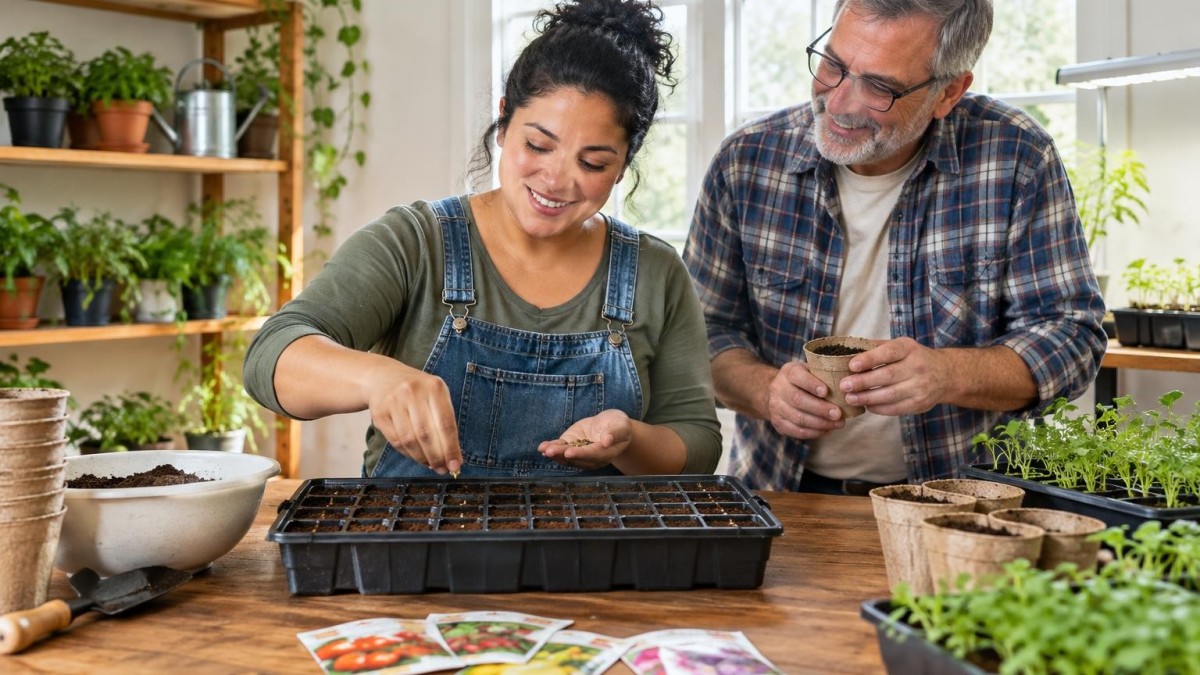
Why Start Seeds Indoors?
Starting seeds indoors is a smart move for gardeners looking to extend their growing season, especially in regions where spring arrives slowly or unpredictably. Indoors, you can create the perfect environment by controlling temperature, light, and moisture, which helps seeds sprout faster and develop stronger root systems before they face outdoor challenges.
Indoor seed starting also opens the door to a wider variety of plants than you might find as starter plants at your local nursery. Plus, it protects young seedlings from pests and harsh weather during their most vulnerable phases.
Top Vegetables for Indoor Starting
Certain vegetables truly benefit from an early indoor start due to their longer growing seasons or specific temperature needs. Tomatoes are a prime example; starting them 6 to 8 weeks before the last frost date leads to earlier, more plentiful harvests and allows for diverse varieties. Peppers and eggplants also appreciate warm, consistent conditions indoors to get a solid head start.
Cool-season crops like broccoli, cabbage, and cauliflower can be started indoors to mature before summer heat potentially stunts their growth. Onions, which develop slowly, gain from early indoor planting to establish roots and achieve readiness for transplanting. Lettuce can be started indoors for an early salad supply, even though it is often sown directly outdoors.
Herbs and Flowers That Thrive Indoors First
Herbs such as basil, parsley, and cilantro respond well to indoor seed starting, with many benefiting from controlled warmth and light. Perennials like oregano, thyme, and sage tend to establish better root systems when started indoors before transplanting.
Flowers like marigolds, zinnias, snapdragons, and petunias also flourish with an indoor head start. They provide early color, attract pollinators, and can deter pests, enhancing your garden's health and appeal.
Tips for Successful Seed Starting
To get the best results, use a quality seed-starting mix that drains well and supports root growth. Provide 12 to 16 hours of light daily, which often means supplementing with grow lights. Keep the soil consistently moist but avoid waterlogging to prevent fungal issues. Maintaining soil temperatures between 65°F and 75°F encourages speedy and healthy germination. Lastly, don't forget to harden off seedlings by gradually introducing them to the outdoors over a week to 10 days before planting them permanently.
With care and the right choices, starting your seeds indoors sets the stage for a vibrant, productive garden. By nurturing seedlings early on, you'll enjoy robust plants, earlier harvests, and more beautiful blooms throughout the season.
Newsletter Station provides professionally written, ready-to-send newsletters customized for your market and brand.
EXPLORE NEWSLETTER OPTIONS