
The Real Role of Mothballs
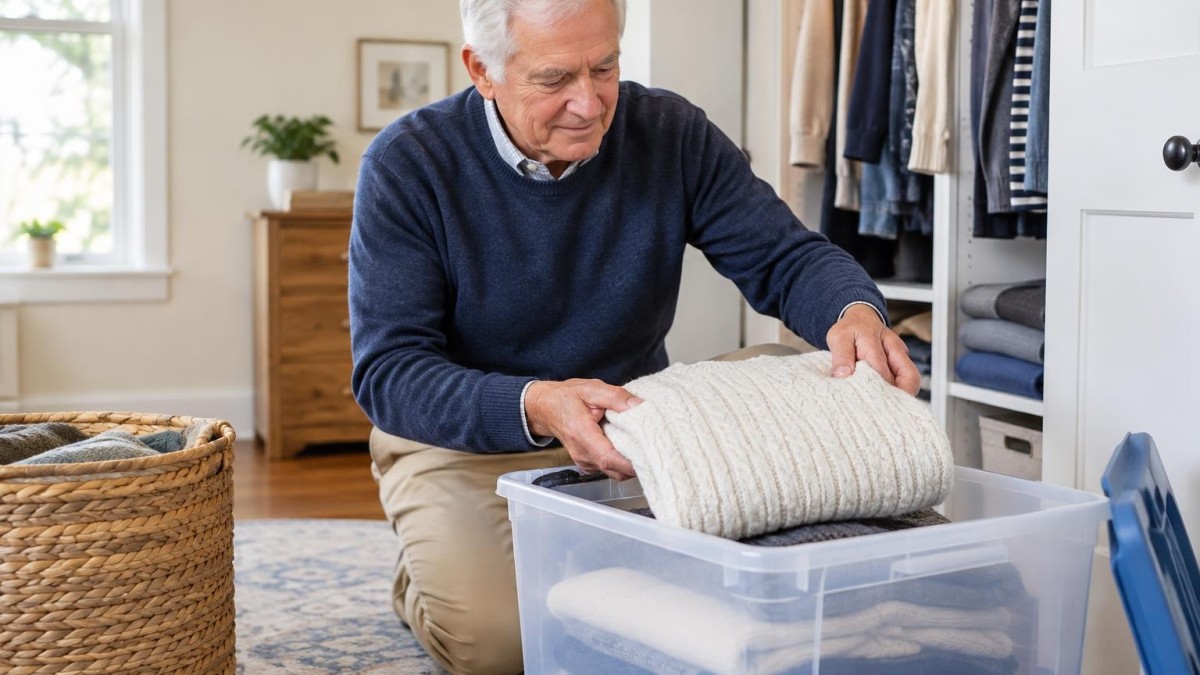
Mothballs are often misunderstood household items. They’re solid chemical pellets made from either naphthalene or paradichlorobenzene, designed specifically to protect clothing and textiles from clothes moths and their larvae. These pests target natural fabrics like wool, silk, fur, and feathers. When mothballs are used properly inside airtight containers, they release fumes that help repel or kill moth larvae, preserving your stored garments.
However, their function is narrowly focused—mothballs are not formulated or effective for controlling other household pests.
Myth vs. Reality: Mothballs and Common Pests
Although many people use mothballs to combat a spectrum of pests such as ants, cockroaches, mice, or spiders, these strong-smelling pellets fall short as a general pest repellent. The odor might be unpleasant to humans, but it doesn’t reliably repel or eliminate most household pests. Sometimes pests may temporarily stay away, but often they ignore the scent altogether.
Relying on mothballs to control these pests can prolong infestations and prevent you from seeking more effective solutions.
Health Considerations and Safe Usage Tips
Mothballs carry health risks that should make homeowners cautious. The chemicals they contain can cause symptoms like headaches, nausea, dizziness, and respiratory irritation if inhaled or improperly handled. Children and pets are particularly vulnerable to accidental exposure, which can occur through fumes, ingestion, or skin contact.
For safety, mothballs should be used only as intended—in sealed containers with clothes. Using them openly in living spaces, basements, or gardens is not safe and does not effectively control pests.
Better Pest Control Strategies for Your Home
Instead of depending on mothballs, consider these safer and more effective alternatives:
- Keep your home clean and decluttered to minimize pests’ food sources and hiding spots.
- Seal cracks, gaps, and entry points around doors, windows, and plumbing to prevent pests from entering.
- Use natural deterrents like essential oils (peppermint, eucalyptus, tea tree) or herbs (basil, mint, rosemary) to discourage some pests.
- Employ pest-specific traps and bait stations designed to target the problem accurately and safely.
- For persistent infestations, consult professional pest control experts who can provide tailored, safe treatment plans.
Modern Pest Management
Today’s pest control emphasizes prevention, targeted intervention, and environmentally responsible options. Integrated Pest Management (IPM) combines cleanliness, sealing, monitoring, and precise treatments to manage pests effectively without relying heavily on harsh chemicals.
In summary, although mothballs serve a useful purpose in protecting clothing from moth damage, they are not a reliable or safe solution for general pest control in homes. By choosing informed and appropriate methods, you can protect your living space while keeping your family and pets safe.
Newsletter Station provides professionally written, ready-to-send newsletters customized for your market and brand.
EXPLORE NEWSLETTER OPTIONS