
FEATURE ARTICLE
What Makes a Plant Invasive?
May 27, 2026
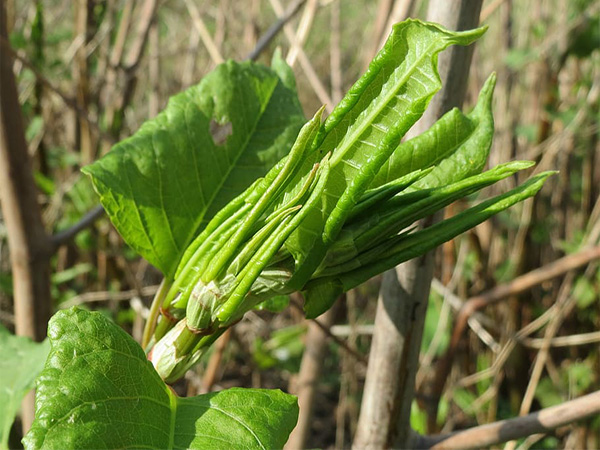
The natural world depends on a delicate balance between plants, animals, insects, and microorganisms working together within healthy ecosystems. However, when non-native plants spread aggressively and disrupt that balance, they can become invasive species that threaten biodiversity, natural habitats, and local economies.
Invasive plants are more than just fast-growing weeds. These species often spread rapidly, outcompeting native vegetation and altering ecosystems in ways that make it difficult for native plants and wildlife to survive. Understanding what makes a plant invasive is essential for gardeners, landowners, conservationists, and communities working to protect local environments.
In this article, we’ll explore the characteristics that allow invasive plants to thrive and why managing them is so important.
What Is an Invasive Plant?
An invasive plant is typically a non-native species introduced to a new environment where it spreads aggressively and causes ecological, environmental, or economic harm.
Not all non-native plants are invasive. Many introduced species coexist peacefully without damaging ecosystems. Invasive plants, however, possess traits that allow them to dominate landscapes and overwhelm native vegetation.
Common invasive plants in many regions include:
Integrated management strategies may include:
Invasive plants can have widespread consequences for ecosystems and communities. Their impact extends far beyond appearance or nuisance growth.
Invasive species may:
How Homeowners and Gardeners Can Help
Gardeners and property owners play an important role in preventing the spread of invasive plants.
Helpful steps include:
Protecting Ecosystems Starts With Awareness
Understanding what makes a plant invasive is the first step toward protecting natural ecosystems and preserving biodiversity. Invasive plants succeed because they grow aggressively, adapt easily, and often lack the natural controls that keep them balanced in their native environments.
With careful management, responsible planting choices, and early intervention, communities and homeowners can help reduce the spread of invasive species and support healthier landscapes for future generations. Even small actions can make a meaningful difference in protecting the natural balance of our environment.
Invasive plants are more than just fast-growing weeds. These species often spread rapidly, outcompeting native vegetation and altering ecosystems in ways that make it difficult for native plants and wildlife to survive. Understanding what makes a plant invasive is essential for gardeners, landowners, conservationists, and communities working to protect local environments.
In this article, we’ll explore the characteristics that allow invasive plants to thrive and why managing them is so important.
What Is an Invasive Plant?
An invasive plant is typically a non-native species introduced to a new environment where it spreads aggressively and causes ecological, environmental, or economic harm.
Not all non-native plants are invasive. Many introduced species coexist peacefully without damaging ecosystems. Invasive plants, however, possess traits that allow them to dominate landscapes and overwhelm native vegetation.
Common invasive plants in many regions include:
- Japanese knotweed
- English ivy
- Purple loosestrife
- Kudzu
- Garlic mustard
- Tree-of-heaven
-
Lack of Natural Predators and Diseases
One of the biggest reasons invasive plants become successful is that they often leave behind the insects, diseases, and animals that naturally controlled them in their native habitats.
In their original ecosystems, plants typically exist within a balanced food web where predators and pathogens help regulate growth. Once introduced to a new region, invasive plants may no longer face those natural controls.
Without predators limiting their spread, invasive species can:- Grow more aggressively
- Produce larger populations
- Spread into natural habitats quickly
- Outcompete native plants for resources
-
Rapid Growth and Reproduction
Many invasive plants reproduce at remarkably fast rates. Some produce massive quantities of seeds, while others spread underground through root systems, rhizomes, or runners.
Their seeds may travel through:- Wind
- Water
- Wildlife
- Human activity
- Vehicles and equipment
Fast reproduction allows invasive plants to establish dense populations that crowd out native vegetation and reduce biodiversity. -
Adaptability to Different Environments
Invasive plants are often highly adaptable and capable of surviving in a wide range of environmental conditions. Unlike many native species that thrive only in specific habitats, invasive plants can tolerate:- Poor soil quality
- Drought conditions
- Flooding
- Shade
- Temperature extremes
- Disturbed landscapes
Climate change has also contributed to the spread of some invasive plants by creating favorable growing conditions in regions where they previously struggled to survive. -
Allelopathic Properties
Some invasive plants release chemicals into the soil that suppress the growth of nearby plants. This process, known as allelopathy, gives invasive species an additional advantage over native vegetation.
These chemicals may:- Prevent seed germination
- Slow root growth
- Reduce nutrient uptake
- Alter soil conditions
This loss of plant diversity impacts insects, birds, and wildlife that depend on native ecosystems for food and shelter. -
Disturbed Habitats Create Opportunities
Human activity often creates ideal conditions for invasive plants to spread. Construction, land clearing, road development, and deforestation disturb natural ecosystems and weaken native plant communities.
Disturbed areas provide open space and reduced competition, allowing invasive species to establish themselves quickly.
Invasive plants are commonly found in:- Construction sites
- Roadsides
- Abandoned lots
- Overgrazed fields
- Storm-damaged forests
- Urban landscapes
-
Resistance to Control Efforts
Many invasive plants are challenging to eliminate because they resist common control methods. Mechanical removal, mowing, and even herbicide treatments may only provide temporary results if roots or seeds remain in the soil.
- Regrow after cutting
- Spread through fragmented roots
- Develop herbicide resistance
- Produce long-lasting seed banks
Integrated management strategies may include:
- Manual removal
- Controlled grazing
- Targeted herbicide use
- Replanting native vegetation
- Public education and prevention efforts
Invasive plants can have widespread consequences for ecosystems and communities. Their impact extends far beyond appearance or nuisance growth.
Invasive species may:
- Reduce biodiversity
- Damage wildlife habitats
- Increase wildfire risks
- Lower agricultural productivity
- Block waterways
- Increase maintenance costs
- Threaten endangered species
How Homeowners and Gardeners Can Help
Gardeners and property owners play an important role in preventing the spread of invasive plants.
Helpful steps include:
- Researching plants before purchasing
- Choosing native or non-invasive species
- Removing invasive plants early
- Cleaning gardening equipment
- Avoiding dumping yard waste in natural areas
- Monitoring landscapes regularly
Protecting Ecosystems Starts With Awareness
Understanding what makes a plant invasive is the first step toward protecting natural ecosystems and preserving biodiversity. Invasive plants succeed because they grow aggressively, adapt easily, and often lack the natural controls that keep them balanced in their native environments.
With careful management, responsible planting choices, and early intervention, communities and homeowners can help reduce the spread of invasive species and support healthier landscapes for future generations. Even small actions can make a meaningful difference in protecting the natural balance of our environment.