
FEATURE ARTICLE
Plants You Should Never Grow Near Roses
May 27, 2026
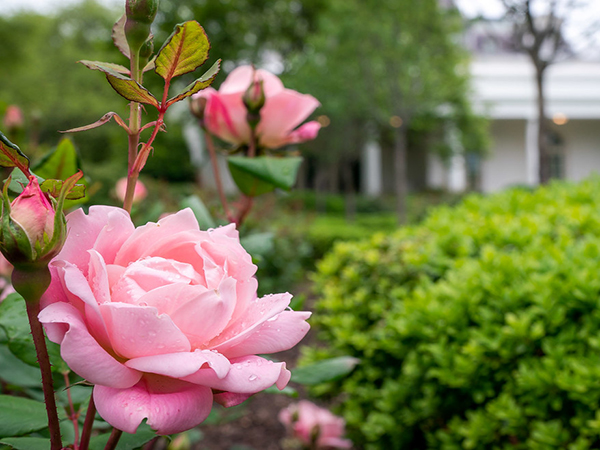
A rose garden brings timeless beauty, color, and fragrance to any outdoor space. Whether you grow classic hybrid teas, climbing roses, or modern shrub varieties, healthy roses can become the centerpiece of your landscape. However, creating a thriving rose garden requires more than regular watering and pruning. The plants surrounding your roses can significantly impact their growth, bloom production, and overall health.
While some companion plants support roses by attracting pollinators or improving soil conditions, others compete for nutrients, spread disease, or create excessive shade. Knowing which plants to avoid can help protect your roses and keep your garden healthy throughout the growing season.
Here are some of the most common plants that should stay out of your rose garden.
To help roses thrive, focus on creating an environment with:
Modern rose varieties are often more disease-resistant than older cultivars, but they still benefit from careful plant selection and routine maintenance.
Protect Your Roses for Long-Lasting Beauty
A healthy rose garden starts with smart planning and regular care. By avoiding invasive weeds, aggressive grasses, shade-producing trees, and disease-carrying plants, you can create the ideal growing environment for strong, vibrant roses.
With proper maintenance and thoughtful companion planting, your rose garden can remain colorful, fragrant, and thriving season after season. A little prevention goes a long way toward ensuring your roses remain the highlight of your landscape for years to come.
While some companion plants support roses by attracting pollinators or improving soil conditions, others compete for nutrients, spread disease, or create excessive shade. Knowing which plants to avoid can help protect your roses and keep your garden healthy throughout the growing season.
Here are some of the most common plants that should stay out of your rose garden.
-
Weeds That Compete for Nutrients
Weeds are among the biggest threats to a healthy rose garden. They compete directly with roses for water, nutrients, airflow, and sunlight. Left unchecked, weeds can quickly overwhelm young rose bushes and weaken established plants.
Common problem weeds include:- Dandelions
- Chickweed
- Crabgrass
- Clover
- Thistle
Regular hand-pulling or shallow cultivation is also recommended to avoid damaging rose roots near the soil surface. -
Aggressive Grasses
Certain grasses spread rapidly and can become extremely difficult to control once established near roses. Bermuda grass, quackgrass, and other invasive lawn grasses often creep into flower beds through underground runners and dense root systems.
These grasses absorb large amounts of moisture and nutrients, leaving roses stressed and undernourished. They can also crowd the bases of rose plants, reducing airflow and increasing the risk of fungal diseases such as black spot and powdery mildew.
Installing garden edging and maintaining clear bed borders can help prevent grass from invading your rose beds. -
Large Trees and Dense Shrubs
Roses thrive best with at least six hours of direct sunlight daily. Large trees and oversized shrubs can cast excessive shade, limiting blooming and weakening plant growth.
Trees and shrubs also compete with roses for soil nutrients and water, especially during hot summer months. Some trees develop extensive root systems that make it difficult for roses to establish healthy roots nearby.
Plants that may create problems include:- Maple trees
- Juniper shrubs
- Large evergreen hedges
Fast-growing ornamental trees
If trees are already established near your garden, consider planting roses in raised beds or choosing locations with more direct sunlight.
-
Black Walnut Trees
Black walnut trees are especially harmful to many garden plants, including roses. These trees produce a natural chemical called juglone, which is toxic to sensitive plants and can severely stunt growth or even kill nearby roses.
Juglone is released through the tree’s roots, leaves, and decaying wood, making the surrounding soil difficult for roses to tolerate.
Signs of juglone toxicity may include:- Yellowing leaves
- Wilting
- Poor flowering
- Stunted growth
-
Invasive Climbing Plants
Some climbing plants may look attractive at first, but can quickly overpower rose bushes. Aggressive vines often compete for sunlight and airflow while tangling themselves through rose canes.
Problem climbers include:- English ivy
- Bindweed
- Wisteria
- Virginia creeper
-
Disease-Carrying Plants
Certain plants can introduce diseases and pests that threaten the health of your roses. Wild roses, in particular, may carry rose rosette disease, a serious viral condition spread by tiny mites.
Rose rosette disease can cause:- Distorted stems
- Excessive thorn growth
- Deformed flowers
- Plant decline and death
Good garden hygiene, proper spacing, and routine inspections can help reduce the risk of disease problems.
To help roses thrive, focus on creating an environment with:
- Full sunlight
- Good air circulation
- Nutrient-rich, well-draining soil
- Consistent watering
- Proper plant spacing
Modern rose varieties are often more disease-resistant than older cultivars, but they still benefit from careful plant selection and routine maintenance.
Protect Your Roses for Long-Lasting Beauty
A healthy rose garden starts with smart planning and regular care. By avoiding invasive weeds, aggressive grasses, shade-producing trees, and disease-carrying plants, you can create the ideal growing environment for strong, vibrant roses.
With proper maintenance and thoughtful companion planting, your rose garden can remain colorful, fragrant, and thriving season after season. A little prevention goes a long way toward ensuring your roses remain the highlight of your landscape for years to come.