
FEATURE ARTICLE
Common Causes of Negligent Firearm Discharges and How to Prevent Them
May 27, 2026
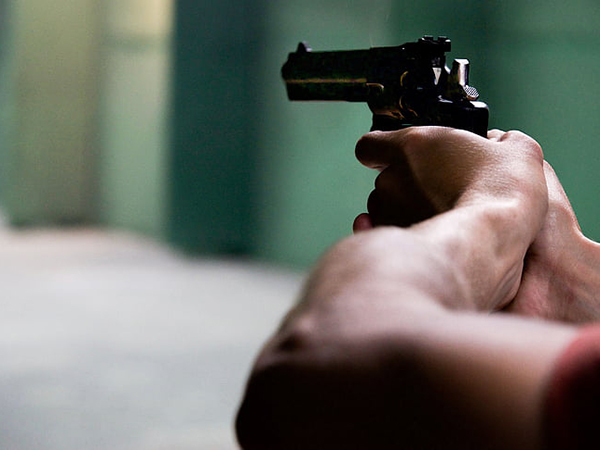
Responsible firearm ownership starts with safety. Negligent discharges—sometimes incorrectly called “accidental discharges”—occur when a firearm is unintentionally fired due to human error, unsafe handling, or poor decision-making. These incidents can lead to severe injuries, property damage, and tragic loss of life.
Understanding the most common causes of negligent discharges is essential for anyone who owns, carries, or handles firearms. With proper training, attention, and safe habits, most of these incidents are entirely preventable.
What Is a Negligent Discharge?
A negligent discharge occurs when a firearm is fired unintentionally due to improper safety procedures. Unlike a rare mechanical malfunction, negligent discharges are typically the result of unsafe handling practices, lack of awareness, or complacency.
Modern firearm safety education strongly emphasizes prevention through consistent habits and responsible behavior.
Lack of Proper Firearm Training
One of the leading causes of negligent discharges is inadequate training. Safe firearm handling requires more than simply knowing how to operate a gun. Owners should understand firearm safety rules, safe storage practices, maintenance procedures, and situational awareness.
Training should include:
Poor Trigger Discipline
Trigger discipline is one of the most important firearm safety principles. Many negligent discharges occur when someone places their finger on the trigger before they are ready to fire.
The safest practice is to keep your finger completely outside the trigger guard until:
Ignoring Basic Firearm Safety Rules
The foundation of responsible firearm ownership is following established safety rules at all times. The most widely accepted firearm safety rules include:
Mishandling Loaded Firearms
Many negligent discharges occur during routine handling, cleaning, or storage because someone incorrectly assumes a firearm is unloaded.
Before handling any firearm:
Distractions and Complacency
Familiarity can sometimes lead to overconfidence. Long-time firearm owners may become less attentive over time, increasing the risk of careless mistakes.
Distractions such as conversations, mobile phones, stress, fatigue, or multitasking can also reduce awareness during firearm handling.
Safe firearm handling requires complete focus and a serious mindset every time a firearm is touched.
Improper Holsters and Carry Equipment
Using poorly designed or incompatible holsters can increase the risk of negligent discharges, particularly during drawing or reholstering.
A quality holster should:
Unsafe Storage Practices
Improper firearm storage can create dangerous situations, especially in homes with children or unauthorized individuals.
Current firearm safety recommendations encourage:
Importance of Mental Awareness and Responsibility
Responsible firearm ownership goes beyond physical handling. Emotional control, mental focus, and responsible decision-making are equally important.
Firearms should never be handled:
Ongoing Education Matters
Firearm safety is not a one-time lesson. Many experienced gun owners regularly attend training courses to refresh skills and stay informed about updated safety practices and equipment improvements.
Continuing education helps reinforce safe habits and build confidence in handling firearms responsibly.
Negligent discharges are preventable when firearm owners commit to proper training, consistent safety practices, and responsible handling habits. Following established firearm safety rules, maintaining trigger discipline, using proper equipment, and staying focused can significantly reduce the risk of injury or tragedy.
Responsible gun ownership requires ongoing awareness and respect for the serious nature of firearms. By prioritizing safety at all times, firearm owners can help protect themselves, their families, and their communities.
Understanding the most common causes of negligent discharges is essential for anyone who owns, carries, or handles firearms. With proper training, attention, and safe habits, most of these incidents are entirely preventable.
What Is a Negligent Discharge?
A negligent discharge occurs when a firearm is fired unintentionally due to improper safety procedures. Unlike a rare mechanical malfunction, negligent discharges are typically the result of unsafe handling practices, lack of awareness, or complacency.
Modern firearm safety education strongly emphasizes prevention through consistent habits and responsible behavior.
Lack of Proper Firearm Training
One of the leading causes of negligent discharges is inadequate training. Safe firearm handling requires more than simply knowing how to operate a gun. Owners should understand firearm safety rules, safe storage practices, maintenance procedures, and situational awareness.
Training should include:
- Safe loading and unloading procedures
- Proper grip and trigger control
- Range safety and handling etiquette
- Storage and transportation guidelines
Poor Trigger Discipline
Trigger discipline is one of the most important firearm safety principles. Many negligent discharges occur when someone places their finger on the trigger before they are ready to fire.
The safest practice is to keep your finger completely outside the trigger guard until:
- The firearm is pointed safely at a target
- You have made the conscious decision to shoot
Ignoring Basic Firearm Safety Rules
The foundation of responsible firearm ownership is following established safety rules at all times. The most widely accepted firearm safety rules include:
- Treat every firearm as if it is loaded
- Always point the muzzle in a safe direction
- Keep your finger off the trigger until ready to fire
- Know your target and what is beyond it
Mishandling Loaded Firearms
Many negligent discharges occur during routine handling, cleaning, or storage because someone incorrectly assumes a firearm is unloaded.
Before handling any firearm:
- Remove the magazine if applicable
- Open the action
- Visually and physically inspect the chamber
Distractions and Complacency
Familiarity can sometimes lead to overconfidence. Long-time firearm owners may become less attentive over time, increasing the risk of careless mistakes.
Distractions such as conversations, mobile phones, stress, fatigue, or multitasking can also reduce awareness during firearm handling.
Safe firearm handling requires complete focus and a serious mindset every time a firearm is touched.
Improper Holsters and Carry Equipment
Using poorly designed or incompatible holsters can increase the risk of negligent discharges, particularly during drawing or reholstering.
A quality holster should:
- Fully cover the trigger guard
- Securely retain the firearm
- It is designed specifically for the firearm model
Unsafe Storage Practices
Improper firearm storage can create dangerous situations, especially in homes with children or unauthorized individuals.
Current firearm safety recommendations encourage:
- Using gun safes or lockboxes
- Utilizing trigger or cable locks when appropriate
- Storing ammunition separately if needed
- Keeping firearms inaccessible to unauthorized users
Importance of Mental Awareness and Responsibility
Responsible firearm ownership goes beyond physical handling. Emotional control, mental focus, and responsible decision-making are equally important.
Firearms should never be handled:
- While impaired by alcohol or drugs
- During emotional distress or anger
- Without full attention and awareness
Ongoing Education Matters
Firearm safety is not a one-time lesson. Many experienced gun owners regularly attend training courses to refresh skills and stay informed about updated safety practices and equipment improvements.
Continuing education helps reinforce safe habits and build confidence in handling firearms responsibly.
Negligent discharges are preventable when firearm owners commit to proper training, consistent safety practices, and responsible handling habits. Following established firearm safety rules, maintaining trigger discipline, using proper equipment, and staying focused can significantly reduce the risk of injury or tragedy.
Responsible gun ownership requires ongoing awareness and respect for the serious nature of firearms. By prioritizing safety at all times, firearm owners can help protect themselves, their families, and their communities.