
Why Trees Lean and What It Means
Trees are vital to our landscapes, offering beauty, shade, and a boost in property value. Yet, they don’t always grow straight up. A tree that leans can be perfectly safe or it can signal concerns about its health and stability. Leaning can result from several causes, so understanding these helps you decide when to simply observe and when to take action.
Common Causes of Leaning Trees
Several factors can cause a tree to lean, including environmental conditions and structural issues. A few major reasons include:
Wind and Weather: Constant wind can push trees to grow at an angle, especially young ones that haven’t fully established strong trunks and roots. Storms can cause damage that weakens a tree's structure, leading to sudden leaning.
Root Problems: The roots anchor a tree firmly in the soil. Compacted soil, poor drainage, damage from construction, or diseases like root rot can weaken this foundation and cause a tree to tilt.
Sunlight Availability: Trees naturally grow toward light. If one side is blocked by buildings, fences, or nearby trees, a tree may lean toward the brighter, sunnier side.
Natural Growth Patterns: Some tree species or trees planted on slopes tend to grow at an angle without necessarily posing a problem.
When to Be Concerned
Not all leaning trees are dangerous, but certain signs should prompt a professional evaluation. These include sudden leaning after storms, exposed roots, cracks in the trunk, soil heaving around the base, dead branches, hollow trunks, or a rapidly worsening lean. If these appear, a certified arborist can assess the risk and recommend care or removal.
Helping a Tree Grow Straighter
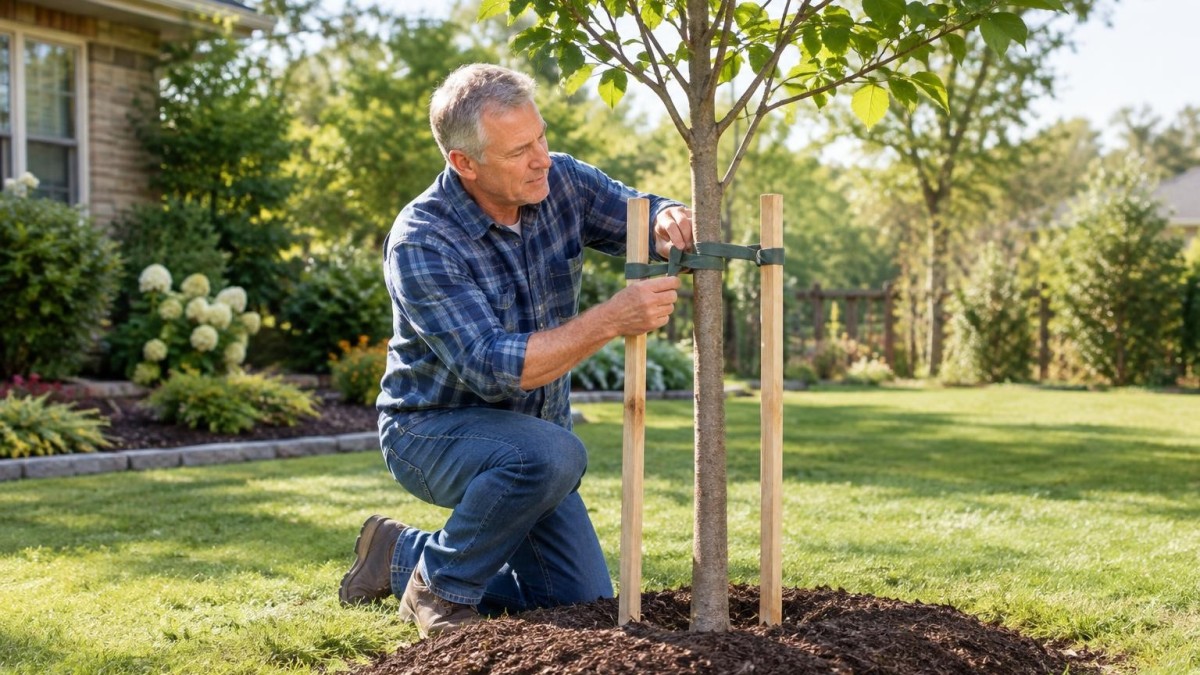
If your tree is young and leaning, staking can guide its growth. Use soft ties and avoid tying too tightly to allow natural trunk strengthening. Most young trees need staking for just one season. For established trees, strategic pruning to balance the canopy or professional support systems like cabling may help improve stability.
Improving soil health is also key. Mulching, aerating compacted soil, enhancing drainage, and protecting the root zone from damage encourage strong root development and reduce leaning risks.
Prevention and Maintenance Tips
Plant trees with care by ensuring correct depth and choosing species suited to your local climate and space. Regular pruning maintains healthy, balanced growth, and avoid disturbing the root area with construction or heavy foot traffic.
Healthy, well-maintained trees are less likely to lean and will remain a beautiful and valuable part of your landscape.
Newsletter Station provides professionally written, ready-to-send newsletters customized for your market and brand.
EXPLORE NEWSLETTER OPTIONS