
FEATURE ARTICLE
What to Do If Your Car Is Leaking Oil
May 27, 2026
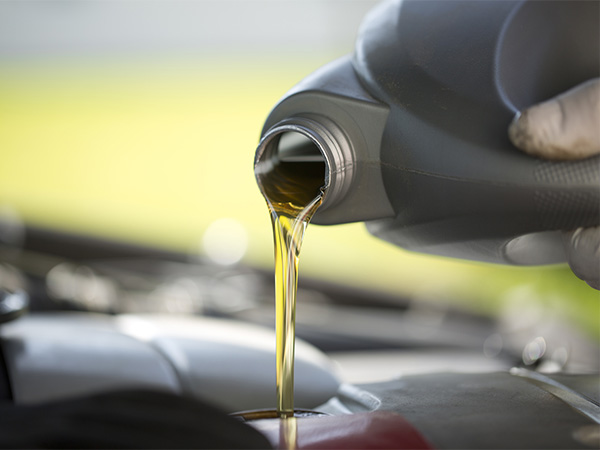
Keeping your vehicle in good condition requires regular attention, and one of the most concerning issues drivers may encounter is an oil leak. Engine oil plays a vital role in lubricating components, reducing friction, and preventing overheating. When a leak occurs, it can lead to reduced performance, higher repair costs, and even serious engine damage if ignored.
Understanding how to identify and respond to an oil leak quickly can help protect your vehicle and keep it running smoothly. In this guide, we’ll walk through the essential steps every car owner should take when they notice signs of an oil leak.
An oil leak may start as a small issue, but it can quickly escalate if ignored. By identifying the source early, assessing severity, and seeking timely repairs, you can protect your engine and avoid costly damage.
Regular maintenance and prompt attention to warning signs are key to keeping your vehicle safe, efficient, and reliable. With proper care and professional support when needed, your car can continue performing at its best for years to come.
Understanding how to identify and respond to an oil leak quickly can help protect your vehicle and keep it running smoothly. In this guide, we’ll walk through the essential steps every car owner should take when they notice signs of an oil leak.
-
Locate the Source of the Leak
The first step is to determine where the oil is coming from. Park your vehicle on a clean, flat surface and check underneath for fresh oil spots or dripping fluid. Oil typically appears dark brown or amber and may have a slick texture.
Common leak points include:- Oil pan gasket
- Valve cover gasket
- Oil filter housing
- Drain plug
- Oil cooler lines
-
Evaluate How Serious the Leak Is
Not all oil leaks are equally urgent, but they should always be taken seriously. Assess how quickly oil is escaping and whether you notice any performance issues.
Signs of a serious leak include:- Frequent need to top off oil
- Burning oil smell
- Smoke from the engine bay
- Engine overheating
- Visible puddles are forming quickly
-
Use Temporary Fixes Only if Necessary
If you cannot get immediate repairs, temporary solutions may help reduce oil loss while you arrange service. Products such as oil stop-leak additives can sometimes slow minor leaks caused by worn seals or gaskets.
However, these should only be considered short-term solutions. They do not fix the underlying issue and are not suitable for severe leaks or damaged components.
Continuing to drive with a significant leak can lead to engine wear and costly repairs. -
Do Not Delay Repairs
Ignoring an oil leak is one of the most common causes of preventable engine damage. Without proper lubrication, engine components experience increased friction, heat buildup, and long-term wear.
Delaying repairs can result in:- Engine failure
- Reduced fuel efficiency
- Expensive part replacements
- Safety risks while driving
-
Consult a Qualified Mechanic
A professional mechanic can accurately diagnose the cause of the leak and recommend the appropriate repair. In many cases, the issue may involve replacing a gasket, tightening a fitting, or repairing a worn seal.
A certified technician can also:- Perform pressure tests
- Inspect related engine components
- Check for hidden leaks
- Ensure proper oil levels and system performance
-
Follow PPreventiveMaintenance Practices
Preventing future oil leaks starts with consistent vehicle maintenance. Regular care helps catch small issues before they become major problems.
Best practices include:- Checking oil levels monthly
- Scheduling regular oil changes
- Using manufacturer-recommended oil types
- Inspecting gaskets and seals during service
- Addressing minor leaks immediately
- Keeping up with routine inspections
An oil leak may start as a small issue, but it can quickly escalate if ignored. By identifying the source early, assessing severity, and seeking timely repairs, you can protect your engine and avoid costly damage.
Regular maintenance and prompt attention to warning signs are key to keeping your vehicle safe, efficient, and reliable. With proper care and professional support when needed, your car can continue performing at its best for years to come.