
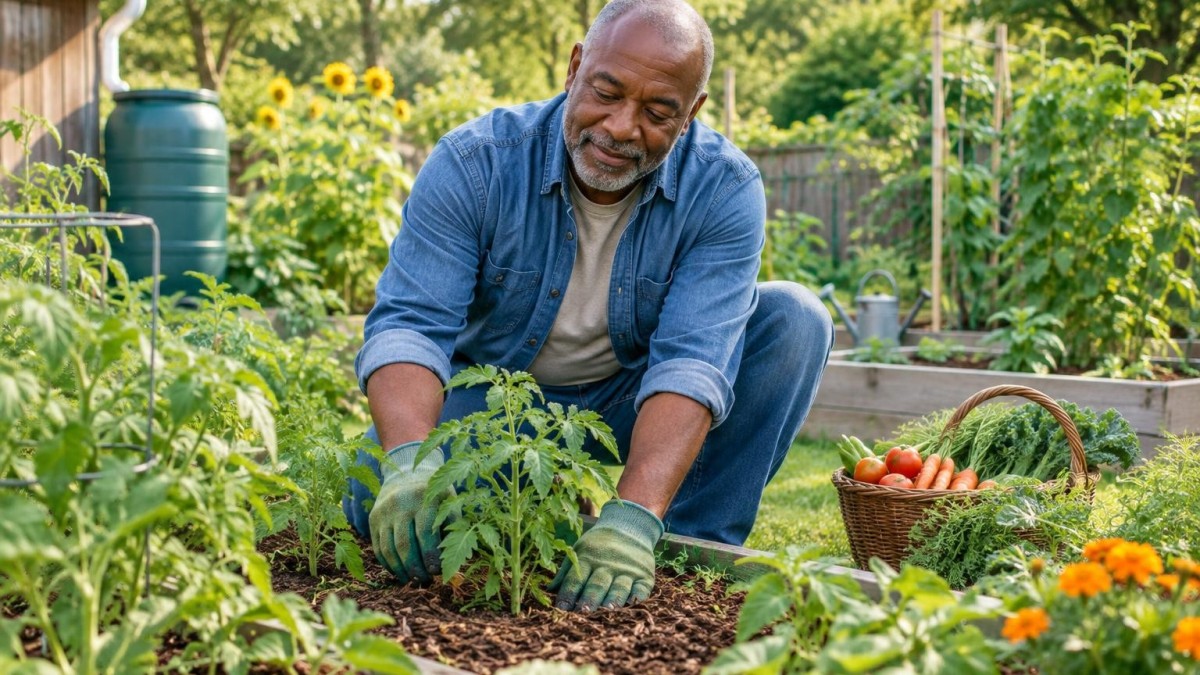
Choosing the Best Location for Your Garden
Creating a thriving survival garden starts with picking the perfect spot. Aim for an area that receives at least six to eight hours of direct sunlight daily, with good air circulation and well-drained soil. Avoid low-lying spots that collect water after rain, as soggy soil can harm plant roots and increase disease risks. If space is tight, raised beds, vertical gardens, or containers can maximize your growing area efficiently.
Selecting the Right Crops
Focus on plants that provide high nutrition and are easy to store for long periods. Staples like tomatoes, beans, potatoes, carrots, onions, garlic, kale, and winter squash deliver essential vitamins and calories. Including perennial plants such as berry bushes, asparagus, and fruit trees can lighten yearly planting chores while offering dependable harvests year after year.
Building and Maintaining Healthy Soil
Good soil health is the foundation of a successful garden. Testing your soil’s nutrients and pH can guide you in adding organic matter like compost or aged manure to enrich it. Mulching around plants helps conserve moisture, suppress weeds, regulate temperature, and improve soil structure over time, promoting stronger and more resilient crops.
Using Companion Planting and Natural Pest Control
Pairing plants strategically supports growth and deters pests naturally. For example, basil planted near tomatoes can improve flavor and repel insects, while marigolds can protect vegetables by keeping bugs at bay. Encouraging beneficial insects like ladybugs and using row covers when needed helps maintain a healthy garden without harsh chemicals.
Efficient Watering and Weather Prep
Deep, early morning watering encourages strong roots and reduces disease risk. Installing drip irrigation or soaker hoses and collecting rainwater can save water during dry spells. Shield plants from extreme conditions by using shade cloths, frost covers, windbreaks, or raised beds to improve drainage and resilience.
Preserving and Saving for the Future
Learn food preservation techniques such as freezing, canning, dehydrating, and fermenting to enjoy your harvest beyond the growing season. Seed saving from open-pollinated or heirloom varieties ensures you have future planting stock tailored to your garden’s unique climate and conditions, promoting sustainability and independence.
Keep Learning and Adapting
Gardening is a continual learning process. Stay connected with local gardeners, read reliable resources, attend workshops, and adapt your practices based on what you observe. This ongoing improvement strengthens your garden’s productivity and your confidence in self-sufficiency.
By combining thoughtful planning, healthy soil, crop diversity, natural pest management, efficient watering, and preservation skills, your survival garden can become a dependable source of nourishment and peace of mind through any challenge.
Newsletter Station provides professionally written, ready-to-send newsletters customized for your market and brand.
EXPLORE NEWSLETTER OPTIONS