
FEATURE ARTICLE
Why You Should Avoid Sleeping With Wet Hair
May 20, 2026
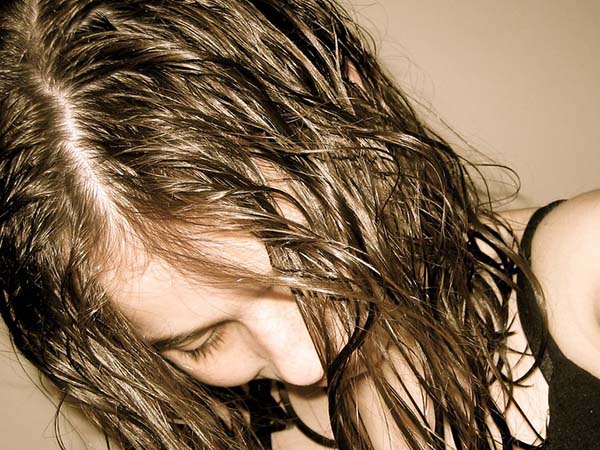
After a long day, it can be tempting to shower and head straight to bed with damp hair. Whether it’s due to a busy schedule, late-night workouts, or simple convenience, many people occasionally sleep with wet hair without thinking twice about it.
However, going to bed with wet hair may negatively affect your hair health, scalp condition, sleep quality, and even your styling routine. While it may not seem harmful in the moment, repeated exposure to moisture overnight can contribute to long-term hair and scalp issues.
Here’s a closer look at why drying your hair before bed is a healthier habit and what you can do to protect your hair when time is limited.
Changing your nighttime hair routine doesn’t have to be difficult. A few simple adjustments can help protect your hair and improve comfort.
Plan Your Hair-Washing Routine Earlier
Washing your hair earlier in the evening gives it time to air dry naturally before bedtime.
Use a Blow Dryer Safely
If needed, use a blow dryer on a low or medium heat setting to remove excess moisture. Avoid holding the dryer too close to your hair to reduce heat damage.
Braid or Loosely Tie Hair
If your hair is slightly damp, a loose braid or soft bun can help reduce tangling and friction overnight.
Invest in Silk or Satin Bedding
Silk and satin pillowcases are gentler on hair and may help reduce breakage, frizz, and moisture absorption.
Use Leave-In Protection Products
Lightweight leave-in conditioners or heat protectants can help minimize dryness and friction while supporting healthier strands.
While sleeping with wet hair may seem harmless, making it a regular habit can contribute to hair breakage, scalp irritation, discomfort, and styling challenges. Taking a few extra minutes to dry and protect your hair before bed can make a noticeable difference in both hair health and sleep quality.
By building healthier nighttime haircare habits, you can help maintain stronger, smoother, and more manageable hair while supporting overall scalp wellness.
However, going to bed with wet hair may negatively affect your hair health, scalp condition, sleep quality, and even your styling routine. While it may not seem harmful in the moment, repeated exposure to moisture overnight can contribute to long-term hair and scalp issues.
Here’s a closer look at why drying your hair before bed is a healthier habit and what you can do to protect your hair when time is limited.
-
Wet Hair Is More Vulnerable to Damage
Hair is at its weakest state when wet. Water causes the hair shaft to swell, making strands more elastic and prone to breakage.
Common issues caused by sleeping with wet hair:- Split ends
- Hair breakage
- Frizz and tangling
- Weakened hair strands
- Increased shedding over time
-
Moisture Can Irritate the Scalp
A damp scalp creates a warm, humid environment where bacteria and fungi can thrive. Over time, this may contribute to scalp irritation and discomfort.
Potential scalp concerns include:- Itching
- Dandruff
- Scalp sensitivity
- Fungal buildup
- Unpleasant scalp odor
-
Poor Sleep Comfort and Quality
Sleeping with wet hair can make your pillow feel damp and uncomfortable, potentially affecting sleep quality.
Common discomforts:- Cold or clammy sensation
- Restless sleep
- Pillow moisture buildup
- Increased nighttime discomfort
-
Morning Styling Becomes More Difficult
Wet hair can dry unevenly overnight, leaving hair tangled, flattened, or frizzy by morning.
This may result in:- Longer styling time
- Extra heat tool use
- More product dependency
- Difficulty achieving desired hairstyles
-
Friction From Pillowcases Can Increase Damage
Traditional cotton pillowcases can cause friction with wet hair, increasing the risk of breakage and tangles.
Better alternatives include:- Silk pillowcases
- Satin pillowcases
- Protective hair wraps
-
Damp Hair May Affect Scalp Hygiene
Modern haircare experts increasingly emphasize scalp health as part of an overall wellness routine. Leaving hair damp for extended periods may disrupt the scalp’s natural balance.
Healthy scalp habits include:- Thorough drying after washing
- Regular cleansing
- Avoiding heavy product buildup
- Using gentle haircare products
Changing your nighttime hair routine doesn’t have to be difficult. A few simple adjustments can help protect your hair and improve comfort.
Plan Your Hair-Washing Routine Earlier
Washing your hair earlier in the evening gives it time to air dry naturally before bedtime.
Use a Blow Dryer Safely
If needed, use a blow dryer on a low or medium heat setting to remove excess moisture. Avoid holding the dryer too close to your hair to reduce heat damage.
Braid or Loosely Tie Hair
If your hair is slightly damp, a loose braid or soft bun can help reduce tangling and friction overnight.
Invest in Silk or Satin Bedding
Silk and satin pillowcases are gentler on hair and may help reduce breakage, frizz, and moisture absorption.
Use Leave-In Protection Products
Lightweight leave-in conditioners or heat protectants can help minimize dryness and friction while supporting healthier strands.
While sleeping with wet hair may seem harmless, making it a regular habit can contribute to hair breakage, scalp irritation, discomfort, and styling challenges. Taking a few extra minutes to dry and protect your hair before bed can make a noticeable difference in both hair health and sleep quality.
By building healthier nighttime haircare habits, you can help maintain stronger, smoother, and more manageable hair while supporting overall scalp wellness.