
FEATURE ARTICLE
How to Layer Area Rugs for a Stylish, Modern Home
May 20, 2026
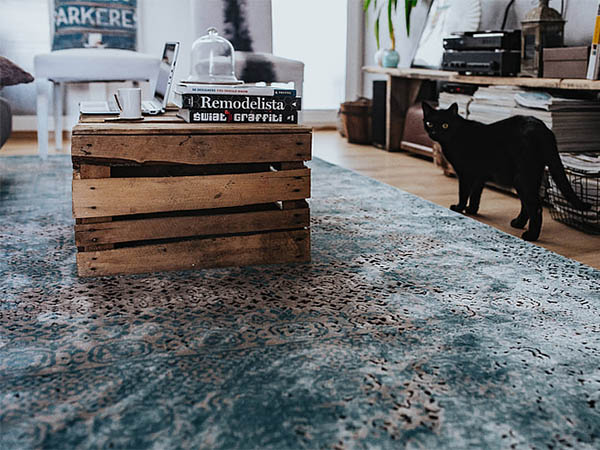
Area rugs are one of the most effective ways to transform a room. They add warmth, define spaces, and introduce texture and color into your interior design. While a single rug can certainly make a statement, layering area rugs has become a popular interior design trend for creating richer, more personalized living spaces.
Rug layering allows homeowners to add depth, contrast, and visual interest while enhancing comfort underfoot. Whether you’re working with a minimalist space or a bold, eclectic design, layered rugs can elevate your home’s overall aesthetic in a simple, affordable way.
In this guide, we’ll explore practical and creative ways to layer area rugs like a professional interior designer.
Whether you prefer a bold, eclectic look or a calm, minimalist aesthetic, rug layering offers endless possibilities for customization. With the right approach, your floors can become a key design feature that enhances the entire room.
Rug layering allows homeowners to add depth, contrast, and visual interest while enhancing comfort underfoot. Whether you’re working with a minimalist space or a bold, eclectic design, layered rugs can elevate your home’s overall aesthetic in a simple, affordable way.
In this guide, we’ll explore practical and creative ways to layer area rugs like a professional interior designer.
-
Start with the Right Base Rug Size
The foundation of any layered rug design is the base rug. This larger rug anchors the space and sets the tone for the entire design.
Key guidelines:- The base rug should be large enough to define the seating or functional area
- It should extend beyond furniture edges where possible
- Neutral tones or subtle patterns often work best
-
Mix Textures and Patterns Thoughtfully
One of the most appealing aspects of layering area rugs is the ability to combine different textures and patterns. This adds depth and personality to your space.
Popular combinations include:- A soft shag rug layered over a flatweave rug
- A jute or sisal base with a patterned wool rug on top
- Geometric prints paired with subtle organic textures
-
Maintain Color Harmony
Color coordination is essential when layering rugs. A well-balanced color scheme ties the entire room together and prevents visual chaos.
To achieve harmony:- Choose a neutral or grounding base rug
- Use the top rug to introduce accent colors
- Coordinate rug colors with existing décor elements like pillows, curtains, or artwork
-
Experiment with Shapes and Layouts
Layering rugs of different shapes can completely transform a room's look and feel.
Try these combinations:- Round rug over a rectangular base rug
- Small square rug layered diagonally for a dynamic effect
- Matching shapes for a clean, symmetrical look
-
Anchor Furniture for a Cohesive Look
Proper furniture placement is key to successful rug layering. Rugs should connect with furniture rather than float independently in the room.
Best practices include:- Placing at least the front legs of sofas and chairs on the rug
- Ensuring the layered rugs sit centered within the seating area
- Aligning rugs with focal points like coffee tables or fireplaces
-
Focus on Proportional Balance
Proportion plays a major role in how visually appealing layered rugs appear. If the scale is off, even high-quality rugs can look mismatched.
Keep in mind:- Avoid accent rugs that are too small for the space
- Ensure the base rug supports the full seating arrangement
- Maintain visible borders between layers for contrast
-
Combine Different Materials
Mixing rug materials adds richness and tactile interest to your design. This approach works especially well in modern and bohemian interiors.
Effective material pairings include:- Wool over jute
- Cotton over sisal
- Faux fur over flatweave
- Natural fibers combined with synthetic blends for durability
-
Define Spaces in Open-Concept Layouts
Layered rugs are especially useful in open floor plans where defining separate areas is important.
Use rug layering to:- Separate living and dining areas
- Highlight reading or relaxation zones
- Create visual boundaries without walls
-
Add Seasonal Flexibility
Layering rugs also makes seasonal updates easy. You can refresh your space without replacing your entire flooring setup.
For example:- Use lighter rugs in spring and summer
- Add warmer textures and darker tones in fall and winter
- Swap accent rugs to match seasonal décor themes
-
Keep It Balanced, Not Busy
While layering rugs offers creative freedom, balance is essential. Too many patterns, colors, or textures can make a space feel overwhelming.
To maintain harmony:- Limit yourself to two-layered rugs per area
- Stick to a unified color palette
- Allow negative space to breathe
Whether you prefer a bold, eclectic look or a calm, minimalist aesthetic, rug layering offers endless possibilities for customization. With the right approach, your floors can become a key design feature that enhances the entire room.