
FEATURE ARTICLE
Mastering the Transition From Standing to Kneeling in Marksmanship
May 20, 2026
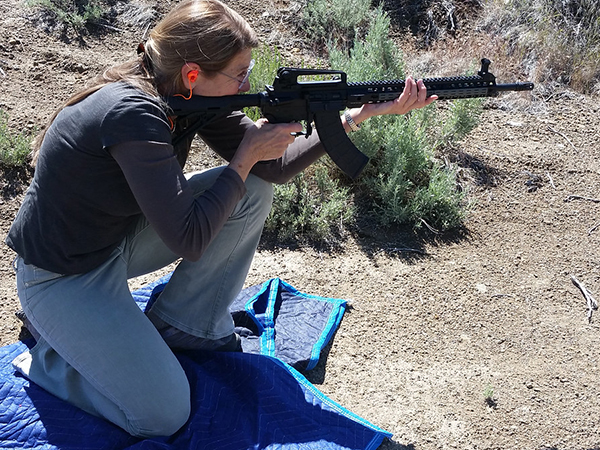
Strong marksmanship skills require more than accurate aim—they demand adaptability, control, and consistent technique across multiple shooting positions. Whether you are a competitive shooter, hunter, recreational firearm enthusiast, or law enforcement professional, learning how to transition smoothly from standing to kneeling can improve both accuracy and stability.
The kneeling position provides a more controlled shooting platform while helping shooters reduce fatigue and improve precision. Developing this transition through regular practice and proper technique can enhance overall shooting performance in a wide variety of environments.
Why Transitioning Between Shooting Positions Matters
Being able to move efficiently between standing and kneeling positions is a foundational skill in marksmanship training. It improves flexibility, helps maintain target focus, and allows shooters to adapt quickly to changing conditions.
Key benefits include:
By focusing on safe practice, proper balance, consistent technique, and ongoing training, shooters can strengthen their overall marksmanship abilities and become more adaptable in the field or on the range.
The kneeling position provides a more controlled shooting platform while helping shooters reduce fatigue and improve precision. Developing this transition through regular practice and proper technique can enhance overall shooting performance in a wide variety of environments.
Why Transitioning Between Shooting Positions Matters
Being able to move efficiently between standing and kneeling positions is a foundational skill in marksmanship training. It improves flexibility, helps maintain target focus, and allows shooters to adapt quickly to changing conditions.
Key benefits include:
- Improved shooting stability
- Better accuracy at longer distances
- Enhanced use of cover and concealment
- Reduced body fatigue during extended shooting sessions
- Greater versatility in hunting, tactical, and competitive settings
-
Improve Stability and Accuracy
One of the biggest advantages of the kneeling position is increased stability. Lowering your center of gravity and adding another point of contact with the ground creates a steadier shooting platform.
Why it helps:- Reduces excessive body movement
- Improves sight alignment
- Supports better recoil management
- Encourages more controlled breathing
-
Use Cover More Effectively
In practical shooting or defensive scenarios, kneeling can help shooters utilize cover more efficiently while minimizing exposure.
Common advantages:- Smaller visible profile
- Better positioning behind barriers
- Improved line of sight from lower angles
- Increased control in uneven terrain
-
Practice Safe Dry-Fire Drills
Dry-fire practice remains one of the safest and most effective ways to improve transitions between shooting positions.
During practice:- Focus on smooth body movement
- Keep the firearm pointed in a safe direction
- Practice proper trigger control
- Maintain a consistent posture throughout the transition
-
Use Proper Supportive Equipment
Comfort and protection play an important role in effective training.
Helpful gear includes:- Knee pads for comfort and joint protection
- Stable footwear with good traction
- Appropriate shooting mats for outdoor practice
- Eye and ear protection during live-fire sessions
-
Maintain Proper Balance and Posture
Balance is critical when transitioning from standing to kneeling. Poor posture can negatively affect both safety and accuracy.
Tips for better balance:- Keep your weight centered
- Plant your support-side knee securely
- Avoid leaning excessively forward or backward
- Maintain a stable upper-body position
-
Experiment With Different Kneeling Positions
There is no single “perfect” kneeling stance. Different shooting situations may require different approaches.
Common kneeling styles:- Traditional kneeling
- Speed kneeling
- Double-kneeling
- Braced, kneeling against the cover
-
Maintain a Consistent Sight Picture
Consistency is essential in marksmanship. When transitioning positions, your sight alignment and cheek weld should remain as stable as possible.
Focus on:- Maintaining proper eye alignment
- Keeping consistent grip pressure
- Controlling breathing patterns
- Applying smooth trigger pressure
-
Build Speed Through Repetition
Smooth transitions come from repetition and proper technique—not rushing.
Training recommendations:- Practice slow, controlled movements first
- Gradually increase speed over time
- Incorporate movement drills into regular practice
- Focus on efficiency rather than speed alone
-
Continue Learning Through Professional Instruction
Even experienced shooters benefit from professional training and feedback.
Benefits of instruction:- Improved shooting mechanics
- Personalized coaching
- Safer firearm handling habits
- Exposure to advanced techniques
By focusing on safe practice, proper balance, consistent technique, and ongoing training, shooters can strengthen their overall marksmanship abilities and become more adaptable in the field or on the range.