
FEATURE ARTICLE
How to Protect Your Deck from Weather Damage and Extend Its Lifespan
May 20, 2026
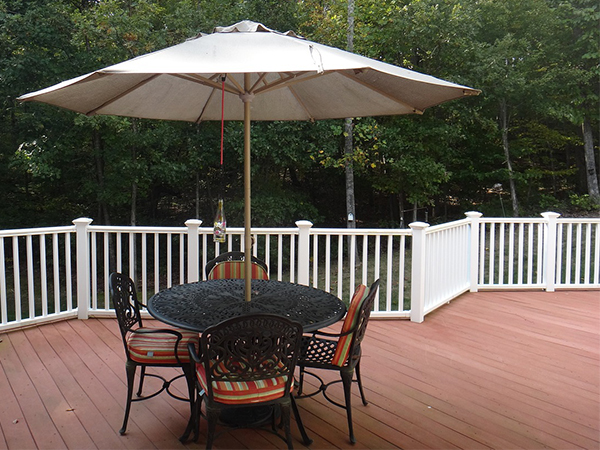
A well-maintained deck is one of the most valuable extensions of your home, offering a comfortable outdoor space for relaxation, entertaining, and family gatherings. However, constant exposure to sun, rain, snow, and seasonal temperature changes can gradually wear down even the most durable decking materials.
Without proper maintenance, weather damage can lead to fading, warping, rot, and structural issues over time. The good news is that with consistent care and preventive maintenance, you can significantly extend your deck’s lifespan while keeping it safe, attractive, and functional year-round.
In this guide, we’ll explore practical and proven strategies to protect your deck from weather-related damage.
With the right care routine, your deck can remain a beautiful and functional extension of your home for many years—ready to enjoy in every season.
Without proper maintenance, weather damage can lead to fading, warping, rot, and structural issues over time. The good news is that with consistent care and preventive maintenance, you can significantly extend your deck’s lifespan while keeping it safe, attractive, and functional year-round.
In this guide, we’ll explore practical and proven strategies to protect your deck from weather-related damage.
-
Keep Your Deck Clean Year-Round
Regular cleaning is one of the simplest and most effective ways to prevent long-term damage.
Why it matters:
Leaves, dirt, and organic debris trap moisture, creating ideal conditions for mold, mildew, and wood decay.
Best practices:- Sweep your deck weekly or biweekly
- Remove leaves, dirt, and standing debris promptly
- Use a mild deck cleaner seasonally
- Consider a gentle pressure wash once or twice a year
-
Apply a High-Quality Protective Sealant
Sealing your deck is essential for protecting it from moisture, UV rays, and temperature fluctuations.
Modern deck stains and sealants offer:- Water resistance
- UV protection against fading
- Reduced cracking and splintering
- Enhanced wood durability
- Ensure the deck is fully clean and dry before sealing
- Apply in mild, dry weather conditions
- Reapply every 1–3 years, depending on exposure and product type
-
Prevent Water Damage and Moisture Buildup
Moisture is one of the leading causes of deck deterioration.
To minimize water-related damage:- Keep gutters and downspouts clean and functional
- Ensure proper drainage around your deck
- Avoid water pooling after rain or snow
- Inspect areas where water tends to collect
-
Improve Airflow and Ventilation
Proper ventilation helps prevent moisture buildup beneath and around your deck, reducing the risk of rot and mold growth.
How to improve airflow:- Trim nearby shrubs and vegetation
- Avoid storing items directly under the deck
- Install vents in low-clearance deck designs
- Keep spacing between boards clear of debris
-
Protect Your Deck from Sun Damage
UV exposure can cause fading, drying, and cracking in wood and composite decking over time.
To reduce sun damage:- Install pergolas, awnings, or shade sails
- Use outdoor rugs in high-exposure areas
- Apply UV-resistant sealants or stains
- Rotate outdoor furniture periodically to avoid uneven fading
-
Safely Manage Snow and Ice in Winter
Winter weather can be especially harsh on outdoor decking materials.
Safe snow removal tips:- Use a plastic shovel or broom instead of metal tools
- Remove snow regularly to prevent ice buildup
- Avoid scraping aggressively to protect the surface
- Use calcium chloride-based de-icers sparingly
- Avoid rock salt, which can damage wood and corrode hardware
- Rinse the deck in early spring to remove residue
-
Perform Routine Deck Inspections
Regular inspections allow you to identify small issues before they become costly repairs.
Check for:- Loose nails, screws, or fasteners
- Cracked, warped, or splintering boards
- Signs of rot or discoloration
- Structural movement or instability
- Damage to the ledger board connection
-
Maintain Structural Hardware and Fasteners
Beyond surface care, hardware maintenance is critical for safety and durability.
Make sure to:- Tighten loose screws or bolts
- Replace corroded fasteners
- Check railings and stair supports
- Use rust-resistant or galvanized hardware when replacing parts
-
Use Smart Seasonal Maintenance
Each season brings different challenges, so adjusting your maintenance routine is key.- Spring: Deep clean and inspect for winter damage
- Summer: Apply sealants and monitor sun exposure
- Fall: Clear leaves and prepare for moisture buildup
- Winter: Manage snow and prevent ice accumulation
With the right care routine, your deck can remain a beautiful and functional extension of your home for many years—ready to enjoy in every season.