
FEATURE ARTICLE
Why Your Check Engine Light Is On: Common Causes and What to Do Next
May 20, 2026
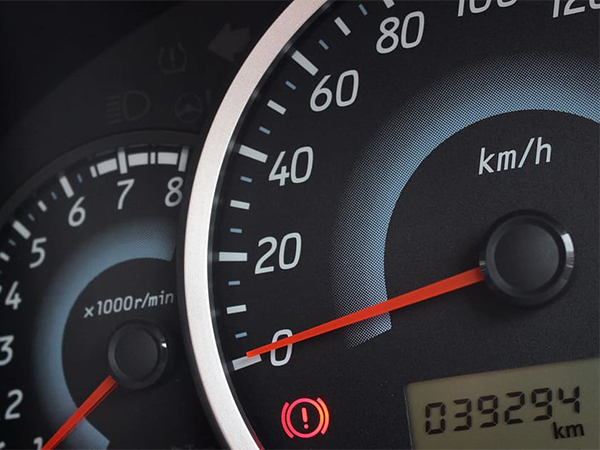
Few dashboard warnings create as much stress for drivers as the check engine light. One moment, everything seems fine, and the next, an unfamiliar glowing symbol appears on your dashboard. While it’s easy to panic, the check engine light does not always indicate a major mechanical failure. In many cases, the issue may be relatively minor—but it should never be ignored.
Your vehicle’s check engine light is part of the onboard diagnostic system (OBD-II), which monitors engine performance, emissions, and other critical systems. When the system detects a problem, it stores a diagnostic trouble code and activates the warning light.
Understanding the most common causes of a check engine light can help you respond appropriately and avoid more expensive repairs later.
The first step is to stay calm and assess how the vehicle is behaving.
If the Light Is Steady:
A steady check engine light often indicates a non-emergency issue, but you should still schedule a diagnostic inspection soon.
If the Light Is Flashing:
A flashing check engine light usually signals a more serious problem, such as an active engine misfire, which could damage the catalytic converter. In this case, reduce driving and seek professional service immediately.
The Importance of Prompt Diagnostics
Today’s repair shops use OBD-II scanners to retrieve diagnostic codes stored by the vehicle’s computer system. These codes help technicians quickly and accurately identify the source of the problem.
Prompt repairs can:
Understanding potential causes and seeking professional diagnostics early can help protect your vehicle, reduce repair expenses, and keep you safe on the road.
Routine maintenance, timely inspections, and paying attention to warning signs remain the best ways to keep your vehicle running smoothly for years to come.
Your vehicle’s check engine light is part of the onboard diagnostic system (OBD-II), which monitors engine performance, emissions, and other critical systems. When the system detects a problem, it stores a diagnostic trouble code and activates the warning light.
Understanding the most common causes of a check engine light can help you respond appropriately and avoid more expensive repairs later.
-
Loose or Damaged Gas Cap
One of the simplest and most common reasons for a check engine light is a loose, cracked, or missing gas cap.
The gas cap helps:- Maintain fuel system pressure
- Prevent fuel vapors from escaping
- Support proper emissions system function
-
Faulty Oxygen Sensor (O2 Sensor)
The oxygen sensor monitors exhaust oxygen levels and helps regulate the air-fuel mixture for optimal engine performance and fuel efficiency.
A failing O2 sensor can cause:- Reduced gas mileage
- Increased emissions
- Rough engine performance
- Damage to other components if ignored
-
Mass Airflow Sensor Problems
The mass airflow (MAF) sensor measures the amount of air entering the engine and helps determine the proper amount of fuel to inject.
When the sensor becomes dirty or malfunctions, you may notice:- Poor acceleration
- Engine hesitation
- Reduced fuel economy
- Stalling or rough idling
-
Catalytic Converter Issues
The catalytic converter is a critical emissions component that helps reduce harmful exhaust gases.
Problems with the catalytic converter may result in:- Reduced engine performance
- Poor fuel efficiency
- Sulfur or rotten egg smells
- Failed emissions testing
-
Ignition System or Spark Plug Failure
Faulty spark plugs, ignition coils, or ignition wires can cause engine misfires and trigger the check engine light.
Common symptoms include:- Rough-running engine
- Difficulty starting
- Reduced power
- Vibrations during acceleration
-
EVAP System and Emissions Control Problems
Modern vehicles use an evaporative emissions control (EVAP) system to prevent fuel vapors from escaping into the atmosphere.
Issues such as:- Faulty EVAP valves
- Leaking vacuum lines
- Damaged charcoal canisters
-
Battery or Electrical System Issues (New Insight)
Today’s vehicles rely heavily on advanced electronics and sensors. Weak batteries, failing alternators, or electrical communication issues can sometimes trigger the check engine light.
Electrical problems may cause:- Dashboard warning lights
- Starting difficulties
- Sensor communication errors
- Intermittent vehicle performance issues
The first step is to stay calm and assess how the vehicle is behaving.
If the Light Is Steady:
A steady check engine light often indicates a non-emergency issue, but you should still schedule a diagnostic inspection soon.
If the Light Is Flashing:
A flashing check engine light usually signals a more serious problem, such as an active engine misfire, which could damage the catalytic converter. In this case, reduce driving and seek professional service immediately.
The Importance of Prompt Diagnostics
Today’s repair shops use OBD-II scanners to retrieve diagnostic codes stored by the vehicle’s computer system. These codes help technicians quickly and accurately identify the source of the problem.
Prompt repairs can:
- Prevent additional damage
- Improve fuel efficiency
- Reduce repair costs
- Keep emissions systems functioning properly
Understanding potential causes and seeking professional diagnostics early can help protect your vehicle, reduce repair expenses, and keep you safe on the road.
Routine maintenance, timely inspections, and paying attention to warning signs remain the best ways to keep your vehicle running smoothly for years to come.