
FEATURE ARTICLE
7 Simple Ways to Reduce Sodium Intake for Better Health
May 20, 2026
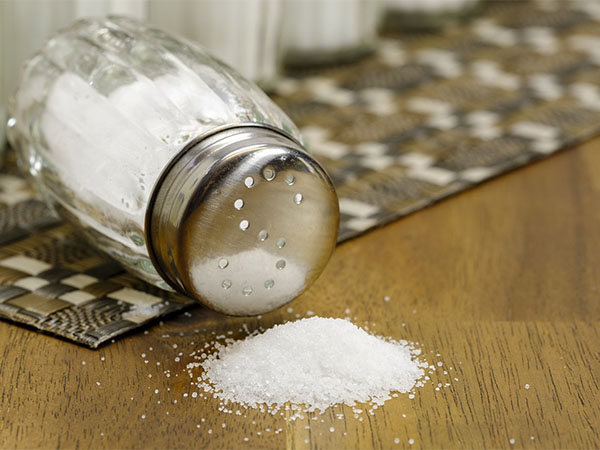
Reducing sodium intake is one of the most effective steps you can take to support long-term health and wellness. While sodium is essential for maintaining fluid balance, muscle function, and nerve signaling, consuming too much can increase the risk of high blood pressure, heart disease, stroke, and kidney problems.
Many people consume far more sodium than recommended, often without realizing it. Processed foods, restaurant meals, sauces, and packaged snacks can all contain surprisingly high amounts of salt. Fortunately, lowering your sodium intake does not mean sacrificing flavor or enjoyment. Small, consistent changes can make a meaningful difference over time.
Here are seven practical and realistic ways to reduce sodium intake while maintaining a satisfying and flavorful diet.
Read Food Labels Carefully
One of the easiest ways to lower sodium consumption is by becoming more aware of what is in the foods you buy. Nutrition labels provide valuable information about sodium content, helping you make healthier choices at the grocery store.
When comparing products, aim for foods that contain:
Taking a few extra moments to read labels can significantly reduce your daily sodium intake.
Cook More Meals at Home
Preparing meals at home gives you complete control over ingredients and seasoning. Restaurant meals and takeout foods are often high in sodium because salt is frequently used to enhance flavor and preserve freshness.
Cooking from scratch allows you to:
Simple meal planning and batch cooking can help make home-prepared meals more convenient throughout the week.
Limit Processed and Packaged Foods
Many processed and packaged foods are among the largest contributors to excess sodium consumption. Common high-sodium foods include:
If you do purchase packaged foods, look for reduced-sodium versions or products with simpler ingredient lists.
Use Herbs and Spices for Flavor
Reducing salt does not mean meals have to taste bland. Herbs, spices, citrus, and other natural flavor enhancers can add depth and variety to your cooking without increasing sodium intake.
Popular low-sodium flavor boosters include:
Watch Hidden Sodium in Condiments
Condiments and sauces are often overlooked sources of sodium. Even small amounts of ketchup, soy sauce, barbecue sauce, salad dressing, and seasoning packets can contribute significant sodium to a meal.
To reduce hidden sodium:
Rinse and Drain Canned Foods
Canned foods can be convenient and budget-friendly, but many contain added salt for preservation. Fortunately, rinsing canned vegetables, beans, and legumes under cold water can help reduce sodium content substantially.
Whenever possible:
Fill Your Plate With Fresh Fruits and Vegetables
Fresh fruits and vegetables are naturally low in sodium and packed with vitamins, minerals, antioxidants, and fiber. Increasing your intake of produce can support heart health, digestion, and overall wellness while naturally replacing higher-sodium foods.
Some produce-rich meal ideas include:
Reduce Sodium Gradually for Long-Term Success
One of the most effective ways to maintain a lower-sodium lifestyle is to make gradual changes rather than attempting an extreme overnight adjustment. Slowly reducing sodium gives your palate time to adapt and helps create sustainable habits.
Over time, many people find they begin to appreciate the natural flavors of foods more fully and no longer crave heavily salted meals.
Staying hydrated, eating balanced meals, and focusing on fresh ingredients can make the transition easier and more enjoyable.
Small Changes Can Lead to Big Health Benefits
Reducing sodium intake is a simple yet powerful step toward improving long-term health. By reading food labels, preparing meals at home, limiting processed foods, and using herbs and spices for flavor, you can lower sodium consumption without sacrificing taste.
Even small dietary adjustments can help support healthier blood pressure levels, improve heart health, and reduce the risk of chronic disease over time.
Creating healthier eating habits does not require perfection—just consistency. With mindful choices and gradual improvements, you can build a flavorful, balanced diet that supports both wellness and enjoyment.
Many people consume far more sodium than recommended, often without realizing it. Processed foods, restaurant meals, sauces, and packaged snacks can all contain surprisingly high amounts of salt. Fortunately, lowering your sodium intake does not mean sacrificing flavor or enjoyment. Small, consistent changes can make a meaningful difference over time.
Here are seven practical and realistic ways to reduce sodium intake while maintaining a satisfying and flavorful diet.
Read Food Labels Carefully
One of the easiest ways to lower sodium consumption is by becoming more aware of what is in the foods you buy. Nutrition labels provide valuable information about sodium content, helping you make healthier choices at the grocery store.
When comparing products, aim for foods that contain:
- Less than 140 milligrams of sodium per serving
- “Low-sodium” or “no salt added” labels
- Reduced-sodium alternatives when available
Taking a few extra moments to read labels can significantly reduce your daily sodium intake.
Cook More Meals at Home
Preparing meals at home gives you complete control over ingredients and seasoning. Restaurant meals and takeout foods are often high in sodium because salt is frequently used to enhance flavor and preserve freshness.
Cooking from scratch allows you to:
- Limit added salt
- Use fresh ingredients
- Control portion sizes
- Experiment with healthier seasonings
Simple meal planning and batch cooking can help make home-prepared meals more convenient throughout the week.
Limit Processed and Packaged Foods
Many processed and packaged foods are among the largest contributors to excess sodium consumption. Common high-sodium foods include:
- Canned soups
- Deli meats
- Frozen dinners
- Snack chips
- Fast food
- Instant noodles
- Processed cheeses
- Pre-made sauces and marinades
If you do purchase packaged foods, look for reduced-sodium versions or products with simpler ingredient lists.
Use Herbs and Spices for Flavor
Reducing salt does not mean meals have to taste bland. Herbs, spices, citrus, and other natural flavor enhancers can add depth and variety to your cooking without increasing sodium intake.
Popular low-sodium flavor boosters include:
- Garlic
- Onion powder
- Basil
- Oregano
- Cilantro
- Rosemary
- Thyme
- Paprika
- Turmeric
- Lemon juice
- Black pepper
Watch Hidden Sodium in Condiments
Condiments and sauces are often overlooked sources of sodium. Even small amounts of ketchup, soy sauce, barbecue sauce, salad dressing, and seasoning packets can contribute significant sodium to a meal.
To reduce hidden sodium:
- Use condiments sparingly
- Choose low-sodium varieties
- Make homemade dressings and sauces
- Replace salty toppings with fresh herbs or citrus
Rinse and Drain Canned Foods
Canned foods can be convenient and budget-friendly, but many contain added salt for preservation. Fortunately, rinsing canned vegetables, beans, and legumes under cold water can help reduce sodium content substantially.
Whenever possible:
- Choose “no salt added” canned products
- Rinse canned beans and vegetables thoroughly
- Select water-packed canned tuna or salmon instead of oil-packed varieties
Fill Your Plate With Fresh Fruits and Vegetables
Fresh fruits and vegetables are naturally low in sodium and packed with vitamins, minerals, antioxidants, and fiber. Increasing your intake of produce can support heart health, digestion, and overall wellness while naturally replacing higher-sodium foods.
Some produce-rich meal ideas include:
- Fresh salads with homemade dressing
- Roasted vegetables
- Fruit smoothies
- Stir-fries with lean protein
- Vegetable-based soups
- Snack plates with raw vegetables and hummus
Reduce Sodium Gradually for Long-Term Success
One of the most effective ways to maintain a lower-sodium lifestyle is to make gradual changes rather than attempting an extreme overnight adjustment. Slowly reducing sodium gives your palate time to adapt and helps create sustainable habits.
Over time, many people find they begin to appreciate the natural flavors of foods more fully and no longer crave heavily salted meals.
Staying hydrated, eating balanced meals, and focusing on fresh ingredients can make the transition easier and more enjoyable.
Small Changes Can Lead to Big Health Benefits
Reducing sodium intake is a simple yet powerful step toward improving long-term health. By reading food labels, preparing meals at home, limiting processed foods, and using herbs and spices for flavor, you can lower sodium consumption without sacrificing taste.
Even small dietary adjustments can help support healthier blood pressure levels, improve heart health, and reduce the risk of chronic disease over time.
Creating healthier eating habits does not require perfection—just consistency. With mindful choices and gradual improvements, you can build a flavorful, balanced diet that supports both wellness and enjoyment.