
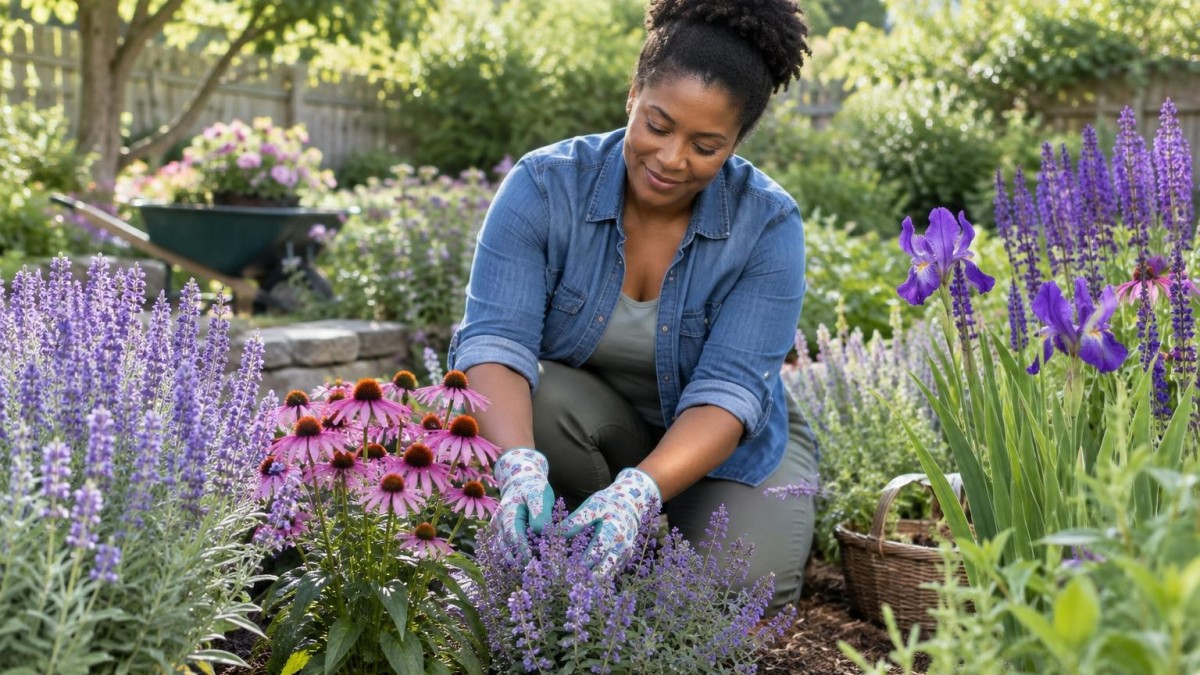
Why Purple Perennials Elevate Your Garden
Purple flowers bring a timeless charm to gardens, combining elegance with a touch of mystique. Their range from soft lavender to vivid violet adds depth and variety to your outdoor space. Beyond their beauty, purple perennials are practical choices—they return year after year, attract pollinators like bees and butterflies, and require less maintenance than many annuals.
Top Purple Perennials to Consider
Lavender (Lavandula spp.)
Beloved for its soothing scent and soft purple flower spikes, lavender thrives in sunny, well-drained spots. Varieties such as English and French lavender offer subtle differences in shade and fragrance, making them versatile additions that also benefit pollinators.
Coneflowers (Echinacea spp.)
These hardy natives sport daisy-like purple-pink flowers with distinctive centers. They’re drought-tolerant and bring lively texture to summer beds. Varieties like Purple Coneflower and PowWow Wild Berry fit well in pollinator gardens and make great cut flowers.
Salvia (Salvia spp.)
Salvias provide dramatic flower spikes with deep violet hues and bloom for extended periods. Cultivars such as Caradonna and May Night are favorites for adding bold color, and their appeal to hummingbirds and butterflies makes them a wildlife-friendly choice.
Russian Sage (Perovskia atriplicifolia)
Known for airy growth and silvery foliage, Russian Sage produces lavender-blue blooms through summer into early fall. It excels in hot, dry conditions and pairs beautifully with ornamental grasses in xeriscape or modern gardens.
Catmint (Nepeta spp.)
With soft purple-blue flowers clustered over a long season, catmint adds a relaxed cottage garden feel while attracting pollinators. Varieties like Walker’s Low are easy-care options perfect for borders and pathways.
Balloon Flower (Platycodon grandiflorus)
Named for its unique balloon-shaped buds that open to star-like blooms, Balloon Flowers add whimsical texture. Compact cultivars such as Astra Blue and Fuji Blue are great for containers or mixed perennial beds.
Iris (Iris spp.)
Irises deliver bold, elegant blooms paired with striking foliage. Purple varieties range widely in shade and make dramatic spring or early summer focal points.
Tips for Thriving Purple Perennials
To enjoy your purple perennials year after year, choose sites with the right sunlight and good drainage. Water deeply, especially in the first season, and deadhead blooms to encourage more flowering. Dividing crowded clumps every few years will keep plants healthy, and mulching helps retain moisture and control weeds.
Creating a Cohesive Garden Palette
Layer purple perennials with contrasting colors and textures to create dynamic displays. Pair lavender with white blooms or salvia with ornamental grasses, and mix coneflowers with yellow-flowering plants for vibrant combinations. Varying plant heights and bloom times keeps your garden lively from spring through fall.
Purple perennials offer enduring beauty with minimal upkeep. Whether you’re drawn to the gentle fragrance of lavender, the striking presence of irises, or pollinator-friendly salvia and coneflowers, these plants bring color and charm that last season after season.
Newsletter Station provides professionally written, ready-to-send newsletters customized for your market and brand.
EXPLORE NEWSLETTER OPTIONS