
FEATURE ARTICLE
Fruits and Vegetables You Should Not Refrigerate: A Fresh Food Storage Guide
May 6, 2026
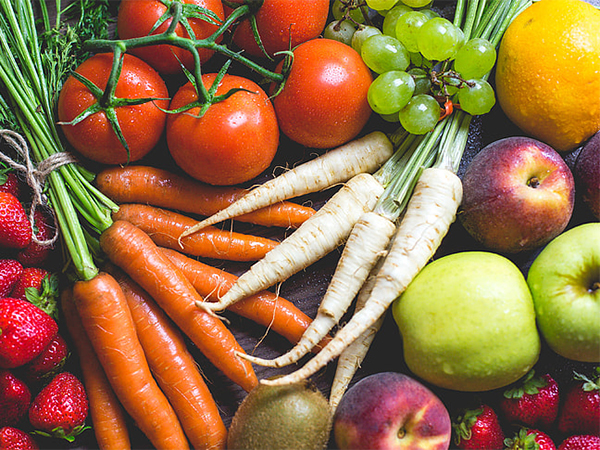
Proper food storage plays a major role in maintaining flavor, texture, and nutritional quality. While refrigeration helps extend the shelf life of many items, certain fruits and vegetables actually lose quality when chilled. Cold temperatures can cause flavor loss, texture changes, and premature spoilage in some produce.
This updated guide highlights common foods that are best stored at room temperature so you can enjoy them at their peak freshness.
By keeping produce like tomatoes, bananas, avocados, potatoes, onions, garlic, and citrus fruits at room temperature when appropriate, you can enjoy better-tasting, longer-lasting ingredients in your everyday meals.
This updated guide highlights common foods that are best stored at room temperature so you can enjoy them at their peak freshness.
-
Tomatoes
Tomatoes are highly sensitive to cold. Refrigeration breaks down their natural enzymes, leading to a mealy texture and reduced flavor. For best results, store them at room temperature, away from direct sunlight, and consume them within a few days of ripening. -
Avocados
Avocado should be kept at room temperature until fully ripe. Refrigerating unripe avocados slows the ripening process and can negatively affect texture. To speed up ripening, place them in a paper bag with an apple or banana. -
Bananas
Bananas do not benefit from refrigeration. Cold temperatures cause the peel to darken quickly, even though the fruit inside may still be fine. Store them at room temperature and separate them if you want to slow down the ripening. -
Citrus Fruits
Citrus fruits such as oranges, lemons, and limes maintain better flavor and juiciness when stored at room temperature. Refrigeration can dry out the peel and dull its natural taste, although short-term chilling is acceptable in hot climates. -
Potatoes
Potatoes should never be refrigerated. Cold storage converts starch into sugar, resulting in an unpleasant sweet or gritty texture when cooked. Store them in a cool, dark, well-ventilated place instead. -
Onions
Onions prefer dry, airy environments. Refrigeration introduces moisture, which can lead to soft spots and mold growth. Keep them in a breathable container away from potatoes to prevent spoilage. -
Garlic
Garlic is best stored in a dry, cool space. Refrigeration can cause cloves to become rubbery and reduce flavor intensity. Whole bulbs last longer when kept in a well-ventilated pantry.
- Keep ethylene-producing fruits like bananas away from sensitive produce
- Use breathable storage bags or baskets instead of sealed plastic
- Store ripe produce promptly to avoid over-ripening
- Check stored items regularly for spoilage to prevent spread
By keeping produce like tomatoes, bananas, avocados, potatoes, onions, garlic, and citrus fruits at room temperature when appropriate, you can enjoy better-tasting, longer-lasting ingredients in your everyday meals.