
FEATURE ARTICLE
How to Identify Rodent Infestations in Your Home and Take Effective Action
May 6, 2026
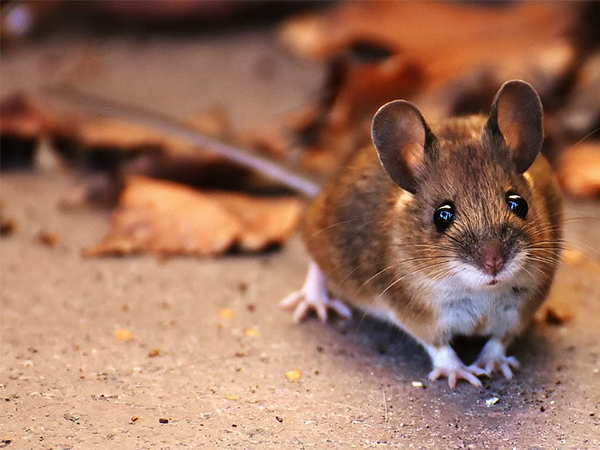
Unwanted rodents such as mice and rats are more than just a nuisance—they can damage property, contaminate food, and create serious health risks. With increased awareness around home hygiene and preventative pest control, early detection is more important than ever.
Identifying the warning signs quickly allows homeowners to address the issue before it becomes a full infestation. This updated guide explains how to recognize rodent activity and the most effective steps to eliminate it safely.
Common Signs of Rodents in Your Home
A proactive approach to sealing entry points, managing food sources, and maintaining cleanliness is the most effective way to keep rodents out for good.
Identifying the warning signs quickly allows homeowners to address the issue before it becomes a full infestation. This updated guide explains how to recognize rodent activity and the most effective steps to eliminate it safely.
Common Signs of Rodents in Your Home
-
Unusual Noises at Night
One of the earliest indicators of rodents is hearing scratching, scurrying, or gnawing sounds inside walls, ceilings, attics, or basements. Since rodents are primarily active at night, these noises often become more noticeable after dark. -
Droppings in Hidden Areas
Rodent droppings are a clear sign of activity:- Mouse droppings are small and rice-shaped
- Rat droppings are larger and more oval
-
Gnaw Marks and Damaged Items
Rodents constantly chew to keep their teeth from growing too long. Look for damage on:- Food packaging
- Wooden furniture
- Baseboards and walls
- Electrical wires (a serious fire hazard)
-
Grease Marks and Travel Paths
As rodents move along walls and tight spaces, their bodies leave behind oily smudge marks. You may also notice:- Tracks in dusty areas
- Repeated travel routes along baseboards
- Entry points near gaps or holes
-
Nesting Materials
Rodents build nests using soft, shredded materials such as:- Paper or cardboard
- Fabric or insulation
- Leaves and plant matter
-
Strong, Musky Odors
A persistent musty smell—especially in enclosed areas—can indicate a growing rodent population. The odor often becomes stronger near nesting sites or heavy activity zones.
-
Seal Entry Points
Preventing access is essential. Inspect your home for gaps and seal:- Cracks in foundations and walls
- Openings around pipes and vents
- Gaps under doors (use door sweeps)
Steel wool or metal mesh is especially effective for blocking small openings. -
Eliminate Food Sources
Rodents are attracted to easily accessible food. Reduce risk by:- Storing food in airtight containers
- Cleaning crumbs and spills immediately
- Securing trash bins with tight lids
- Avoid leaving pet food out overnight
-
Use Traps Strategically
Place snap traps or humane traps along walls and known travel paths. Effective bait options include peanut butter, nuts, or dried fruit. Check traps regularly and dispose of captures safely. -
Call Professional Pest Control Services
If rodent activity continues or spreads, professional pest control is often the most effective solution. Experts can identify entry points, safely remove infestations, and help prevent future issues.
A proactive approach to sealing entry points, managing food sources, and maintaining cleanliness is the most effective way to keep rodents out for good.