
FEATURE ARTICLE
Common Tree Diseases and How to Treat Them: A Practical Guide for Healthy Landscapes
May 6, 2026
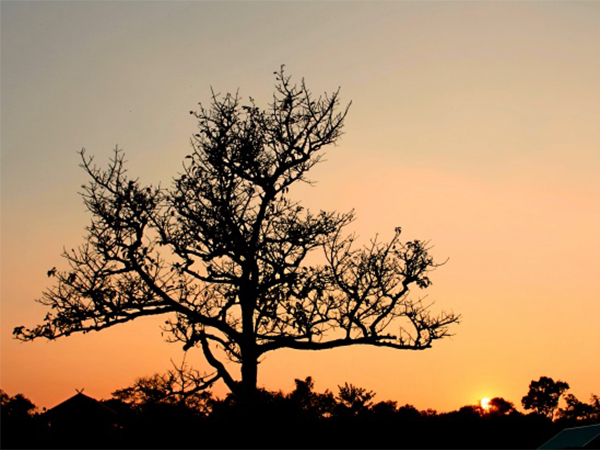
Trees are a valuable part of any landscape, improving air quality, providing shade, and enhancing property value. However, they are also vulnerable to diseases that can weaken their structure, reduce growth, or lead to premature death if not addressed early. Understanding the warning signs and treatment options is key to maintaining strong, healthy trees.
This updated guide highlights common tree diseases and practical strategies to manage and prevent them.
Keeping trees healthy requires consistent care and early detection:
While minor issues can often be managed at home, persistent or widespread disease should be evaluated by a certified arborist. Early professional intervention can prevent costly removals and preserve nearby trees.
Tree diseases can spread quickly, but proactive care makes a significant difference. By learning to recognize symptoms early and applying the right treatment strategies, you can protect your landscape and preserve the long-term health of your trees.
Healthy trees not only enhance curb appeal but also contribute to a stronger, more sustainable environment for years to come.
This updated guide highlights common tree diseases and practical strategies to manage and prevent them.
-
Dutch Elm Disease (DED)
Dutch elm disease is a destructive fungal infection spread by elm bark beetles. It primarily affects elm trees and can progress rapidly.
Common symptoms include:- Yellowing or wilting leaves
- Branch dieback
- Sudden canopy thinning
Infected branches should be removed immediately and disposed of properly. In severe cases, full tree removal may be necessary. Preventive fungicide injections and ongoing monitoring of nearby elms can help protect healthy trees. -
Oak Wilt
Oak wilt is a fast-spreading fungal disease that affects oak trees, especially red oaks.
Common symptoms include:- Browning or wilting leaves
- Rapid leaf drop during the growing season
- Discoloration in leaf veins
Avoid pruning oaks during active growing seasons when beetles are most active. Remove infected trees and roots when possible. Creating buffer zones and using preventive fungicide treatments can help slow the spread in high-risk areas. -
Apple Scab
Apple scab commonly affects apple and pear trees, reducing fruit quality and tree vigor.
Common symptoms include:- Dark, scaly leaf spots
- Early leaf drop
- Cracked or blemished fruit
Remove fallen leaves and debris to reduce fungal spores. Apply dormant-season fungicides and maintain good airflow through pruning to minimize moisture buildup. -
Anthracnose
Anthracnose affects a wide range of hardwood trees, including maple, sycamore, and dogwood species.
Common symptoms include:- Irregular leaf spots or blotches
- Twig dieback
- Early defoliation
Sanitation is critical—remove infected leaves and branches promptly. In severe cases, fungicide applications during early growth stages may help reduce spread. Proper spacing and pruning improve airflow and reduce humidity around foliage. -
Pine Needle Rust
Pine needle rust impacts many pine species and is often noticeable in spring and early summer.
Common symptoms include:- Yellow or orange spots on needles
- Premature needle drop
- Reduced tree vigor
Prune affected branches and remove debris from the area. Fungicide treatments applied in early spring can help protect new growth. Planting resistant pine varieties also reduces long-term risk.
Keeping trees healthy requires consistent care and early detection:
- Inspect trees regularly for unusual discoloration or leaf drop
- Maintain proper spacing and airflow between trees
- Avoid overwatering or poor drainage around roots
- Use mulch appropriately to protect soil health without suffocating roots
- Schedule periodic professional inspections for mature trees
While minor issues can often be managed at home, persistent or widespread disease should be evaluated by a certified arborist. Early professional intervention can prevent costly removals and preserve nearby trees.
Tree diseases can spread quickly, but proactive care makes a significant difference. By learning to recognize symptoms early and applying the right treatment strategies, you can protect your landscape and preserve the long-term health of your trees.
Healthy trees not only enhance curb appeal but also contribute to a stronger, more sustainable environment for years to come.