
FEATURE ARTICLE
How to Clean Your Stove Without Scratches: Safe, Effective Methods That Work
May 6, 2026
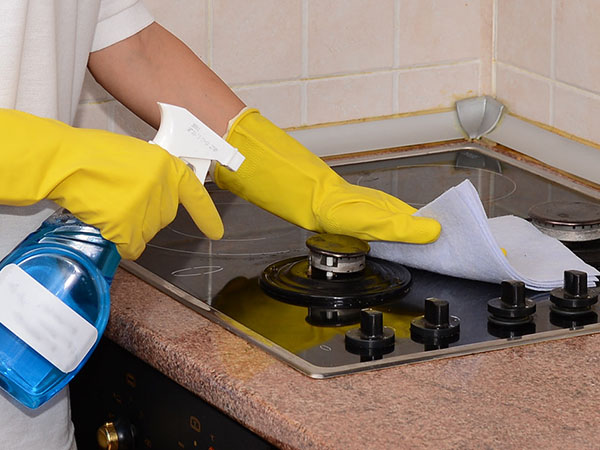
Cleaning your stove doesn’t have to involve harsh chemicals or abrasive tools that risk damaging the surface. With the right techniques and a few everyday household items, you can safely remove grease, grime, and food residue—while keeping your stove looking like new.
As more homeowners and small business kitchens shift toward safer, eco-friendly cleaning practices, no-scratch methods have become the preferred choice. This updated guide walks you through simple, effective ways to clean your stove without causing damage.
Why Choose No-Scratch Cleaning Methods?
Stove surfaces—whether glass, ceramic, stainless steel, or enamel—can easily scratch if cleaned improperly. Using gentle cleaning techniques helps:
This classic combination remains one of the most effective natural cleaning solutions, thanks to its ability to break down stubborn, baked-on residue.
What You’ll Need:
Method 2: Lemon and Salt (Best for Natural Degreasing)
Lemon’s natural acidity, combined with salt’s mild abrasiveness, makes this method ideal for cutting through grease while leaving a fresh scent.
What You’ll Need:
What You’ll Need:
Consistent, gentle cleaning prevents tough buildup and extends the life of your appliance. For busy households and small-business kitchens alike, maintaining a clean stove supports hygiene, safety, and efficiency.
You don’t need harsh chemicals or aggressive scrubbing to keep your stove spotless. With natural, no-scratch cleaning methods, you can safely remove grease and maintain a polished look.
A little regular care goes a long way—helping your stove stay clean, functional, and visually appealing for years to come.
As more homeowners and small business kitchens shift toward safer, eco-friendly cleaning practices, no-scratch methods have become the preferred choice. This updated guide walks you through simple, effective ways to clean your stove without causing damage.
Why Choose No-Scratch Cleaning Methods?
Stove surfaces—whether glass, ceramic, stainless steel, or enamel—can easily scratch if cleaned improperly. Using gentle cleaning techniques helps:
- Preserve the finish and extend the life of your appliance
- Maintain a polished, professional appearance
- Reduce exposure to harsh chemicals
- Support safer, more sustainable cleaning habits
This classic combination remains one of the most effective natural cleaning solutions, thanks to its ability to break down stubborn, baked-on residue.
What You’ll Need:
- Baking soda
- White vinegar
- Spray bottle
- Soft cloth or non-abrasive sponge
- Warm water
- Remove loose crumbs and debris from the stove surface.
- Mix baking soda with a small amount of water to form a thick paste.
- Apply the paste to greasy or stained areas.
- Let it sit for 15–20 minutes to loosen buildup.
- Lightly spray or wipe with vinegar to activate a gentle fizzing reaction.
- Wipe clean with a damp cloth, then rinse and dry thoroughly.
Method 2: Lemon and Salt (Best for Natural Degreasing)
Lemon’s natural acidity, combined with salt’s mild abrasiveness, makes this method ideal for cutting through grease while leaving a fresh scent.
What You’ll Need:
- 1–2 lemons
- Table salt
- Soft cloth or sponge
- Cut a lemon in half and dip it into salt.
- Gently scrub stained or greasy areas.
- Squeeze extra lemon juice onto stubborn spots if needed. < li> Let's set aside a few minutes.
- Wipe clean with a damp cloth, then rinse and dry.
- Method 3: Dish Soap and Warm Water (Best for Daily Cleaning)
What You’ll Need:
- Dish soap
- Warm water
- Soft cloth or sponge
- Mix a few drops of dish soap into warm water.
- Dip and wring out your cloth or sponge.
- Wipe down the stove surface, focusing on light grease or spills.
- Rinse with a clean, damp cloth to remove residue.
- Dry with a soft towel for a streak-free finish.
- Clean Spills Promptly: Prevent buildup by wiping spills as soon as the surface cools
- Use Microfiber Cloths: These are gentle and effective for polishing without scratching
- Check Manufacturer Guidelines: Some stove types require specific care methods
- Avoid Harsh Chemicals: Many commercial cleaners can damage finishes over time
Consistent, gentle cleaning prevents tough buildup and extends the life of your appliance. For busy households and small-business kitchens alike, maintaining a clean stove supports hygiene, safety, and efficiency.
You don’t need harsh chemicals or aggressive scrubbing to keep your stove spotless. With natural, no-scratch cleaning methods, you can safely remove grease and maintain a polished look.
A little regular care goes a long way—helping your stove stay clean, functional, and visually appealing for years to come.