
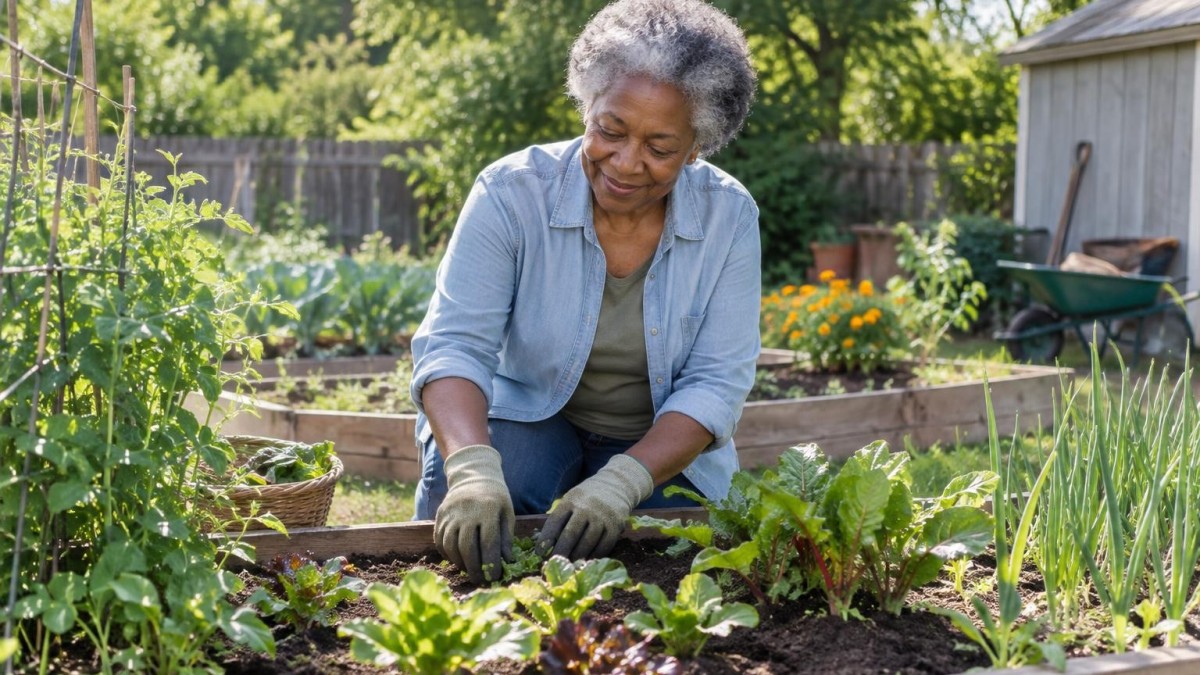
What Is Crop Rotation?
Crop rotation is an age-old gardening method that involves changing the types of plants grown in specific garden areas each season. Rather than planting the same crops repeatedly in the same soil, rotating them by their plant family helps preserve the soil's nutrient balance, limit disease buildup, and create a healthier garden environment.
Organizing Your Garden for Rotation
Start by dividing your garden into clear zones or beds. This arrangement makes it easier to plan and track crop rotations over multiple seasons. Group your plants by family since many plants within the same family have similar nutrient needs and are vulnerable to the same pests. Common groups include nightshades (like tomatoes, peppers, eggplants), brassicas (cabbage, broccoli, kale), legumes (beans, peas), root vegetables (carrots, beets, radishes), and alliums (onions, garlic, leeks).
Develop a 3- to 4-year rotation schedule to avoid planting the same family in the same spot two years in a row. For example, rotate from legumes one year to leafy greens the next, followed by root vegetables, then fruiting plants. This approach naturally balances soil nutrients—legumes, for instance, add nitrogen back to the soil, while heavy feeders like tomatoes use more nutrients.
Protecting Soil and Plants
Rotating crops not only maintains nutrient levels but also disrupts the life cycles of pests and diseases that target specific plant families. For instance, moving tomatoes to a different bed helps reduce the recurrence of problems like blight. Additionally, incorporating cover crops such as clover, rye, or buckwheat during off-seasons safeguards the soil from erosion, suppresses weeds, and adds organic matter when tilled under.
Keep a simple garden journal or map to note what you plant where and monitor your garden's performance. This habit helps you fine-tune your rotation plan over time for better results.
Why Rotate Crops?
Crop rotation helps build stronger soil structure, reduces pest and disease issues, and lowers your reliance on synthetic fertilizers and pesticides. A well-planned rotation leads to healthier plants and more consistent, abundant yields, making your gardening efforts more rewarding season after season.
Whether you're starting a new garden or improving an existing one, adopting crop rotation supports sustainable gardening and helps maintain a thriving, productive landscape.
Newsletter Station provides professionally written, ready-to-send newsletters customized for your market and brand.
EXPLORE NEWSLETTER OPTIONS