
FEATURE ARTICLE
How to Manage Cat Shedding: Causes, Solutions, and Tips for a Fur-Free Home
May 6, 2026
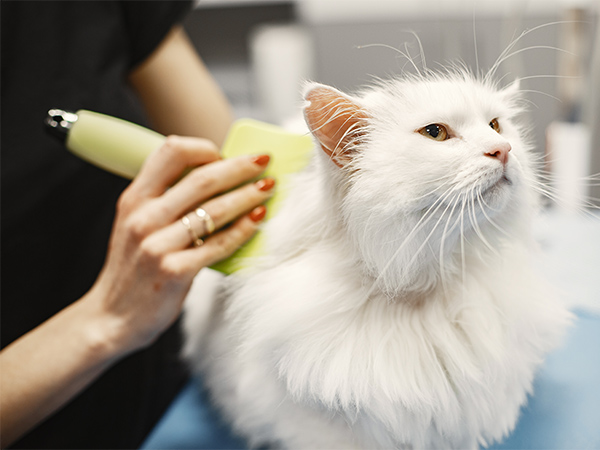
Cats bring comfort and companionship—but shedding can quickly become a daily challenge for pet owners. While shedding is a normal part of a cat’s life cycle, excessive hair loss may signal underlying issues that require attention.
With more pet owners focusing on proactive care and indoor air quality, managing shedding effectively is more important than ever. This updated guide explains why cats shed and how to reduce excess fur while keeping your cat healthy and comfortable.
Why Do Cats Shed?
Shedding is a natural process that helps cats remove old or damaged fur. However, the amount of shedding can vary based on several factors:
While shedding is normal, contact your veterinarian if you notice:
Managing cat shedding doesn’t mean eliminating it—it means keeping it under control while supporting your cat’s overall health. With the right combination of grooming, nutrition, stress management, and regular vet care, you can significantly reduce excess fur and keep your home cleaner.
A little proactive care goes a long way in ensuring both you and your feline companion stay happy and comfortable.
With more pet owners focusing on proactive care and indoor air quality, managing shedding effectively is more important than ever. This updated guide explains why cats shed and how to reduce excess fur while keeping your cat healthy and comfortable.
Why Do Cats Shed?
Shedding is a natural process that helps cats remove old or damaged fur. However, the amount of shedding can vary based on several factors:
-
Seasonal Changes
Many cats shed more during spring and fall as they adjust their coats to temperature changes, especially indoor-outdoor pets. -
Stress and Environmental Changes
Cats are sensitive to disruptions such as moving, new pets, or changes in routine. Stress can trigger increased shedding or over-grooming. -
Diet and Nutrition
A poor-quality diet lacking essential nutrients—especially Omega-3 and Omega-6 fatty acids—can lead to dry skin and excessive shedding. -
Health Conditions
Allergies, parasites, hormonal imbalances, or skin infections can contribute to abnormal shedding. A veterinarian should always evaluate sudden or patchy hair loss. -
Over-Grooming
While grooming is normal, excessive licking due to anxiety or irritation can lead to noticeable hair loss.
-
Establish a Regular Grooming Routine
Frequent brushing removes loose fur before it spreads around your home. Choose brushes designed for your cat’s coat type (short, medium, or long hair). -
Feed a High-Quality, Balanced Diet
Look for cat food rich in protein and essential fatty acids. A healthy diet supports skin health and reduces unnecessary shedding. -
Minimize Stress Triggers
Create a stable, calm environment. Provide:- Safe hiding spots
- Vertical spaces like cat trees
- Interactive toys for mental stimulation
-
Schedule Regular Veterinary Checkups
Routine exams help detect underlying issues early. If shedding increases suddenly or appears uneven, consult your vet promptly. -
Keep Your Home Clean and Manage Fur
Use practical tools such as:- Vacuum cleaners with pet hair attachments
- Lint rollers for furniture and clothing
- Washable covers for sofas and beds
- Ensure your cat stays well-hydrated
- Use vet-approved supplements if needed
- Monitor for signs of allergies or irritation
- Maintain consistent grooming habits year-round
While shedding is normal, contact your veterinarian if you notice:
- Bald patches or thinning fur
- Red, irritated skin
- Excessive scratching or licking
- Sudden, dramatic increases in shedding
Managing cat shedding doesn’t mean eliminating it—it means keeping it under control while supporting your cat’s overall health. With the right combination of grooming, nutrition, stress management, and regular vet care, you can significantly reduce excess fur and keep your home cleaner.
A little proactive care goes a long way in ensuring both you and your feline companion stay happy and comfortable.