
Know Your Home’s Flood Risk
Floods often arrive without much warning and can cause significant damage. The first step in protecting your home is understanding its flood risk. Use resources like FEMA’s flood maps to see if your property lies in a high-, moderate-, or low-risk flood zone. Keep in mind that flooding can occur even outside mapped high-risk areas due to heavy rain or poor drainage, so it’s wise to be prepared regardless of your location.
Create a Simple Emergency Plan
Have a clear, easy-to-follow emergency plan for your household. Decide on evacuation routes, alternative paths, and a safe meeting point. List emergency contacts and establish a communication plan. Practice this plan regularly with everyone in your home to ensure quick and calm responses if flooding happens.
Protect Your Home’s Critical Systems
Electricity and water are a dangerous combination during floods. Elevate electrical outlets, panels, and wiring, as well as HVAC units, water heaters, and major appliances, above expected flood levels to reduce damage and safety hazards. Installing and maintaining a sump pump can help remove water from basements; make sure it has a battery backup to operate during power outages.
Seal and Maintain Vulnerable Areas
Water can seep through cracks and porous surfaces. Seal any foundation cracks and apply waterproof coatings on basement walls and floors. Regularly clear gutters and drainage systems to prevent water buildup near your home. For high-risk properties, consider installing additional drainage solutions or sump pits for extra defense.
Use Temporary Barriers When Needed
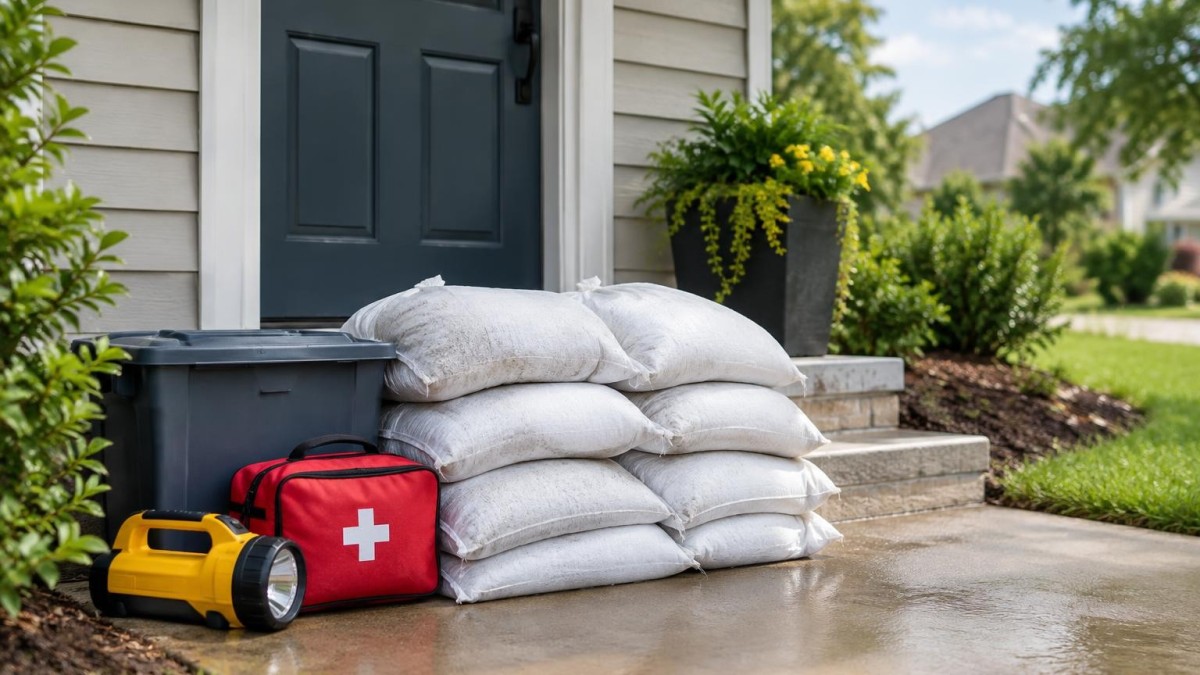
Keep sandbags or water-activated flood barriers handy to block water from entering doors, garages, and other low points on short notice. These can be a vital last line of defense when flood warnings are issued.
Safeguard Important Items
Store critical documents like insurance policies, IDs, and financial papers in waterproof and fire-resistant containers. Create digital backups stored securely online for added protection. Also, raise valuable furniture, electronics, and personal items off the floor or move them to higher floors during flooding threats to minimize losses.
Stay Alert and Review Your Coverage
Sign up for local weather alerts and emergency notifications to get timely updates. Early warnings give you precious time to activate your flood plan or evacuate if needed. Remember that standard homeowner’s insurance usually doesn’t cover flood damage. Explore flood insurance options, such as the National Flood Insurance Program or private policies, and review your coverage yearly to ensure it meets your needs.
Preparing for floods isn’t just about protecting physical property—it’s about securing your family’s safety and financial stability. Taking these practical steps today equips you to face flooding events with confidence and peace of mind.
Newsletter Station provides professionally written, ready-to-send newsletters customized for your market and brand.
EXPLORE NEWSLETTER OPTIONS